Same-Day Appointments Available!




Bringing a rescue cat home is an exciting experience, but it can also come with a period of adjustment. A new cat may need time to feel safe, understand the household routine, and build trust with their new family. During this transition, dental care may not seem like an immediate priority. However, establishing healthy habits early can make oral hygiene much easier over time.
Many rescue cats have unknown medical histories, and some may not have received consistent dental attention before adoption. Therefore, it is helpful to approach oral care patiently rather than expecting a cat to accept toothbrushing immediately. A calm routine can gradually turn an unfamiliar experience into a manageable part of daily life.
Start by allowing your cat to settle into the home before introducing new handling exercises. Give them access to quiet spaces, familiar bedding, food, water, and hiding areas. As trust develops, you can slowly introduce gentle handling around the face and mouth.
For newly adopted cats, pet dental care works best when owners focus on patience, positive reinforcement, and consistency. Instead of forcing the mouth open or immediately using a toothbrush, begin with simple interactions that help your cat associate mouth handling with something safe and rewarding.
Begin With Trust
Trust should come before toothbrushing. Sit near your cat without attempting to handle them and allow them to approach at their own pace. Use a calm voice and reward relaxed behavior with praise or a small, cat-appropriate treat.
Once your cat becomes comfortable with your presence, gently touch areas around the head and cheeks. Keep these sessions brief and stop before your cat becomes stressed.
If your cat walks away, hides, hisses, or repeatedly pulls away, give them space. Respecting these signals helps prevent dental care from becoming associated with fear.
Introduce Mouth Handling Gradually
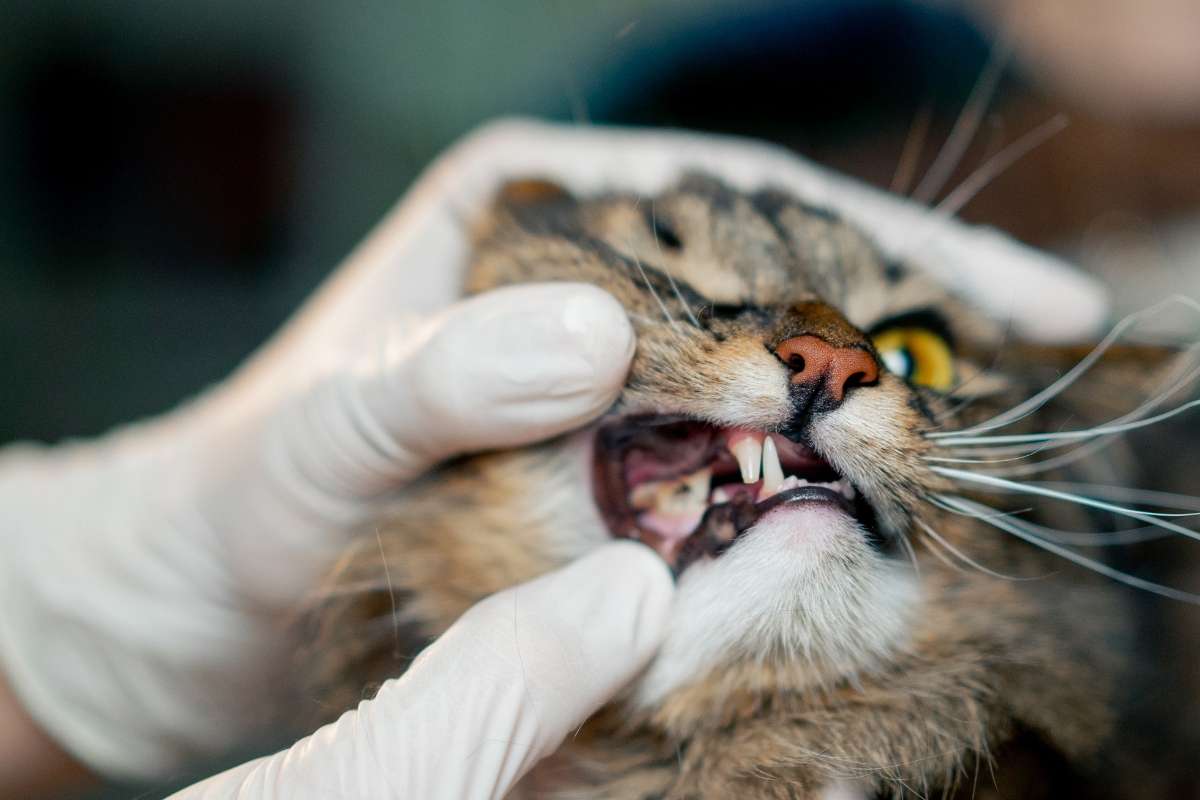
After your cat accepts gentle facial handling, begin lifting the lip for only a second or two. You do not need to open the mouth widely at first.
Reward calm behavior immediately. Over several sessions, gradually increase the amount of time you spend examining the teeth and gums.
Next, introduce a clean finger or soft gauze around the outside of the teeth. Once your cat accepts this step, you can gradually introduce a cat-specific toothbrush and veterinary-approved toothpaste.
Never use human toothpaste because some ingredients can be unsafe for cats.
Keep Brushing Sessions Short
Cats generally respond better to short, predictable sessions than lengthy attempts. Focus on the outer surfaces of the teeth, especially along the gumline, where plaque commonly accumulates.
You do not need to brush aggressively. Gentle movements are preferable, particularly when your cat is still learning to accept the process.
Try to establish a consistent schedule. Daily brushing can provide strong plaque control, but even a regular routine several times per week can be more realistic for some households.
Use Positive Reinforcement
Positive reinforcement can make dental training much easier. Offer a reward immediately after each successful step, even if the session lasts only a few seconds.
For example, reward your cat for allowing a lip lift one day and for accepting a toothbrush near the mouth on another day. Progress may seem slow, but small improvements can create lasting habits.
Avoid punishment or physical restraint unless specifically instructed by a veterinary professional. A frightened cat may become more resistant during future sessions.
Watch for Signs of Dental Problems
Home brushing supports oral hygiene, but it does not replace professional dental evaluation. Newly adopted cats may have existing dental problems that are difficult to identify at home.
Watch for bad breath, red or swollen gums, drooling, difficulty chewing, dropping food, reduced appetite, pawing at the mouth, loose teeth, or changes in eating behavior.
Cats can also hide signs of discomfort. Consequently, subtle changes may deserve attention even when your cat appears otherwise healthy.
Consider a Professional Dental Evaluation
A veterinary examination can help determine whether your rescue cat already has plaque buildup, gingivitis, periodontal disease, damaged teeth, or other oral concerns.
A professional assessment also provides an opportunity to create an appropriate home-care routine based on your cat’s age, temperament, and oral health. Dwight Veterinary Clinic can help you understand your cat’s dental needs and determine practical ways to maintain healthier teeth and gums.
If your cat has significant dental disease, professional treatment may be necessary before home brushing becomes comfortable. Attempting to brush painful teeth can increase fear and make future handling more difficult.
Make Dental Care Part of the Routine
Consistency matters more than perfection. Choose a calm time of day when your cat is naturally relaxed. Keep dental supplies nearby, use the same location, and follow the same basic steps each time.
As your cat becomes more comfortable, gradually increase brushing time. Continue rewarding cooperation, particularly during the early stages.
You can also discuss other oral-care products with your veterinarian. Dental diets, treats, water additives, and other products may provide additional support, but they should complement rather than replace appropriate brushing and professional care.
Dental care does not have to become a stressful experience for a newly adopted rescue cat. By building trust first, introducing handling gradually, using cat-safe products, and rewarding cooperation, owners can establish a routine that supports long-term oral health.
Schedule your appointment with Dwight Veterinary Clinic to discuss your newly adopted cat’s dental health and create an appropriate home-care plan.
Frequently Asked Questions
Q1. When should I start dental care after adopting a rescue cat?
Ans: Give your cat time to settle into the new environment, then begin gentle handling exercises when they appear comfortable. A veterinary dental evaluation can help determine the best starting point.
Q2. How can I get my rescue cat used to a toothbrush?
Ans: Introduce the toothbrush gradually. First allow your cat to see and smell it, then touch it gently to the mouth before attempting brief brushing sessions.
Q3. Can I use human toothpaste for my cat?
Ans: No. Use toothpaste specifically formulated for cats and recommended by a veterinary professional. Human toothpaste may contain ingredients that are inappropriate or unsafe for cats.
Q4. How often should I brush my cat’s teeth?
Ans: Daily brushing is ideal for plaque control when a cat tolerates it. However, a veterinarian can help establish a realistic schedule based on your cat’s oral health and temperament.
Q5. What are signs that my rescue cat has dental problems?
Ans: Bad breath, red gums, drooling, difficulty eating, pawing at the mouth, loose teeth, or changes in appetite can indicate an oral health problem and should be evaluated.
Q6. What if my cat refuses toothbrushing?
Ans: Do not force the process. Return to an easier step, such as touching the cheeks or lifting the lip briefly, and reward calm behavior. Gradual training can improve acceptance over time.