We Will Be Closed Saturday, Oct 17 (no DVM coverage), as well as Saturdays Oct 31 & Nov 14.


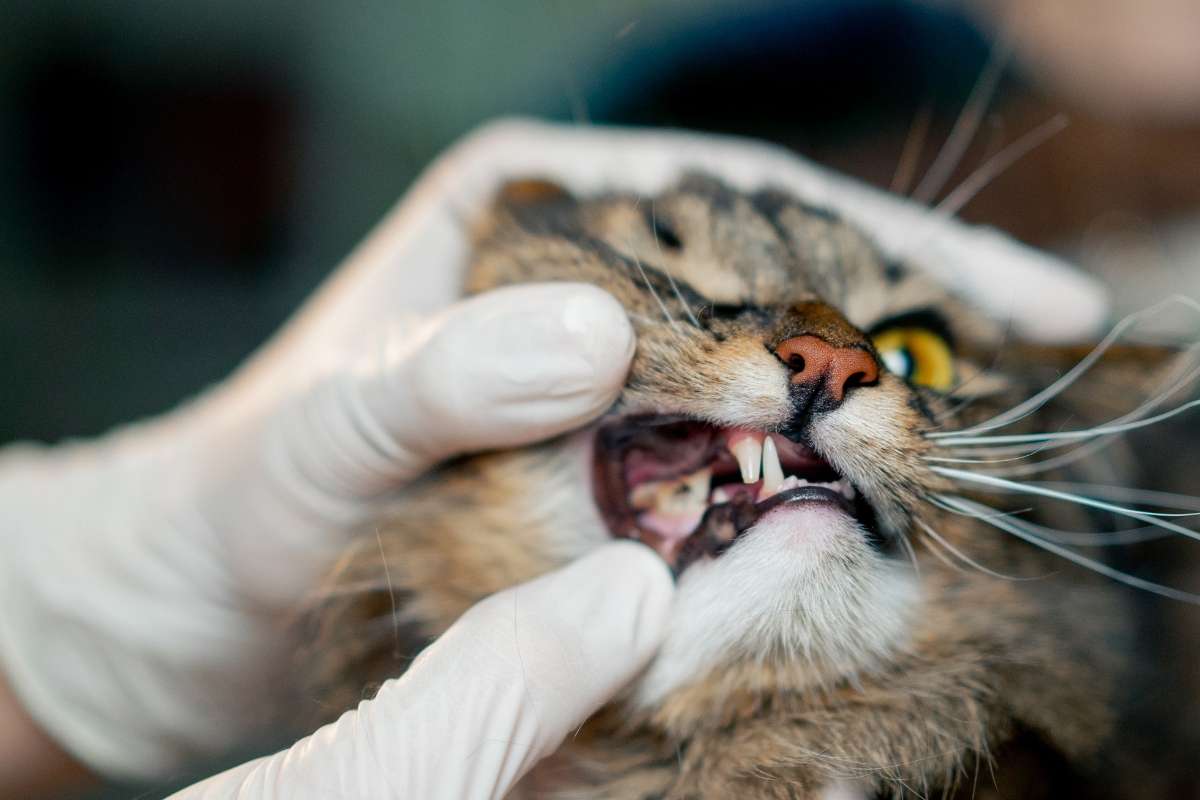
Many pet owners focus on nutrition, exercise, and routine vaccinations, but dental health is often overlooked. Yet oral health plays a critical role in your pet’s overall well-being. Poor dental hygiene can lead to pain, tooth loss, infections, and even health issues affecting the heart, liver, and kidneys.
If you’ve ever wondered, “How often does your pet need a dental cleaning?” you’re not alone. The answer varies based on your pet’s age, breed, lifestyle, and current dental condition. Understanding your pet’s dental needs can help prevent serious problems and keep them comfortable for years to come.
In this guide, we’ll explain how often professional dental cleanings are recommended, signs your pet may need one sooner, and practical ways to support healthy teeth and gums at home.
Why Dental Cleanings Matter for Pets
Just like humans, pets develop plaque and tartar on their teeth. Without regular cleaning, bacteria can accumulate below the gumline and cause periodontal disease.
Professional dental cleanings help:
- Remove plaque and tartar buildup
- Prevent gum disease
- Reduce bad breath
- Detect oral health issues early
- Protect overall health and quality of life
Routine dental care is one of the most effective ways to help your pet avoid unnecessary discomfort and costly treatments later.
How Often Does Your Pet Need a Dental Cleaning?
Most veterinarians recommend a professional dental cleaning every 1 to 2 years for healthy adult pets. However, some pets may require more frequent cleanings.
Factors that influence cleaning frequency include:
- Breed and genetics
- Age
- Existing dental disease
- Diet
- Home dental care routine
Small dog breeds, such as Yorkshire Terriers, Chihuahuas, and Dachshunds, are particularly prone to dental issues and may benefit from annual cleanings. Cats can also develop dental disease and should receive regular oral examinations.
The best way to determine the ideal schedule is through routine veterinary dental assessments.
Signs Your Pet May Need a Dental Cleaning Sooner
Waiting until obvious symptoms appear can allow dental disease to progress. Watch for these common warning signs:
- Persistent bad breath
- Yellow or brown tartar buildup
- Red, swollen, or bleeding gums
- Difficulty chewing
- Dropping food while eating
- Excessive drooling
- Pawing at the mouth
- Loose or missing teeth
If you notice any of these symptoms, schedule a veterinary examination promptly. Early intervention often prevents more extensive treatment.
What Happens During a Professional Dental Cleaning?
Many pet owners feel anxious about dental procedures, especially when anesthesia is involved. However, professional cleanings are carefully monitored and provide the most thorough evaluation of your pet’s oral health.
A typical dental cleaning includes:
- Comprehensive oral examination
- Dental X-rays when needed
- Plaque and tartar removal
- Cleaning below the gumline
- Tooth polishing
- Assessment for damaged or infected teeth
These procedures help identify hidden problems that cannot be seen during a simple visual examination.
How to Support Your Pet’s Oral Health at Home
Professional cleanings are important, but daily habits make a significant difference.
Consider incorporating these practices:
Brush Your Pet’s Teeth
Regular brushing remains the gold standard for pet dental care. Use a pet-safe toothbrush and toothpaste specifically formulated for animals.
Offer Dental Chews
Veterinarian-approved dental chews can help reduce plaque buildup between cleanings.
Choose Dental-Friendly Diets
Some diets are specifically designed to support oral health by reducing tartar accumulation.
Use Dental Water Additives
Certain products can help control bacteria and freshen breath when added to drinking water.
Consistency is key when establishing a pet dental care routine.
Which Pets Are at Higher Risk for Dental Disease?
Some pets are naturally more susceptible to oral health problems.
Higher-risk groups include:
- Small and toy dog breeds
- Senior pets
- Flat-faced breeds
- Pets with crowded teeth
- Animals with previous dental disease
These pets often benefit from more frequent veterinary dental evaluations and customized preventive plans.
The Importance of Routine Veterinary Checkups
Dental disease often develops gradually and may go unnoticed until it becomes painful. During wellness visits, your veterinarian can identify early signs of oral problems before they become severe.
Routine exams help:
- Monitor gum health
- Evaluate tooth condition
- Recommend cleaning schedules
- Detect underlying health concerns
Preventive care is always easier, safer, and less expensive than treating advanced disease.
Keeping your pet’s mouth healthy is an essential part of responsible pet ownership. While many pets benefit from professional dental cleanings every one to two years, individual needs vary based on age, breed, and overall oral health. By combining regular veterinary checkups with good home dental habits, you can help your companion enjoy a healthier and more comfortable life.
If you’re unsure whether your pet is due for a dental cleaning, don’t wait for symptoms to worsen. Talk with your nearest veterinarian, take proactive steps to protect your pet’s smile, and schedule an appointment with Dwight Veterinary Clinic.
Frequently Asked Questions
Q1. At what age should my pet start receiving dental examinations?
Ans. Pets should begin receiving dental evaluations during their first year of life as part of routine wellness care.
Q2. Can bad breath be a sign of dental disease?
Ans. Yes. Persistent bad breath is often one of the earliest indicators of plaque buildup, gum disease, or oral infection.
Q3. Are dental cleanings safe for senior pets?
Ans. In most cases, yes. Veterinarians perform pre-anesthetic evaluations and monitoring to help ensure safety for older pets.
Q4. Do cats need dental cleanings as often as dogs?
Ans. Cats can develop significant dental disease and often require professional cleanings based on their individual oral health status.
Q5. Can dental treats replace brushing?
Ans. No. Dental treats can help reduce plaque but should complement – not replace – regular brushing and veterinary care.
Q6. How can I tell if my pet is experiencing dental pain?
Ans. Signs may include reduced appetite, difficulty chewing, drooling, irritability, or reluctance to have the face or mouth touched.