We Will Be Closed Saturday, Oct 17 (no DVM coverage), as well as Saturdays Oct 31 & Nov 14.


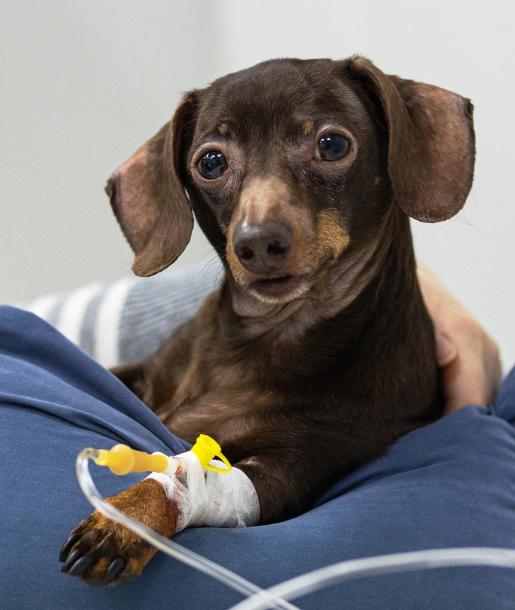
In-Clinic Emergencies – Please Call First
At our Dwight, IL veterinary clinic, we recognize that urgent situations can arise unexpectedly. That’s why we’re here to provide urgent veterinary care services during business hours when we have availability, (please call us at 815-584-2732 to confirm availability for an appointment). Our priority is to safeguard the health and well-being of your cherished pets precisely when they need it.
We accept pet emergencies on a case-by-case basis, and by appointment only. Please call us at 815-584-2732 to confirm availability for an appointment. If we cannot see your pet, we will refer you to an emergency pet hospital. Please see the “Emergency Care Hospital” list below.
Emergency Care Hospitals
If your pet has an emergeny, please get in touch with one of the following 24-hour emergency hospitals:
VCA Aurora
2600 W. Galena Blvd.
Aurora, IL 60506
630-301-6100
Animal Emergency of Mokena
19110 88th Ave.
Mokena, IL 60448
708-326-4800
Animal Emergency Clinic of McLean County/Bloomington
118 Greenwood Ave.
Bloomington, IL 61704
309-828-7722
University of Illinois/Champaign-Urbana
1008 W Hazelwood Dr.
Urbana, IL 61802
217-333-5300
Animal Care Center of Plainfield
13813 S Route 59
Plainfield, IL, 60544
815-436-8387
Poison Control
If you have a concern regarding accidental ingestion of food, medication, plants or any other toxin, please call the ASPCA Poison Control Hotline at 888-426-4435 or visit: www.aspca.org/pet-care/animal-poison-control.The ASPCA is your best resource for any animal poison-related emergency and are available 24 hours a day, 365 days a year.
You may also contact the Pet Poison Hotline* at 855-886-7965.
* A consultation fee may apply.
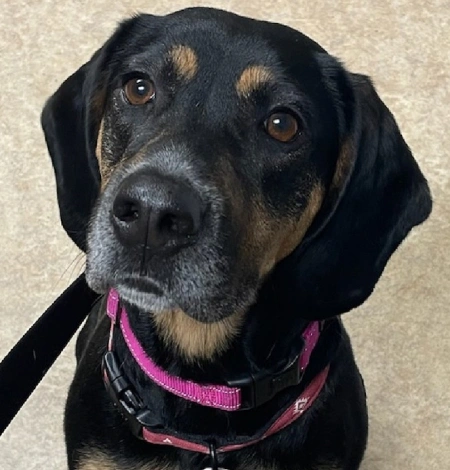
Knowing When Your Pet Needs Help Fast
A pet emergency is any situation that requires immediate medical attention for your pet. This can include accidents, injuries, sudden illness, or any other life-threatening situation. Some common examples of pet emergencies include:
- Difficulty breathing
- Severe bleeding
- Ingestion of toxic substances
- Seizures
- Unconsciousness
- Difficulty urinating or defecating
- Injuries from a car accident or fall
- Difficulty giving birth
- Severe vomiting or diarrhea
- Inability to walk or stand
If you notice any of these symptoms or any other concerning behavior in your pet, it’s important to seek emergency pet care immediately.
What to Do in Case of a Pet Emergency
Below are the essential steps to take if you are in an emergency.
1. Stay Calm and Assess the Situation
When faced with a pet emergency, it’s crucial to remain calm. Your pet can pick up on your anxiety, which may exacerbate their stress levels. Quickly assess your pet’s condition – are they bleeding, choking, having difficulty breathing, or experiencing trauma? Your observations will be vital information for the vet.
2. Know Your Emergency Contacts
Always have the contact details of your local emergency pet hospital on hand. Keep these contacts in an easily accessible place, such as on your refrigerator door, your pet first aid kit, or saved in your phone.
3. First Aid Measures
While rushing to the vet, there may be some first aid measures you can take. For example, if your pet is bleeding, apply pressure to the wound with a clean cloth. If they are choking, try to gently remove the obstruction if it’s visible and safe to do so. However, avoid any interventions you’re unsure about to prevent further injury.
4. Be Prepared with a Pet First Aid Kit
Having a pet first aid kit can be invaluable in an emergency. The kit should include items like gauze, non-stick bandages, adhesive tape, scissors, a digital thermometer, and saline solution. Being equipped can make a significant difference while you seek professional help.
5. Transportation to an Emergency Clinic
Safely transporting your pet to an emergency clinic is critical. If your pet is severely injured, use a makeshift stretcher (like a board or blanket) to move them. Minimize your pet’s movement to prevent additional trauma.
6. Knowing the Way
Before an emergency arises, know the route to your nearest emergency pet hospital. This can save precious minutes when every second counts.
7. Follow-Up Care
After the immediate emergency is dealt with, follow-up care care is essential. Ensure you understand the vet’s instructions and administer any prescribed medications. Keep a close eye on your pet’s recovery and don’t hesitate to reach out to the vet if you notice anything concerning.
By following these steps, you can act swiftly and efficiently in a pet emergency. Remember, preparation and knowledge are key components in handling these situations and can lead to a better outcome for your beloved pet.
Essential Items for Your Pet's First Aid Kit
Your pet’s first aid kit should be stocked with essential items to handle minor injuries and to stabilize your pet until you can get professional help.
- Phone numbers: Your vet’s number, the nearest emergency pet hospital, and the poison control center (see Poison Control section above).
- Gauze, non-stick bandages, and adhesive tape: For wrapping wounds or muzzling an injured pet.
- Digital thermometer: To check your pet’s temperature.
- Antiseptic wipes and hydrogen peroxide: For cleaning small wounds.
- Tweezers: To remove splinters or ticks.
- Scissors with blunt ends: For cutting bandages or fur.
- Disposable gloves: To protect both you and your pet.
- A pet carrier: For safe transportation.
Using CareCredit for Emergency Pet Care
Emergency pet care can be expensive, and it’s not always easy to come up with the funds on short notice. That’s where CareCredit comes in. At Dwight Veterinary Clinic, we accept CareCredit®, a healthcare credit card that can be used to cover the costs of emergency pet care. It offers special financing options and low monthly payments, making it easier to manage the cost of your pet’s emergency care.