We Will Be Closed Saturday, Oct 17 (no DVM coverage), as well as Saturdays Oct 31 & Nov 14.


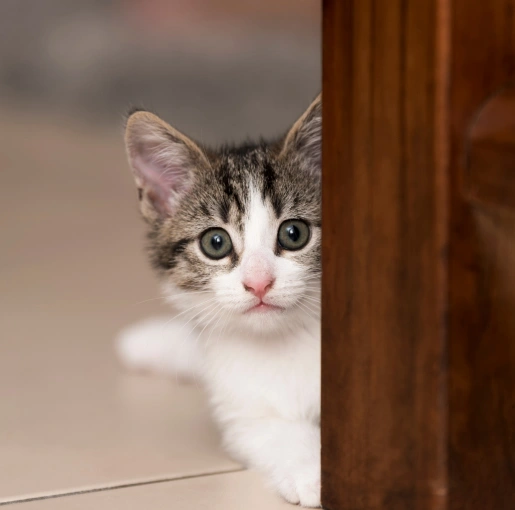
Essential Care for Puppies and Kittens
Welcoming a new puppy or kitten into your home is an exciting and rewarding experience. However, it also comes with a lot of responsibility. As a pet owner, you must provide the best care for your furry friend. Below will discuss some essential tips for puppy care and kitten care to ensure your new pet stays happy and healthy, and how our Dwight, IL veterinary team is here to help!
Pet Exams
Pet exams are crucial for the overall health and well-being of your new pet. These exams allow us to assess your puppy or kitten’s overall health, identify any potential health issues, and provide necessary vaccinations. It is recommended to schedule a physical examination for your new pet within the first few weeks of bringing them home, and from there we will determine how many rechecks are necessary for vaccinations, boosters, and health checks.
During a physical examination, we will check your pet’s eyes, ears, nose, mouth, and teeth for any signs of infection or abnormalities. We will also listen to their heart and lungs, check their skin and coat, and feel their abdomen for any lumps or abnormalities. This thorough examination allows us to catch any potential health issues early on and provide necessary treatment.
Pet Vaccinations
Pet vaccinations are crucial for the health and well-being of your new puppy or kitten. They protect against potentially deadly diseases and help to build a strong immune system. Puppies and kittens are particularly vulnerable to diseases as their immune systems are still developing. Without proper vaccinations, they are at risk of contracting serious illnesses that can be difficult and expensive to treat.
The specific diseases that your puppy or kitten will need to be vaccinated against will depend on their age, lifestyle, and location. However, there are some core vaccinations that are recommended for all puppies and kittens.
For puppies, the core vaccinations include:
- Distemper
- ParvovirusAdenovirus
- Parainfluenza
- Rabies
Neutering: surgical removal of the testicles
- Decreases aggressive behaviors
- Avoids issues such as testicular cancer and an enlarged prostate, which can be fatal and uncomfortable
- Decreases the urge to roam
- Encourages longevity
- Better companion for you and your family
Your puppy or kitten may also need non-core vaccinations. Non-core pet vaccinations are those that are not considered essential for all pets but may be recommended for certain pets based on their lifestyle, environment, or risk factors. These vaccinations are not required by law, but they can provide additional protection against diseases that your pet may encounter. At your puppy or kitten visit, we will discuss these vaccines and determine which are appropriate for your pet.
Puppy & Kitten Vaccine Schedule
The recommended vaccine schedule for puppies and kittens is based on their age and the type of vaccine being administered. It is important to follow this schedule to ensure that your pet is fully protected against diseases.
Kitten Vaccine Schedule
The following is a general guideline for the recommended kitten vaccine schedule:
- 6-8 weeks: Feline herpesvirus, feline calicivirus, and feline panleukopenia
- 10-12 weeks: Feline herpesvirus, feline calicivirus, and feline panleukopenia
- 14-16 weeks: Feline herpesvirus, feline calicivirus, feline panleukopenia, and rabies
- 12-16 months: Feline herpesvirus, feline calicivirus, feline panleukopenia, and rabies (booster)
Puppy Vaccine Schedule
The following is a general guideline for the recommended puppy vaccine schedule:
- 6-8 weeks: Distemper, parvovirus, adenovirus, and parainfluenza
- 10-12 weeks: Distemper, parvovirus, adenovirus, parainfluenza, and leptospirosis
- 14-16 weeks: Distemper, parvovirus, adenovirus, parainfluenza, leptospirosis, and rabies
- 12-16 months: Distemper, parvovirus, adenovirus, parainfluenza, leptospirosis and rabies (booster)
Dwight Vaccine Clinic
We know it can be hard to find time to get your pet in for updated vaccines. We offer vaccine clinics at select times during the year to help ensure your pet stays up-to-date! View our 2024 schedule here!

Veterinary Diagnostics
Puppies and kittens are particularly vulnerable to diseases and infections due to their underdeveloped immune systems. Veterinary diagnostics testing can help identify any underlying health issues that may not be apparent through a physical examination. It also allows for early detection of diseases that can be easily treated if caught early on.
Parasite Risks in Puppies & Kittens
Parasites are a common health concern for puppies and kittens. These tiny organisms can cause a range of health issues, from mild discomfort to severe illness. Some of the most common parasites that can affect puppies and kittens include:
- Roundworms: These are the most common intestinal parasites in puppies and kittens. They can cause diarrhea, vomiting, and a pot-bellied appearance in young animals.
- Hookworms: These parasites can cause anemia, weight loss, and diarrhea in puppies and kittens.
- Fleas: Fleas are not only a nuisance but can also transmit tapeworms and cause skin irritation and allergies in puppies and kittens.
- Ticks: Ticks can transmit diseases such as Lyme disease and Rocky Mountain spotted fever to puppies and kittens.
- Ear mites: These tiny parasites can cause ear infections and discomfort in puppies and kittens.
- Giardia: This parasite can cause diarrhea, vomiting, and weight loss in puppies and kittens.
- Coccidia: Coccidia is a common parasite that can cause diarrhea and dehydration in puppies and kittens.
Diagnostic testing for parasites typically involves a fecal exam, where a sample of your pet’s stool is examined under a microscope for the presence of parasites. This test is usually recommended for all puppies and kittens, as they are more susceptible to parasites due to their underdeveloped immune systems.
The Importance of Testing for Heartworm
Heartworm is a potentially fatal disease that can affect both puppies and kittens. It is caused by a parasitic worm that is transmitted through mosquito bites. Heartworms can grow up to a foot long and live in the heart, lungs, and blood vessels of infected animals.
Symptoms of heartworm in puppies and kittens may not be apparent until the disease has progressed. Some common signs to watch out for include:
- Coughing
- Difficulty breathing
- Lethargy
- Weight loss
- Poor appetite
- Vomiting
- Diarrhea
- Swollen abdomen
Testing for heartworm involves a simple blood test that can be done in our office. It is recommended that all puppies and kittens be tested for heartworm at 7 months of age. If your pet is found to have heartworm, your veterinarian will discuss treatment options, which may include medication to kill the worms and prevent further infection.
The Importance of Testing for FIV and FeLV
FIV (Feline Immunodeficiency Virus) and FeLV (Feline Leukemia Virus) are two of the most common infectious diseases in cats. These viruses can weaken your cat’s immune system, making them more susceptible to other infections and diseases.
Symptoms of FIV and FeLV in kittens may not be apparent until the disease has progressed. Some common signs to watch out for include:
- Lethargy
- Weight loss
- Poor appetite
- Vomiting
- Diarrhea
- Swollen lymph nodes
- Pale gums
- Difficulty breathing
- Seizures
Testing for FIV and FeLV involves a simple blood test that can be done in our office. It is recommended that all kittens be tested for these viruses at their first veterinary visit. If your kitten is found to have FIV or FeLV, we will discuss treatment options, which may include medication to manage symptoms and prevent further infection.
Spay and Neuter Procedure
Spay and neuter is a minor and safe procedure that benefits both you and your pet. At Dwight Veterinary Clinic, we believe each animal is an individual deserving of a unique, clinical decision. We consider factors such as age, size, breed, and lifestyle.
This surgical procedure promotes a longer and healthier life. Meanwhile, you will experience far less challenges associated with natural sexual instinct, unwanted pregnancy, and heat periods. The veterinarians at Dwight Veterinary Clinic are experts in spay-neuter procedure and ensure a safe and comfortable procedure from beginning to end.
Spaying: surgical removal of the ovaries and uterus
- Prevents unwanted pregnancies
- Eliminates messy, problematic bleeding and heat cycles
- Decreases the urge to roam
- Eliminates mammary problems and uterine complications such as cancer,
- pyometra, and infection.
- Decreases aggressive behaviors
- Spaying lessens mood changes
- Better companion for you and your family
Neutering: surgical removal of the testicles
- Decreases aggressive behaviors
- Avoids issues such as testicular cancer and an enlarged prostate, which can be fatal and uncomfortable
- Decreases the urge to roam
- Encourages longevity
- Better companion for you and your family
Microchipping
Accidents happen. If you and your companion are ever separated, microchips provide lifelong identification. Therefore, if your pet is found, you have a greater chance of being reunited! While collars and ID tags are strongly recommended, they are not foolproof. These forms of identification commonly fall off, get lost, or are removed. For the safety of your pet, we recommend using both forms of identification.
This process is fast, painless, inexpensive – and invaluable! The microchip is implanted between the shoulder blades, much like a vaccination. This process is so simple it is often performed at the same time as vaccinations or a procedure.