We Will Be Closed Saturday, Oct 17 (no DVM coverage), as well as Saturdays Oct 31 & Nov 14.



Caring for Pets Before They Get Sick
As pet owners, we want to ensure that our pets are healthy and happy. Our Dwight, IL veterinary team can help you accomplish this through preventative care for pets including pet exams, pet vaccinations, microchipping, & more!
What is Preventative Care for Pets?
Preventative care refers to the proactive measures taken to keep your pet healthy and prevent any potential health issues. This includes regular check-ups, pet vaccinations, parasite control, microchipping, and maintaining a healthy diet and exercise routine. By practicing preventative care, we can catch any potential health problems early on and ensure that your pet is living their best life.
The Importance of Wellness Exams
Wellness exams are a crucial part of preventative care for pets. These exams are typically done once a year (twice a year for seniors) and involve a thorough physical examination of your pet. During the exam, we will check your pet’s weight, heart rate, breathing, and overall health. We may also recommend additional diagnostic tests or screenings based on your pet’s age and breed.
Catching Health Issues Early On
One of the main reasons why wellness exams are important is that we can help catch any potential health issues early on. Just like humans, pets can develop health problems that may not be immediately noticeable. By having regular wellness exams, we can detect any issues before they become more serious and harder to treat. This can save you and your pet from unnecessary stress and expenses in the long run.
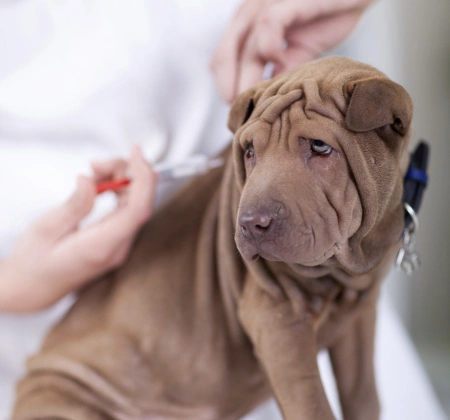
Pet Vaccinations
Pet vaccinations are crucial for protecting your pet from infectious diseases. These diseases can be caused by viruses, bacteria, or other organisms and can be easily spread from one animal to another. Without proper vaccinations, your pet is at risk of contracting these diseases, which can lead to serious illness or even death.
Easy Vaccine Clinics for Your Pet
We know it can be hard to find time to get your pet in for updated vaccines. We offer vaccine clinics at select times during the year to help ensure your pet stays up-to-date! View our 2024 schedule here!
What Vaccinations Does My Pet Need?
The vaccinations your pet needs will depend on their age, lifestyle, overall health, and risk of exposure to certain diseases. Some vaccinations are considered core vaccinations, while others are considered non-core and only necessary for pets with specific risk factors. We will help you determine which vaccines are necessary for your pet.
What Are Core Pet Vaccinations?
Core pet vaccinations are those that are considered essential for all pets, regardless of their lifestyle or environment. These vaccinations protect against highly contagious and potentially fatal diseases that can be easily transmitted to other animals or even humans. Some core vaccinations are required by law and are recommended for all pets, regardless of their age, breed, or health status.
Common Core Vaccinations for Dogs:
- Rabies
- Distemper
- Parvovirus
- Adenovirus
- Parainfluenza
- Leptospirosis
- Bordetella (kennel cough)
Common Core Vaccinations for Cats:
- Rabies
- Feline herpesvirus
- Calicivirus
- Panleukopenia
What Are Non-Core Pet Vaccinations?
Non-core pet vaccinations are those that are recommended based on your pet’s lifestyle, environment, and risk of exposure to certain diseases. These vaccinations are not considered essential for all pets, but they may be necessary for some. Non-core vaccinations are given based on the recommendation of a veterinarian.
Common Non-Core Vaccinations for Dogs:
- Canine influenza
- Lyme disease
Common Non-Core Vaccinations for Cats:
- Feline leukemia
Recommended Vaccination Schedule
The recommended vaccination schedule for pets varies depending on the type of animal, their age, and their lifestyle. We will help determine the best schedule for your pet. However, here is a general guideline for when to vaccinate your pet.
Puppies and Kittens
Puppies and kittens should receive their first round of vaccinations at 6-8 weeks of age. This is when they are most vulnerable to diseases and need the protection of vaccinations. They will then need booster shots every 3-4 weeks until they are 16 weeks old.
Adult Pets
After the initial round of vaccinations, adult pets will need booster shots every 6 months to 3 years, depending on the type of vaccine. We will determine the best schedule for your pet based on their lifestyle and risk factors.
Senior Pets
As pets age, their immune systems may weaken, making them more susceptible to diseases. It is essential to continue vaccinating senior pets to ensure they are protected. We may recommend more frequent vaccinations for senior pets.
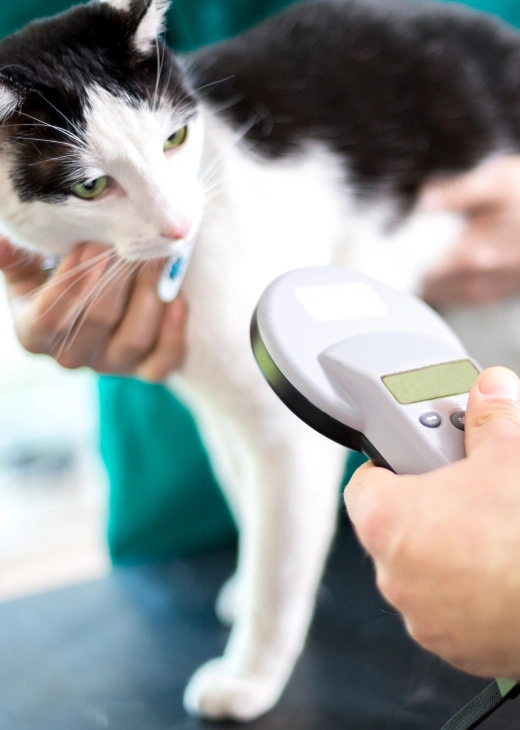
Microchipping
A microchip is a small, electronic chip about the size of a grain of rice that is implanted under your pet’s skin, typically between the shoulder blades. This chip contains a unique identification number that can be scanned by a microchip reader. This number is linked to your contact information in a database, making it easier for you to be reunited with your pet if they ever get lost.
The Pros of Microchipping
- Permanent Identification: Unlike traditional pet identification tags, which can fall off or become unreadable over time, a microchip is a permanent form of identification. As long as you keep your contact information up to date in the database, your pet can be identified no matter where they are found.
- Quick and Painless Procedure: The microchipping procedure is quick and relatively painless for your pet. It is like getting a routine vaccination and can be done during a regular vet visit. The chip is inserted using a needle, and your pet may experience some mild discomfort, but it is over quickly.
- Increased Chance of Being Reunited with Your Pet: According to the American Veterinary Medical Association, microchipped pets are more than twice as likely to be returned to their owners than those without a microchip. This is because shelters and veterinary clinics routinely scan lost pets for microchips and can quickly contact the owner.
Nutrition and Weight Management in Pets
A balance and nutritious diet is essential for the overall health an well-being of our pets. Just like humans, pets require a variety of nutrition to maintain their health and prevent disease. A lack of proper nutrition can lead to a weakened immune system, digestive issues, and even skin and coat problems. It is important to choose a high-quality pet food that is specifically formulated for your pet’s age, breed, and health needs.
Obesity in pets can lead to a variety of health problems, including joint pain, diabetes, and heart disease. It is important to monitor your pet’s weight and adjust their diet and exercise routine if necessary. Portion control is also crucial when it comes to managing your pet’s weight. It is important to follow the recommended serving size on the pet food packaging and to avoid overfeeding your pet.
Parasite Control
Why Is Testing and Prevention Important
Parasites can cause a range of health issues in pets, from mild discomfort to serious illness. Some common parasites found in pets include fleas, ticks, heartworms, and intestinal worms. These parasites can cause skin irritation, anemia, weight loss, and even death in severe cases. By regularly testing and preventing parasites, you can protect your pet from these harmful organisms and ensure their overall health and well-being.
Prevention of Disease
Parasites can transmit diseases to your pet, which can lead to serious health issues. For example, ticks can transmit Lyme disease, which can cause joint pain, fever, and fatigue in pets. By preventing parasites, you can also prevent the spread of these diseases and keep your pet healthy.
Protecting Your Family
Some parasites can also affect humans, especially young children, and those with weakened immune systems. By regularly testing and preventing parasites in your pet, you are also protecting your family from potential health risks.
How Can I Test for Parasites in My Pet?
There are several ways to test for parasites in your pet, including fecal exams, blood tests, and skin scrapings. We will recommend the best testing method based on your pet’s age, health, and lifestyle.
How Can I Prevent Parasites in My Pet?
Preventing parasites in your pet is an important part of their overall health care. Here are some ways you can prevent parasites in your pet:
- Regular veterinary check-ups
- Parasite prevention medications
- Keep your pet’s environment clean
- Avoid contact with stray animals