Same-Day Appointments Available!




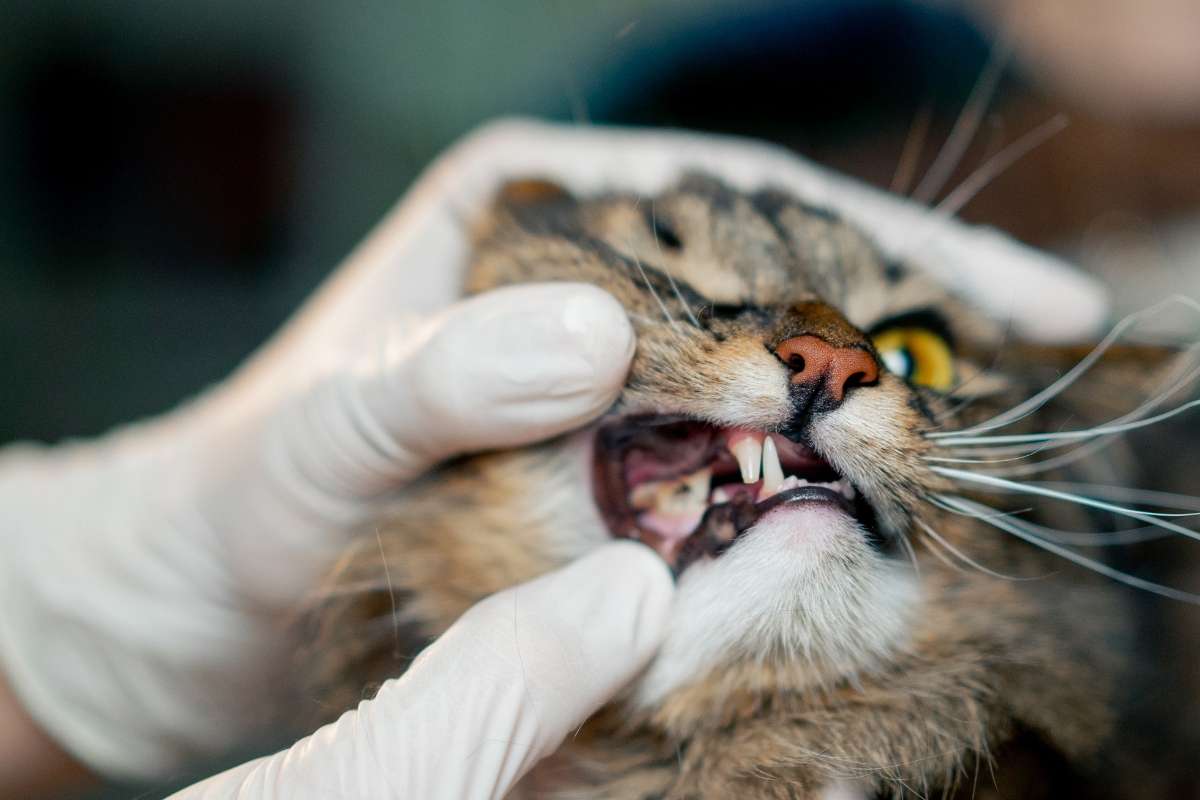
Dental health is a vital part of your pet’s overall wellness. Dogs and cats can develop plaque, tartar, and gum disease just like humans, which may lead to serious health problems if untreated. Using the right toothpaste designed specifically for pets is essential to maintaining a healthy, happy smile.
In this guide, we’ll review the best toothpastes for dogs and cats, explain why human toothpaste is dangerous for pets, and provide expert tips to make brushing a simple, stress-free routine. If you live in Dwight, IL, and want guidance on pet dental care, Dwight Veterinary Clinic is here to help.
Why You Should Use Pet-Safe Toothpaste
Human Toothpaste Is Not Safe for Pets
Human toothpaste contains fluoride and xylitol, which can be toxic to dogs and cats. Pet-safe toothpaste is formulated to be safe if swallowed and comes in flavors pets enjoy, such as poultry, beef, or vanilla.
Benefits of Regular Brushing
- Reduces plaque and tartar buildup
- Prevents bad breath
- Lowers the risk of gum disease and tooth loss
- Supports overall health by reducing bacteria that can affect the heart and kidneys
Top Toothpastes for Dogs and Cats
1. Virbac C.E.T. Enzymatic Pet Toothpaste
- Type: Dog and cat-safe
- Flavor: Poultry or vanilla
- Benefits: Clinically proven to reduce plaque and tartar; safe if swallowed.
- Why we recommend: Trusted by veterinarians for its effectiveness and safety.
2. Sentry Petrodex Enzymatic Dog Toothpaste
- Type: Dog toothpaste
- Flavor: Poultry
- Benefits: Enzymatic formula fights plaque and gingivitis; vet-recommended.
- Why we recommend: Affordable and widely used in veterinary practices.
3. Vet’s Best Enzymatic Dog Toothpaste
- Type: Dog toothpaste
- Flavor: Natural poultry flavor
- Benefits: Uses natural ingredients like aloe, neem oil, and enzymes to clean teeth.
- Why we recommend: Ideal for owners preferring a natural alternative.
4. Petsmile Professional Dog Toothpaste
- Type: Dog toothpaste approved by the American Veterinary Dental College (AVDC)
- Flavor: Poultry
- Benefits: Fluoride-free, safe if swallowed, reduces plaque and tartar.
- Why we recommend: AVDC-approved and highly trusted by veterinary professionals.
5. Vet’s Best Enzymatic Cat Toothpaste
- Type: Cat toothpaste
- Flavor: Seafood or poultry
- Benefits: Gentle, effective, and safe for cats; reduces tartar buildup.
- Why we recommend: Specifically formulated for cats, who are often sensitive to brushing.
Tips for Brushing Your Pet’s Teeth
- Start Slowly – Let your pet taste the toothpaste first and get used to the toothbrush.
- Use Pet-Friendly Toothbrushes – Soft-bristled brushes or finger brushes make brushing easier.
- Brush at a 45-degree Angle – Use gentle circular motions along the gum line.
- Keep Sessions Short – 2–3 minutes is enough; consistency is more important than duration.
- Reward and Praise – Treats or affection after brushing create positive associations.
If you live in Dwight, IL, and are looking for expert guidance for your pet’s dental care near you, then you can trust Dwight Veterinary Clinic to provide professional services that keep your furry friend’s teeth healthy, bright, and strong.
FAQs
1. Can I use human toothpaste for my dog or cat?
No. Human toothpaste contains fluoride and xylitol, which are toxic to pets. Always use pet-safe toothpaste.
2. How often should I brush my pet’s teeth?
Daily brushing is ideal. If that’s not possible, aim for 2–3 times per week.
3. Are dental chews enough to maintain my pet’s teeth?
Dental chews help, but cannot replace brushing. Brushing remains the most effective method.
4. What if my pet hates brushing?
Start gradually, use flavored toothpaste, and try finger brushes. Reward your pet to build positive associations.
5. When should I schedule a professional dental cleaning?
Most pets benefit from annual dental checkups. Some may require more frequent professional cleaning depending on their oral health.
6. Can dental issues affect my pet’s overall health?
Yes. Untreated dental problems can contribute to heart, kidney, and liver issues. Regular brushing and checkups are crucial.