We Will Be Closed Saturday, Oct 17 (no DVM coverage), as well as Saturdays Oct 31 & Nov 14.


Caring for a cat after surgery requires patience, attention, and proper guidance. Cat Tumor Removal Surgery is often performed to remove abnormal growths and improve a cat’s overall health and comfort. While the procedure itself is an important step, the recovery period afterward plays a critical role in ensuring your cat heals properly.
At Dwight Veterinary Clinic, we understand that pet owners may feel concerned about how their cat will recover after surgery. Every cat heals differently depending on the size of the tumor, the surgical procedure performed, and the pet’s overall health. Providing a calm environment, monitoring healing progress, and following veterinary instructions carefully can help support a smooth recovery.
Understanding what to expect in the days and weeks following surgery can help pet owners feel more prepared and confident while caring for their pets. Below is a week-by-week overview of what recovery may look like after Cat Tumor Removal Surgery, especially for pet owners in Dwight, IL.
Week 1: Immediate Post-Surgery Care
The first week after surgery is typically focused on rest and careful monitoring. Your cat may still feel tired from anesthesia and may have limited energy.
During this stage, pet owners should:
- Keep their cat in a quiet, comfortable area
- Limit jumping, running, and climbing
- Monitor the surgical incision daily
- Administer medications as prescribed by the veterinarian
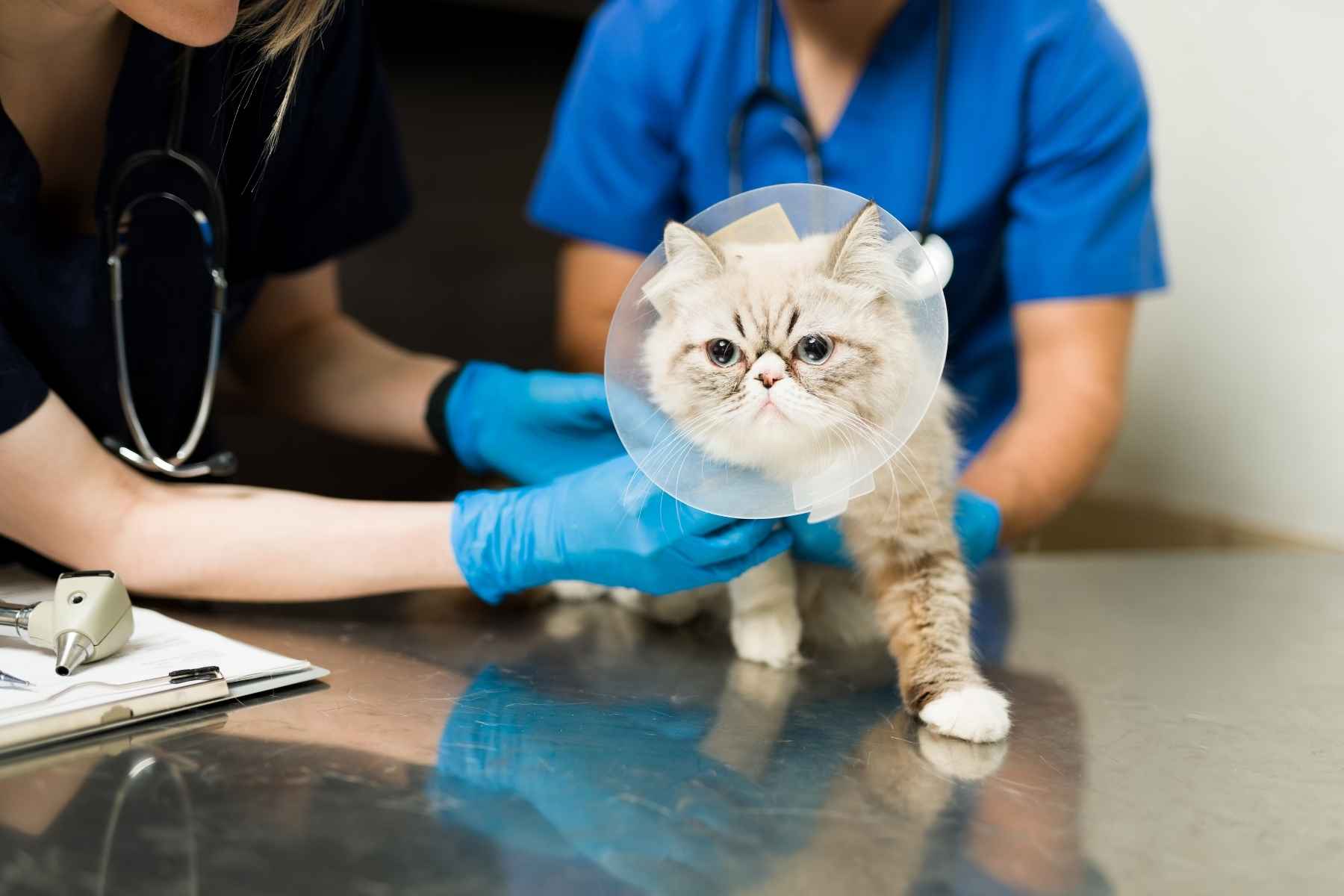
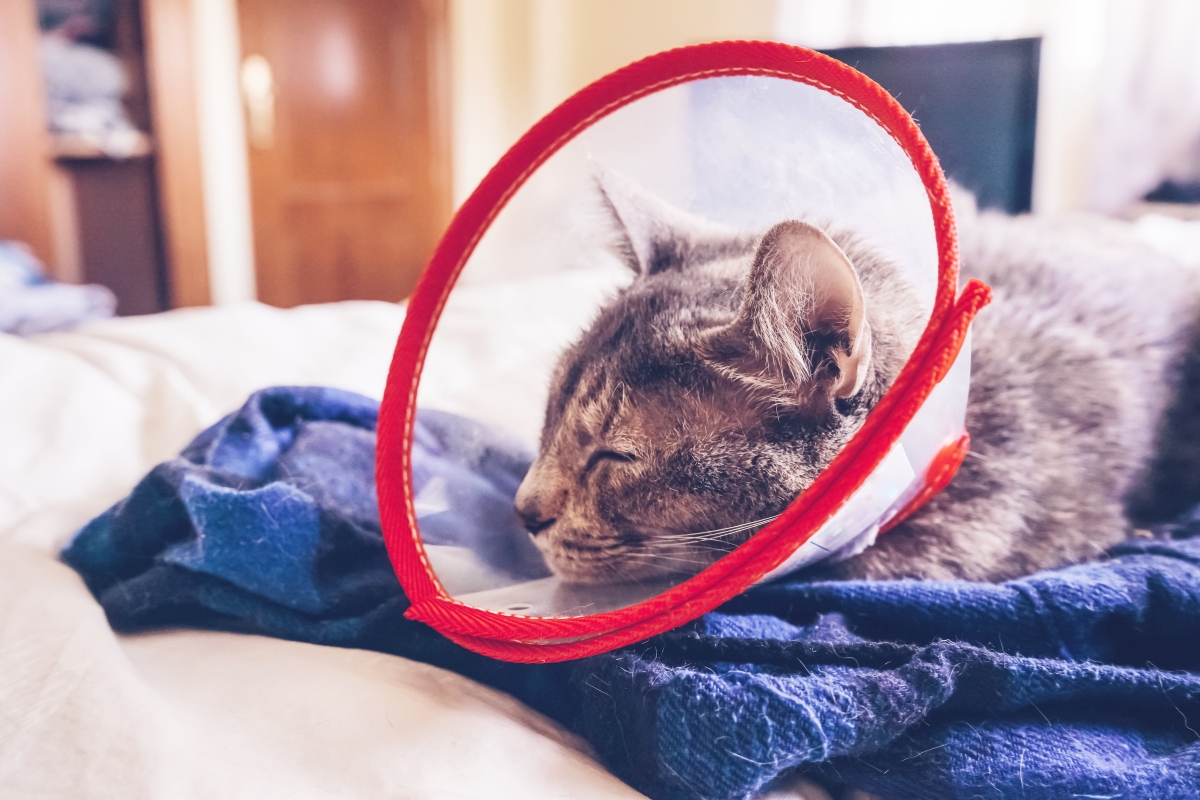
An Elizabethan collar (cone) may be recommended to prevent your cat from licking or scratching the incision site.
It is also normal for cats to have a reduced appetite or mild swelling near the surgical area during the first few days. However, severe swelling, bleeding, or unusual behavior should be reported to your veterinarian.
Week 2: Early Healing and Follow-Up
By the second week, many cats begin to show signs of improvement. Energy levels may slowly return, and the incision site should begin healing.
Pet owners should continue to:
- Restrict intense physical activity
- Keep the surgical area clean and dry
- Observe for redness, discharge, or irritation
In many cases, follow-up appointments occur around this time to evaluate healing progress. Veterinary teams may remove sutures or confirm that the incision is healing properly.
Follow-up visits are an important part of veterinary surgery recovery, as they allow professionals to ensure your pet’s healing process is on track.
Week 3: Gradual Return to Normal Behavior
During the third week, many cats begin returning to their usual behaviors. Appetite and energy levels often improve as the body continues healing.
At this stage:
- Light activity may be gradually reintroduced
- Your cat may begin grooming normally again
- Incision sites should appear less swollen and more healed
However, it is still important to monitor your cat’s behavior and avoid allowing excessive physical activity until your veterinarian confirms full recovery.
Week 4: Continued Healing and Monitoring
By the fourth week, most cats have made significant progress in their recovery. The surgical site typically looks fully closed, and your cat may appear comfortable and active.
Veterinarians may recommend gradually returning your pet to normal routines during this time.
Pet owners should continue to watch for:
- Changes in appetite
- Lumps or swelling near the surgical area
- Changes in behavior or energy levels
Even after successful veterinary surgery, ongoing observation is important for long-term health.
Long-Term Care After Tumor Removal
Recovery does not end once the surgical incision has healed. Long-term monitoring is often recommended to ensure there are no signs of tumor recurrence or other health concerns.
Regular veterinary checkups, proper nutrition, and maintaining a healthy lifestyle can support your cat’s overall well-being after surgery.
Supporting Your Cat’s Recovery
Recovery after cat tumor removal surgery requires careful attention, patience, and collaboration with veterinary professionals. By providing a calm environment, following post-operative instructions, and monitoring your cat’s progress week by week, pet owners can help ensure their pets recover comfortably and safely.
If you notice any unusual symptoms or have concerns during the recovery process, it is always best to consult a veterinary professional.
For pet owners in Dwight, IL, working with an experienced veterinary team can provide reassurance and support during every stage of your cat’s healing journey.
If you have questions about your cat’s recovery or post-surgical care, you may consider scheduling your appointment at Dwight Veterinary Clinic for guidance and professional evaluation.
FAQs:
Q1. How long does it take for a cat to recover after tumor removal surgery?
Ans. Recovery times vary, but many cats begin feeling better within two to four weeks, depending on the complexity of the surgery.
Q2. Is it normal for my cat to sleep more after surgery?
Ans. Yes. Cats often sleep more while their bodies recover from anesthesia and surgery.
Q3. How can I prevent my cat from licking the incision?
Ans. Veterinarians often recommend an Elizabethan collar or recovery suit to prevent licking or scratching.
Q4. When should I contact my veterinarian after surgery?
Ans. Contact your veterinarian if you notice swelling, bleeding, discharge, loss of appetite, or unusual behavior.
Q5. Can tumors return after removal?
Ans. In some cases, tumors may recur. Regular veterinary checkups help monitor your cat’s long-term health.
Q6. When can my cat return to normal activity?
Ans. Your veterinarian will provide guidance, but most cats gradually return to normal activity within several weeks.