We Will Be Closed Saturday, Oct 17 (no DVM coverage), as well as Saturdays Oct 31 & Nov 14.


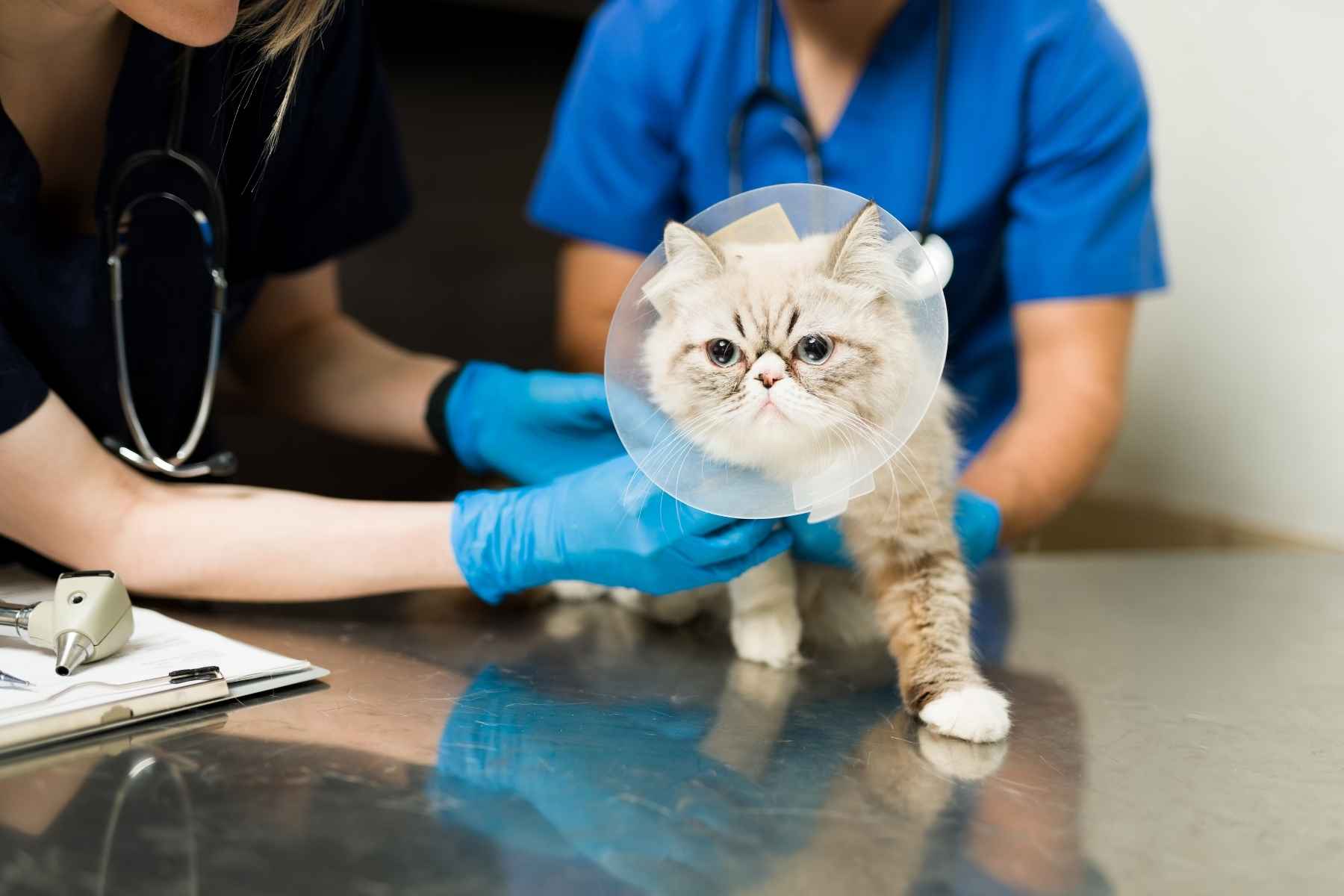
Recovering from surgery can be stressful for both pets and their owners. One of the biggest challenges during the healing process is preventing pets from licking, scratching, or chewing at their surgical incision. While licking is a natural instinct, excessive contact with the wound can delay healing and increase the risk of infection or complications.
At Dwight Veterinary Clinic, pet owners often ask which recovery tools are safest and most effective after surgery. Choosing the right anti-lick device depends on your pet’s size, personality, comfort level, and the location of the surgical site.
For pet owners in Dwight, IL, understanding the different recovery options available can help support safer healing and reduce stress during post-surgical care.
Why Anti-Lick Devices Are Important After Surgery
Dogs and cats naturally lick wounds to soothe irritation or discomfort. However, licking a surgical site can create serious complications, including:
- Reopening stitches or staples
- Introducing bacteria into the incision
- Causing swelling or bleeding
- Delaying the healing process
- Increasing the risk of infection
Even a short period without protection can allow determined pets to damage healing tissue. Using an appropriate anti-lick device helps keep the incision protected while allowing the body to recover properly.
Common Types of Anti-Lick Devices
There are several types of recovery devices available for pets after surgery. Each option has advantages depending on your pet’s needs.
Traditional Elizabethan Collar (E-Collar)
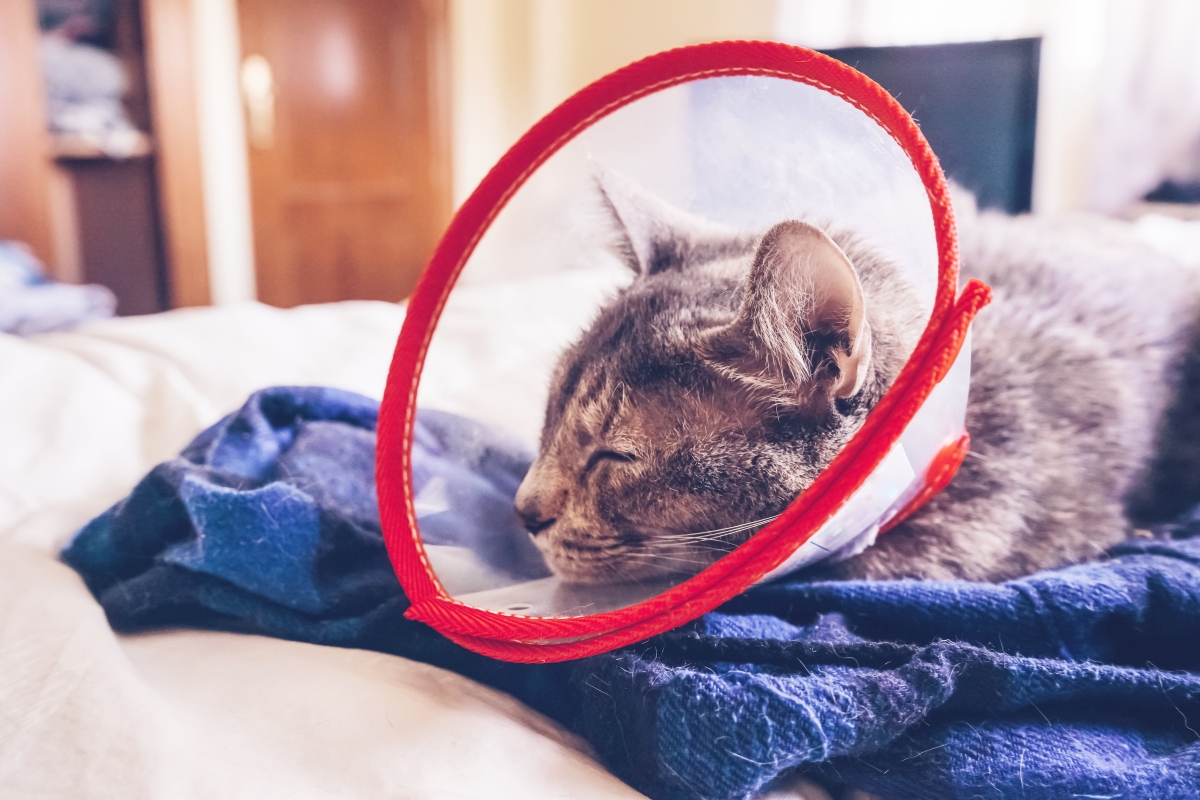
The classic plastic cone remains one of the most commonly recommended recovery tools.
Benefits
- Highly effective for preventing licking
- Durable and widely available
- Works well for many surgical locations
Drawbacks
- Can feel bulky for some pets
- May interfere with eating or drinking initially
- Some pets experience temporary anxiety
Despite the adjustment period, traditional cones often provide the most reliable protection for active or persistent pets.
Inflatable Recovery Collars
Inflatable collars resemble neck pillows and provide a softer alternative to hard plastic cones.
Benefits
- More comfortable for some pets
- Allows better visibility
- Easier for resting and sleeping
Drawbacks
- Less effective for pets with long snouts
- Some pets can still reach surgical areas
- Not suitable for every type of surgery
These collars may work best for calm pets recovering from minor procedures.
Recovery Suits and Surgical Garments
Recovery suits are soft fabric coverings designed to protect surgical sites directly.
Benefits
- Comfortable and flexible
- Reduces anxiety in some pets
- Allows easier movement around the home
Drawbacks
- Requires proper sizing
- Needs frequent washing
- Determined pets may still chew through fabric
These garments are often used after abdominal surgeries or spaying and neutering procedures.
Soft Fabric Cones
Soft cones provide a flexible option between inflatable collars and rigid plastic cones.
Benefits
- More comfortable than hard plastic cones
- Less intimidating for nervous pets
- Easier movement indoors
Drawbacks
- May fold too easily
- Less durable over time
Soft cones may work well for pets that struggle with rigid collars but still require moderate protection.
How to Choose the Right Recovery Device
Every pet responds differently during recovery. Choosing the correct anti-lick solution depends on several factors.
Consider Your Pet’s Personality
Some pets tolerate cones quickly, while others become anxious or attempt to remove them. Highly active or stubborn pets often need stronger protection, while calmer animals may do well with softer alternatives.
Evaluate the Surgical Site
The location of the incision affects which device will work best. For example:
- Paw injuries often require cones
- Abdominal surgeries may benefit from recovery suits
- Tail injuries usually need stronger protection
Your veterinarian can recommend the safest option based on the procedure performed.
Ensure Proper Fit
A poorly fitted device may not prevent licking or may cause discomfort. Pets should still be able to:
- Eat and drink comfortably
- Sleep normally
- Walk safely
- Breathe without restriction
Proper fitting is essential for effective recovery care.
Monitor Healing Closely
Even with an anti-lick device, pet owners should inspect the incision daily for:
- Redness
- Swelling
- Discharge
- Missing sutures
- Bleeding
If any concerning symptoms appear, contact your veterinarian promptly.
Helping Pets Adjust to Recovery Devices
Many pets need time to adapt to wearing protective equipment. These strategies may help:
- Offer praise and treats during use
- Rearrange furniture temporarily for easier movement
- Use shallow food and water bowls
- Supervise your pet closely during the first few days
- Keep pets calm and mentally engaged indoors
Patience and consistency are important throughout the healing process.
Why Follow-Up Care Matters
Recovery devices are only one part of post-surgical care. Pets recovering from surgery may also require:
- Medication management
- Activity restriction
- Follow-up examinations
- Incision monitoring
- Nutritional support
In some cases, veterinarians may recommend additional treatments depending on the procedure and healing progress. While recovery collars are most commonly associated with surgery, they may also be used after skin treatments or wound care to help protect healing areas and prevent irritation.
When to Contact Your Veterinarian
Schedule a veterinary visit if your pet:
- Removes the anti-lick device repeatedly
- Continues licking despite protection
- Stops eating or drinking
- Appears unusually lethargic
- Develops swelling or discharge around the incision
- Shows signs of pain or discomfort
Early intervention can help prevent complications and improve recovery outcomes.
For pet owners in Dwight, IL, understanding the benefits of proper post-surgical care can make the healing process smoother and less stressful. At Dwight Veterinary Clinic, our veterinary team provides personalized recovery guidance and recommendations based on each pet’s individual needs.
If you need guidance from a veterinarian near you about post-surgical recovery or protective devices, schedule your appointment with Dwight Veterinary Clinic. Our team can help you choose the most effective recovery solution to keep your pet comfortable, safe, and healing properly.
Frequently Asked Questions
Q1. How long should my pet wear an anti-lick device after surgery?
Ans. Most pets need to wear an anti-lick device for about 10 to 14 days, but healing times vary depending on the surgery and your veterinarian’s recommendations. Some pets recovering from orthopedic procedures or major surgeries may require longer protection.
Q2. Can my dog sleep while wearing a cone?
Ans. Yes. Most dogs adjust to sleeping with a properly fitted cone after a short period. Soft bedding and a calm environment can help pets feel more comfortable during recovery.
Q3. Are inflatable collars as effective as traditional cones?
Ans. Inflatable collars may work well for some pets, but they are not always effective for preventing access to certain surgical areas. Pets with long snouts or flexible necks may still reach the incision site.
Q4. What should I do if my pet keeps removing the recovery collar?
Ans. Contact your veterinarian if your pet repeatedly removes the device. The collar may need resizing, adjustment, or replacement with a more secure option.
Q5. Can recovery suits replace cones completely?
Ans. Recovery suits can be helpful for certain surgeries, especially abdominal procedures, but they may not fully prevent chewing or licking in all pets. Some animals still require cones for complete protection.
Q6. How can I tell if the incision is healing properly?
Ans. A healing incision should gradually become less red and swollen over time. Mild bruising may occur initially, but discharge, bleeding, foul odor, or worsening redness should be evaluated by a veterinarian promptly.