We Will Be Closed Saturday, Oct 17 (no DVM coverage), as well as Saturdays Oct 31 & Nov 14.



Seeing your beloved cat after surgery stirs deep emotions. That groggy expression and unsteady walk tug at every pet parent’s heartstrings. You want desperately to ease their discomfort and speed their healing. Understanding how to help your cat recover from surgery transforms anxiety into confident, effective caregiving.
Post-surgical care significantly impacts recovery outcomes. Your attentive support during this vulnerable period prevents complications and promotes faster healing. Whether your cat underwent routine spaying or complex orthopedic surgery, proper home care makes all the difference. This guide walks you through every essential step toward your feline’s complete recovery.
Preparing Your Home Before Bringing a Cat Home
Preparation before arrival sets the stage for smooth recovery. Create a healing sanctuary that minimizes stress and maximizes comfort.
Essential preparations include:
- Set up a quiet, confined recovery space away from household traffic
- Remove climbing opportunities and high perches temporarily
- Place food, water, and a litter box within easy reach
- Gather soft bedding that’s easily washable
- Ensure room temperature stays comfortably warm
A calm environment reduces anxiety and prevents injury during vulnerable recovery days.
The First 24 Hours After Surgery
The initial day requires the closest monitoring. Anesthesia effects linger, causing disorientation and drowsiness.
What to Expect Immediately
Your cat may display these normal post-anesthesia behaviors:
- Wobbly, uncoordinated walking
- Excessive sleepiness or lethargy
- Mild whimpering or vocalization
- Temporary loss of appetite
- Slight shivering despite warm temperatures
These symptoms typically resolve within 24 hours. However, severe symptoms warrant immediate veterinary contact.
Feeding After Surgery
Offer small amounts of water first. If your cat tolerates water without vomiting, provide a quarter portion of their regular food. Many cats refuse food initially, which is completely normal.
Avoid forcing food during this period. Appetite usually returns fully within 48 hours post-surgery.
Managing Pain and Medications
Pain management remains crucial for comfortable recovery. Cats hide pain instinctively, making observation essential.
Signs Your Cat Is in Pain
Watch for these subtle pain indicators:
- Hiding more than usual
- Reluctance to move or walk
- Decreased grooming habits
- Flattened ears or dilated pupils
- Growling when touched near the surgical site
- Loss of appetite beyond 48 hours
Never assume your cat isn’t hurting simply because they’re quiet.
Administering Medications Safely
Follow prescription instructions precisely. Never give human pain medications to cats—common drugs like ibuprofen and acetaminophen are fatally toxic to felines.
Medication tips:
- Set phone reminders for each dose
- Use pill pockets or mix with small food amounts
- Complete the entire antibiotic course even if cthe at seems recovered
- Document any adverse reactions for veterinary reporting
Consistent medication administration prevents infection and ensures adequate pain control.
Incision Care and Monitoring
The surgical incision requires daily inspection. Proper wound care prevents serious complications.
Daily Incision Checks
Examine the incision site twice daily. Healthy healing looks like:
- Slight redness immediately surrounding incision
- Minimal swelling that decreases daily
- Edges remaining closed and aligned
- No discharge or foul odor
Conveniently located in Dwight, IL, if you are searching for a “vet near me” to support your cat’s post-surgery recovery, then Dwight Veterinary Clinic is the ideal choice for your pet. Their compassionate team provides attentive follow-up care to ensure your cat heals safely and comfortably.
Warning Signs Requiring Immediate Attention
Contact your veterinarian immediately if you notice:
- Opening or separation of incision edges
- Excessive swelling or bruising
- Pus or colored discharge
- Foul smell from the wound area
- Bleeding that doesn’t stop
- Fever or extreme lethargy
Early intervention prevents minor issues from becoming emergencies.
The E-Collar: Your Cat’s Best Friend
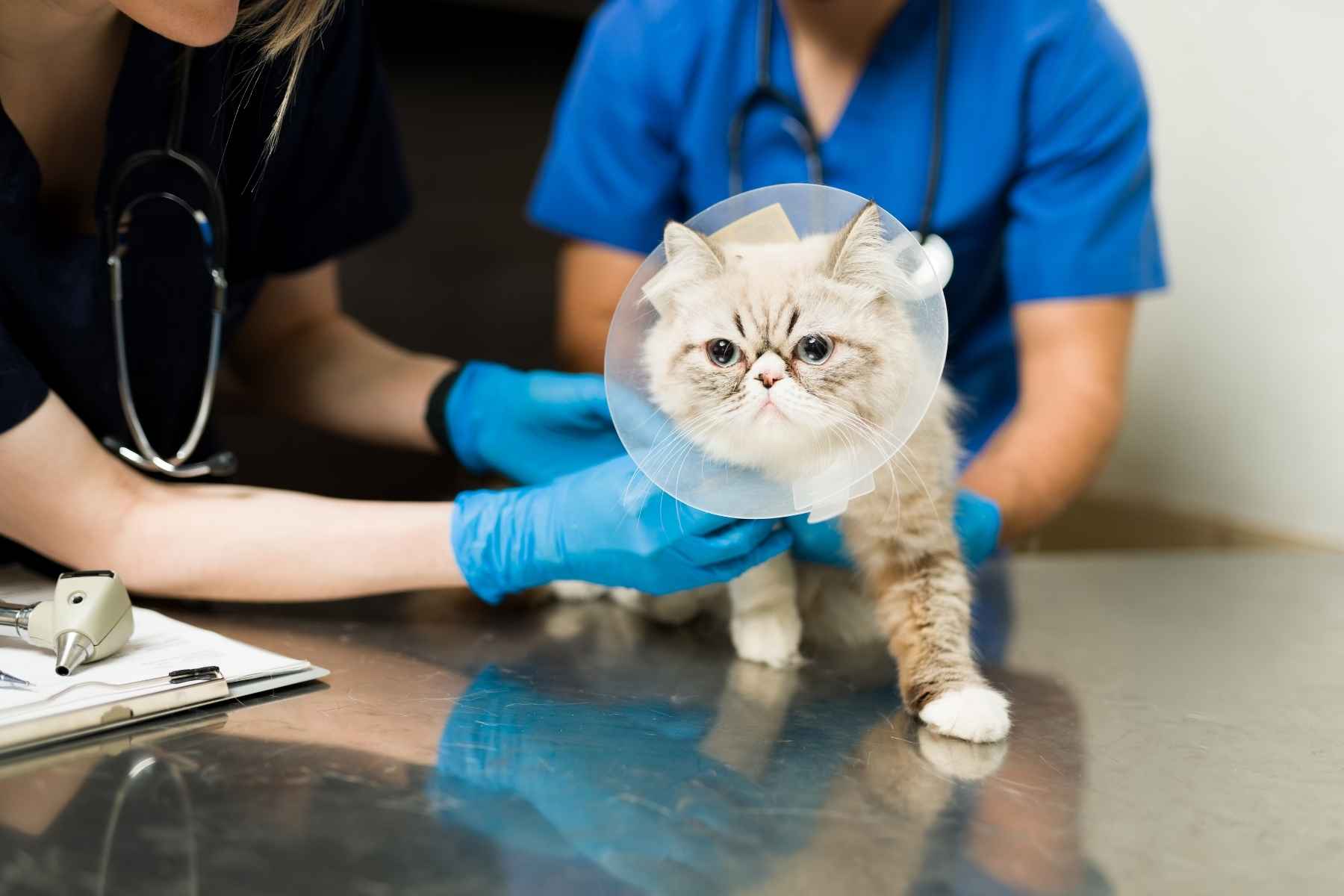
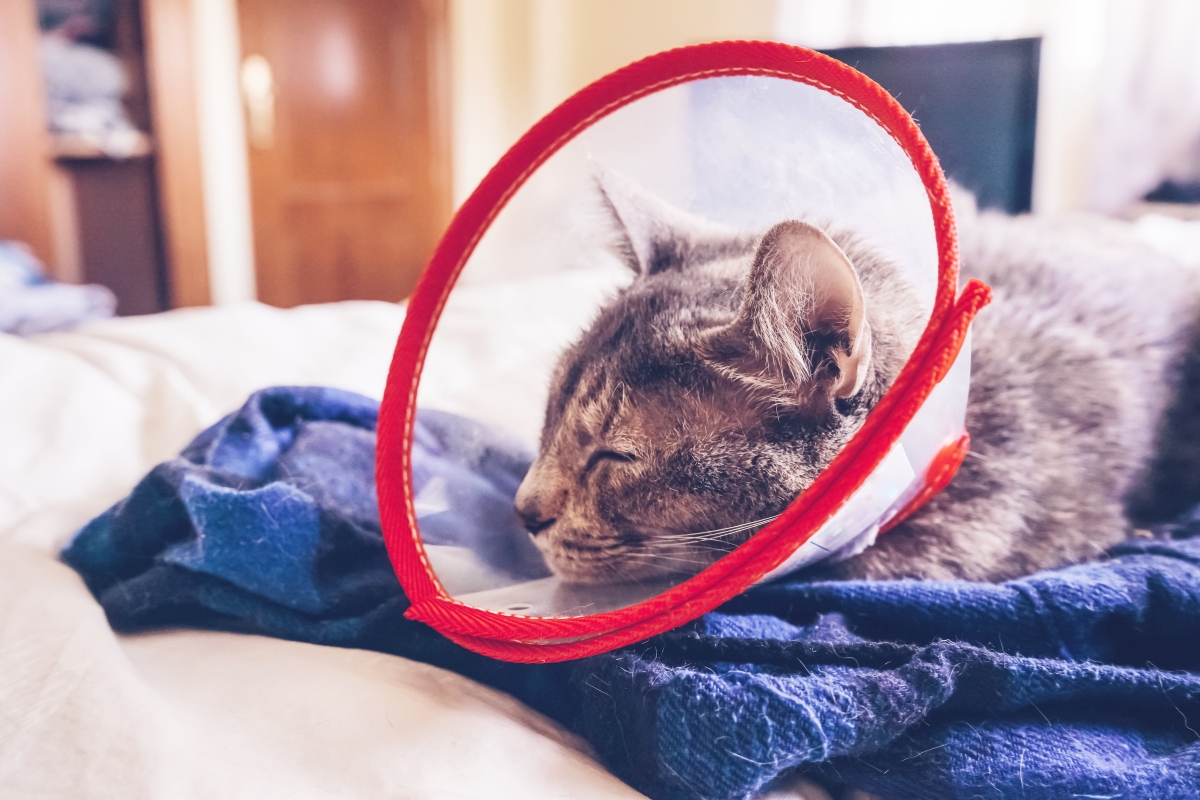
Most cats despise the recovery cone, but this device prevents harmful licking. Saliva introduces bacteria and reopens healing wounds.
E-collar success tips:
- Keep the collar on continuously unless directly supervised
- Ensure proper fit—snug but not choking
- Raise food bowls for easier eating access
- Consider soft fabric alternatives if hard plastic causes distress
- Offer extra reassurance and treats during adjustment
Typically, cats need cones for 10-14 days until incisions fully heal.
Activity Restriction Guidelines
Limiting movement protects surgical repairs and prevents complications. This challenging task tests every pet parent’s patience.
Creating Appropriate Confinement
Dwight Veterinary Clinic recommends confining cats to small rooms or large crates during initial recovery phases.
Restriction strategies:
- Block access to the stairs completely
- Remove furniture that encourages jumping
- Provide low-entry litter boxes
- Offer puzzle feeders for mental stimulation
- Rotate safe toys to prevent boredom
Most surgeries require activity restriction for one to two weeks minimum.
Nutrition During Recovery
Healing bodies need proper fuel. Nutrition directly impacts recovery speed and wound healing quality.
Feeding Recommendations
- Offer easily digestible foods initially
- Provide smaller, more frequent meals
- Ensure fresh water availability constantly
- Consider warming food slightly to enhance aroma
- Add water to dry kibble for easier consumption
Some veterinarians recommend prescription recovery diets for major surgeries.
When to Call Your Veterinarian
Certain symptoms demand professional evaluation. Never hesitate to call with concerns.
Contact your vet immediately for:
- Vomiting or diarrhea lasting over 24 hours
- Complete food refusal beyond 48 hours
- Difficulty breathing or persistent coughing
- Inability to urinate or defecate
- Extreme lethargy or unresponsiveness
- Any incision complications
Trust your instincts—you know your cat best.
Knowing how to help your cat recover from surgery empowers you during stressful healing periods. Your dedication to proper home care directly influences recovery success. From medication management to incision monitoring, every attentive action supports your feline’s journey back to health.
Follow your veterinarian’s discharge instructions carefully and schedule recommended follow-up appointments. With patience, vigilance, and loving care, your cat will soon return to their playful, purring self. Your commitment to their recovery strengthens the beautiful bond you share.
Frequently Asked Questions:
Q1: How long does it take for a cat to recover from surgery?
A: Recovery time varies by procedure type. Minor surgeries like spaying require 10-14 days for basic healing. Major orthopedic or abdominal surgeries may need four to six weeks for complete recovery.
Q2: Why is my cat not eating after surgery?
A: Appetite loss is normal for 24-48 hours post-surgery due to anesthesia effects and medication side effects. If food refusal continues beyond two days, contact your veterinarian for evaluation.
Q3: Can my cat lick their incision if supervised?
A: No. Even brief licking introduces bacteria and damages healing tissue. Keep the e-collar on continuously except during closely monitored moments. Prevention protects against serious complications.
Q4: When can my cat use stairs after surgery?
A: Most veterinarians recommend avoiding stairs for at least one week post-surgery. Abdominal and orthopedic surgeries may require longer restrictions. Follow your specific discharge instructions carefully.
Q5: Is it normal for cats to hide after surgery?
A: Yes, hiding is instinctive behavior when cats feel vulnerable or uncomfortable. Provide a safe, quiet hiding space within their recovery area. Monitor them regularly without forcing interaction.
Q6: How do I know if my cat’s surgery site is infected?
A: Signs of infection include increasing redness, swelling, warmth around the incision, pus discharge, foul odor, and fever. Any suspected infection requires immediate veterinary examination and treatment.