We Will Be Closed Saturday, Oct 17 (no DVM coverage), as well as Saturdays Oct 31 & Nov 14.


Spaying your dog is a common surgical procedure with long-term health benefits, including preventing unwanted litters, reducing the risk of reproductive cancers, and supporting overall well-being. However, a smooth recovery depends on understanding the spay recovery timeline for dogs and providing proper post-operative care.
Veterinary research and clinical experience highlight that early monitoring, incision care, and activity management are critical for preventing complications like infection or reopening of the surgical site. In this guide, we break down what you can expect each day after surgery and provide actionable tips backed by veterinary expertise.
Understanding Spay Surgery and Recovery
A spay procedure, or ovariohysterectomy, involves the removal of a dog’s ovaries and uterus under general anesthesia. While the surgery is routine, recovery is a critical period where proper care ensures comfort and prevents complications.
Veterinarians recommend observing the dog for signs of discomfort, monitoring the incision, and limiting physical activity to support tissue healing. Most dogs achieve full recovery within 10–14 days, though healing rates can vary depending on age, breed, and pre-existing health conditions.
Day 1: Surgery and Immediate Post-Operative Care
Immediately after surgery, dogs often experience grogginess and mild discomfort due to anesthesia. Veterinary teams advise keeping your dog in a quiet, controlled environment to minimize stress.
Expert tips for Day 1:
- Restrict movement and provide a soft, warm resting area.
- Offer small amounts of water and observe for nausea or vomiting.
- Check the incision for bleeding or unusual swelling—mild redness is normal.
Veterinary insight: Administering prescribed pain medication at the recommended intervals can significantly improve comfort and reduce stress, which supports faster healing.
Days 2–3: Adjusting to Home Recovery
By the second day, most dogs begin regaining alertness but may still be lethargic or hesitant to move. Swelling and minor bruising near the incision are common and usually resolve naturally.
Tips for veterinary-approved home care:
- Continue restricting activity, including stairs, jumping, or rough play.
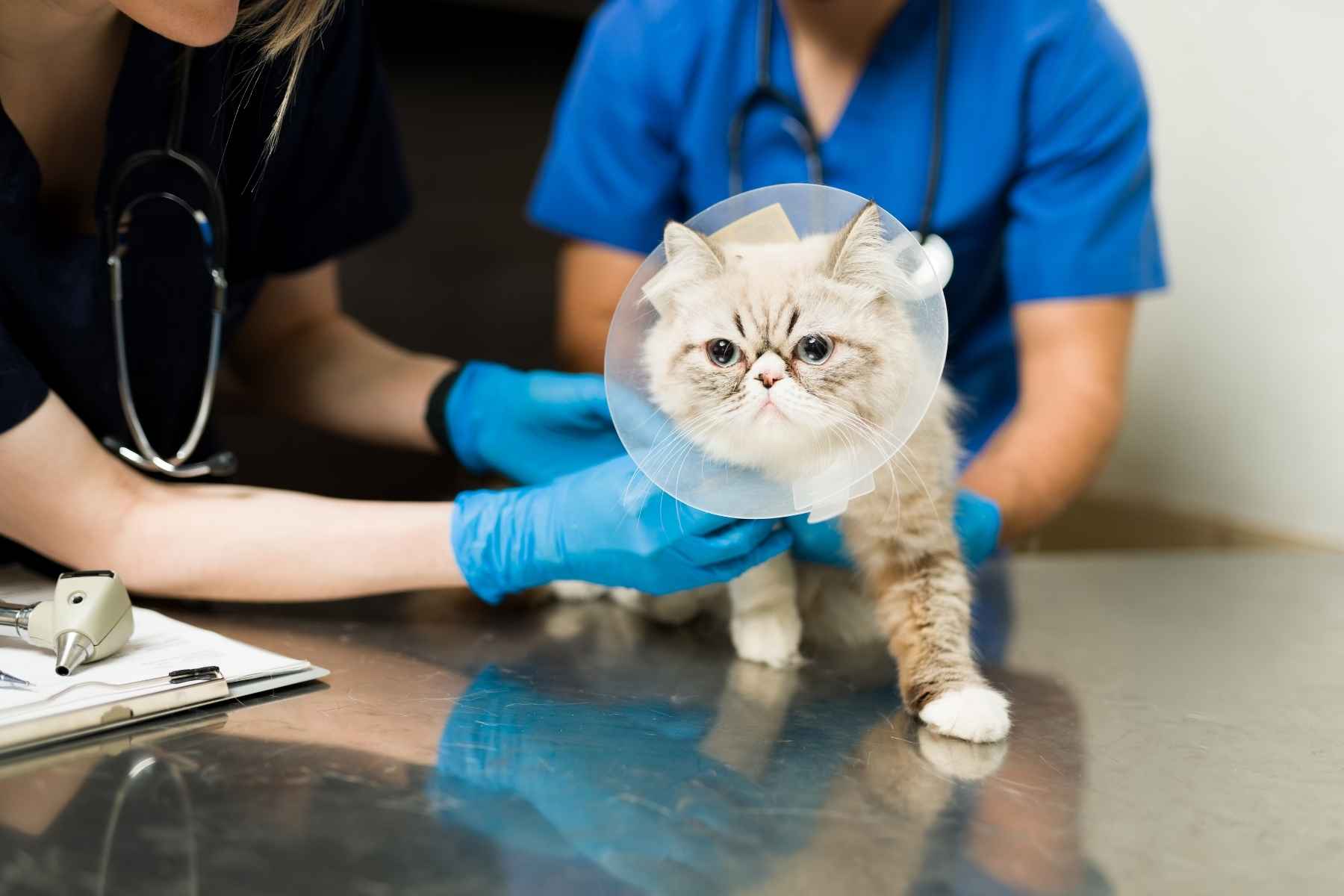
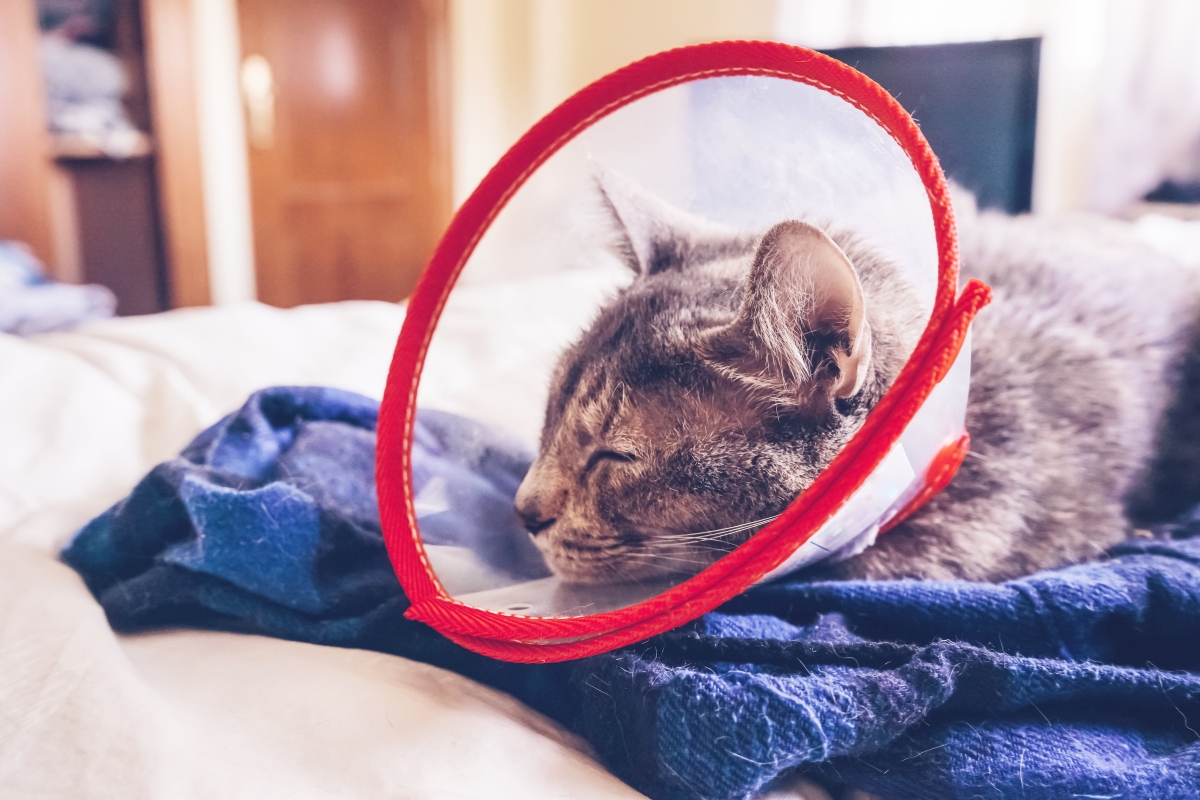
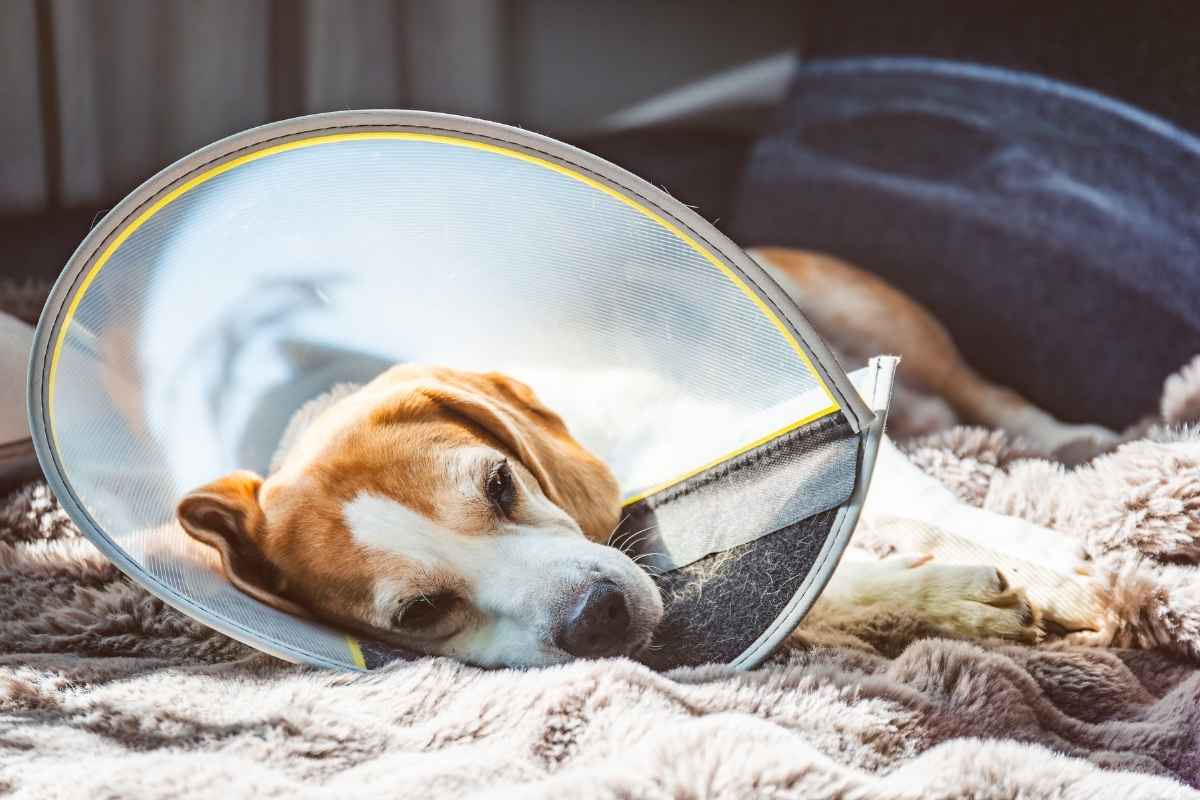
- Prevent licking or chewing using an Elizabethan collar. Licking can introduce bacteria and slow healing.
- Monitor for signs of infection: excessive redness, discharge, or foul odor.
Veterinary rationale: Consistent monitoring helps detect complications early, reducing the likelihood of re-surgery or extended recovery.
Days 4–7: Gradual Improvement and Observation
During this period, most dogs regain their appetite and start showing normal behavior. Mild stiffness can still occur, especially after rest.
Veterinary-recommended care:
- Gentle leash walks are acceptable only if your vet approves.
- Continue pain medication as prescribed.
- Keep the incision clean and dry, using a vet-approved antiseptic if advised.
Research shows that controlled activity during this stage supports muscle tone maintenance without compromising the healing incision.
Days 7–10: Continued Healing and Activity Restrictions
Although your dog may appear physically active, internal healing continues. Overexertion can reopen the incision or increase swelling.
Actionable tips:
- Short, calm walks help maintain mobility.
- Continue to monitor incision progress daily.
- Schedule a post-operative checkup if your veterinarian recommends.
Clinical evidence: Most complications, like seromas (fluid accumulation) or minor infections, are detected during this period, highlighting the importance of careful observation.
Days 10–14: Near Full Recovery
By the end of the second week, the incision should be mostly healed, with minimal redness or swelling. Most dogs can safely resume normal activity.
Expert advice:
- Gradually reintroduce regular play and controlled exercise.
- Praise calm behavior to reinforce proper activity limits.
- Continue to watch for subtle signs of discomfort, especially in senior dogs or those with previous health issues..
Additional Tips for a Safe Spay Recovery
- Comfortable Recovery Area: A quiet, warm space prevents unnecessary stress.
- Follow All Medication Instructions: Pain management is essential for comfort and faster healing.
- Maintain Nutrition and Hydration: Offer small meals and fresh water multiple times per day.
- Behavioral Observation: Watch for lethargy, persistent whining, or changes in appetite.
- Prevent Rough Play: Avoid high-impact activities and interactions with other pets until fully healed.
Veterinarians emphasize that attentive post-operative care directly correlates with quicker recovery and fewer complications.
Understanding the spay recovery timeline for dogs allows pet owners to provide effective care, reduce complications, and support a safe return to normal activity. Careful observation, controlled exercise, and adherence to veterinary instructions are key to a smooth recovery.
Pet owners in Dwight, IL, can trust Dwight Veterinary Clinic’s Veterinary Pet Surgery team to guide their dogs through a smooth recovery, ensuring they heal safely and comfortably.
FAQs:
Q1. How long does spaying recovery take for dogs?
Ans. Most dogs recover within 10–14 days, though some may require extra time depending on age, breed, or medical conditions.
Q2. Can my dog go outside during recovery?
Ans. Yes, short, controlled walks are usually safe, but avoid running, jumping, or rough play until cleared by your veterinarian.
Q3. What are warning signs after spay surgery?
Ans. Redness, swelling, discharge, foul odor, persistent vomiting, or lethargy may indicate complications and require prompt veterinary attention.
Q4. When can my dog resume normal activity?
Ans. Typically after 10–14 days, once the incision has healed and your vet confirms it’s safe.
Q5. Do I need to give pain medication after surgery?
Ans. Yes, administering prescribed pain relief as directed helps reduce discomfort and promotes proper healing.
Q6. How do I prevent my dog from licking the incision?
Ans. Use an Elizabethan collar or protective garments recommended by your vet to prevent infection and incision damage.