We Will Be Closed Saturdays October 31 and November 14.



Your kitten may still fit in your hands when it is time to discuss spaying or neutering. Cats can reach sexual maturity sooner than many families expect. Planning early gives you time to ask questions and understand what surgery involves before pregnancy becomes possible.
For kitten owners in Dwight, knowing when to schedule surgery can make those first months feel less uncertain. This guide explains the recommended age, the health benefits, and the steps that help you prepare. Our vets can help you decide when your kitten is ready based on their development and health.
At What Age Can Kittens Be Spayed or Neutered?
For most healthy cats not intended for breeding, veterinary guidance recommends spaying or neutering by five months of age. Discuss timing during your kitten’s early visits rather than waiting until six months. Some female kittens begin their first heat cycle at just four months.
Healthy kittens can sometimes undergo surgery as early as eight weeks, particularly in shelter settings. However, early surgery requires suitable body weight, careful patient selection, and anesthesia appropriate for young kittens. Not every kitten is ready in eight weeks.
Our veterinary practice considers each pet individually, including age, size, breed, and lifestyle. During kitten care visits, we can discuss surgery alongside vaccinations, parasite prevention, and growth checks. The goal is to plan ahead while making a medical decision that fits your kitten.
What Is the Difference Between Spaying and Neutering?
Spaying prevents a female cat from becoming pregnant by removing the ovaries, often along with the uterus. Neutering a male cat involves removing the testicles. Both procedures require anesthesia and pain control.
These are common operations, but they still require preparation and recovery. Your veterinarian should explain the procedure, possible risks, and home instructions before surgery.
Why Does Spaying or Neutering Early Matter?
Preventing Pregnancy Before the First Heat
A kitten does not need to have a litter before being spayed. There is no health benefit to allowing a first pregnancy, and pregnancy places demands on a growing body.
Indoor cats also need a plan. An open door or contact with an unneutered housemate can create an opportunity to mate. Keep unaltered males and females separated until your veterinarian advises that pregnancy is no longer a risk.
Reducing Certain Health Risks
Spaying before the first heat lowers the risk of mammary cancer later in life. Removing the uterus also prevents pyometra, a potentially life-threatening uterine infection. Neutering eliminates the risk of testicular cancer because the testicles are removed.
These benefits do not prevent every future illness. Your cat will still need regular examinations, appropriate nutrition, vaccinations, and parasite protection throughout life.
Limiting Hormone-Driven Behaviors
Neutering can reduce mating-related roaming, fighting, and urine spraying. Spaying prevents heat cycles, which can involve loud calling, restlessness, and repeated attempts to escape.
Surgery does not erase your kitten’s personality or guarantee that every behavior will stop. Spraying or aggression can also stem from stress or illness and may need a separate evaluation.
How Do Vets Decide Whether a Kitten Is Ready?
An examination helps assess growth, hydration, body condition, and signs of illness. Our vets can review your kitten’s medical history and discuss whether testing is appropriate before anesthesia.
Tell us about sneezing, coughing, diarrhea, vomiting, poor appetite, or unusual tiredness. Illness may mean postponing surgery while the underlying problem is addressed. Bring adoption records and medication details.
Our kitten care appointments also provide time to review vaccinations and screening needs. Preparing for veterinary surgery should fit into your kitten’s overall health plan rather than replace routine preventive visits.
How Should You Prepare Your Kitten for Surgery?
Preparation starts with the instructions from your veterinary team. Food, water, and medication directions can differ according to age and health.
- Confirm feeding instructions. Do not assume an overnight fast is appropriate for a young kitten. Prolonged fasting can increase the risk of low blood sugar.
- Ask about medications. Give, withhold, or adjust them only as directed. Never offer human pain medicine.
- Make the carrier familiar. Leave it open beforehand with comfortable bedding so travel feels less unfamiliar.
- Prepare a quiet recovery area. Place bedding, water, and a litter box nearby. Avoid climbing furniture.
- Arrange supervision. Plan to monitor your kitten after coming home and keep other pets from encouraging play.
If your kitten eats when food should have been withheld, tell the team before surgery. Accurate information helps the veterinarian decide how to proceed safely.
What Should You Expect During Recovery?
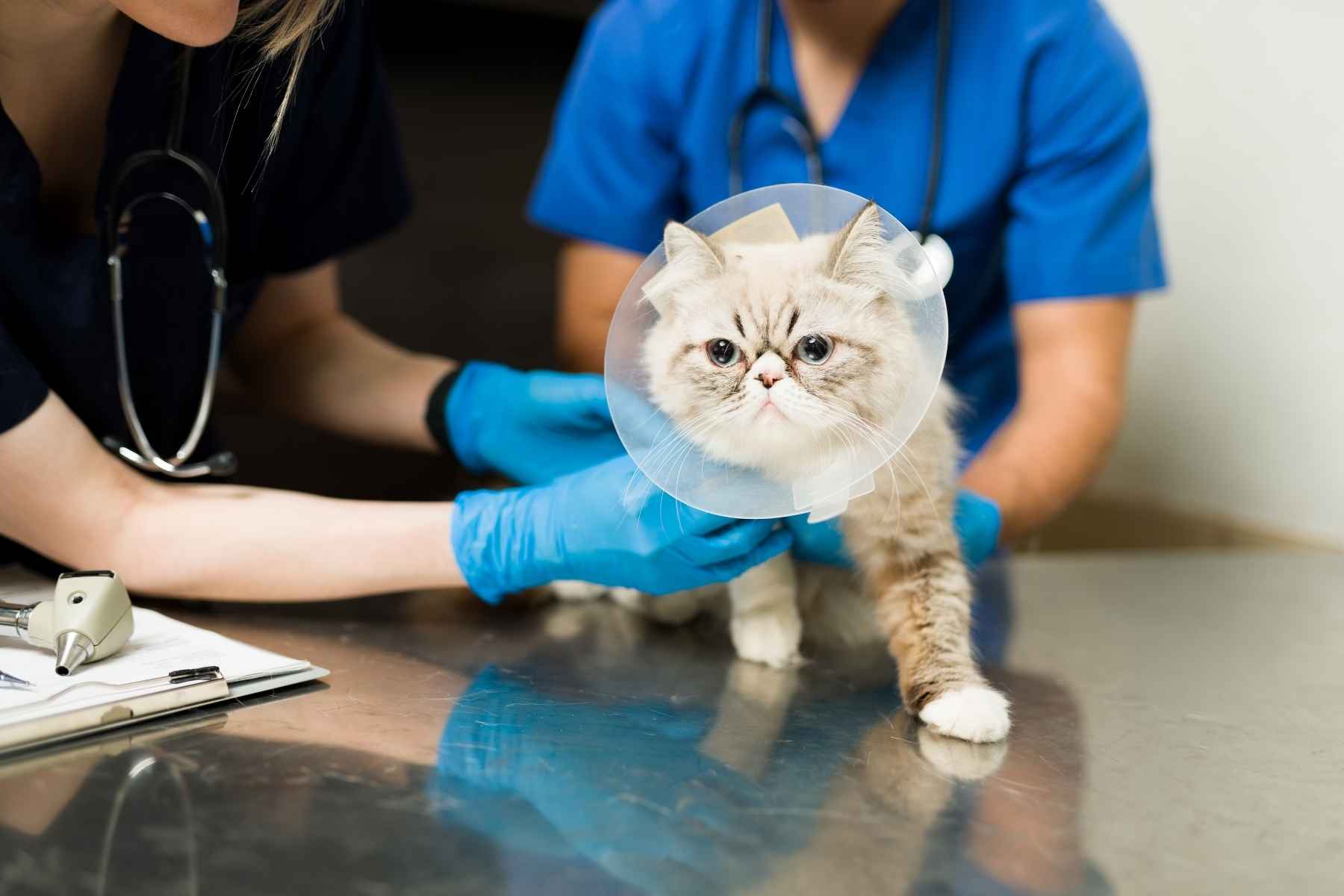
Your kitten may be sleepy after anesthesia, but alertness should gradually improve. Follow the discharge instructions for meals, medication, incision protection, and activity limits. Many cats need restrictions for around 10 to 14 days, although the procedure and healing progress affect the timeline.
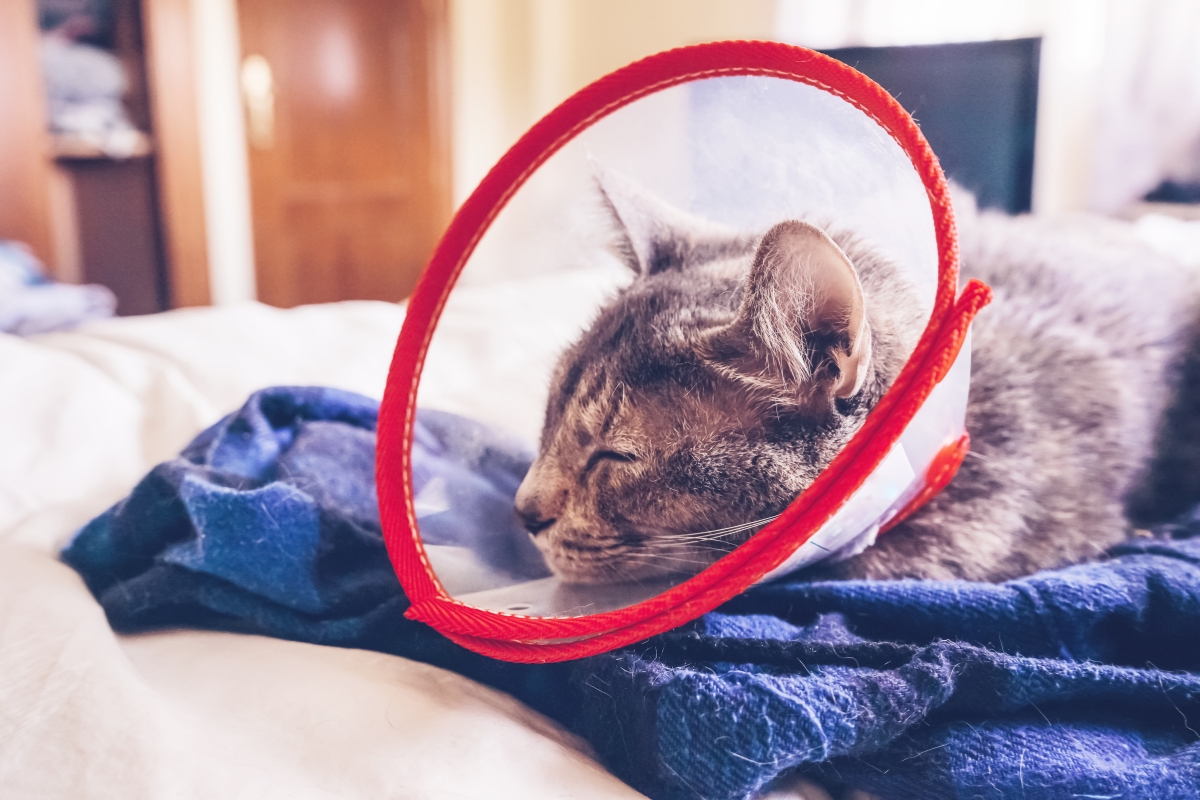
Prevent licking with the protection your veterinarian recommends. Check the incision daily and avoid bathing until cleared. A kitten who wants to run or jump may still have tissues that need more time to heal.
Contact the veterinary team promptly for worsening swelling, discharge, bleeding, repeated vomiting, refusal to eat, or increasing pain. Difficulty breathing, collapse, or pale gums require immediate veterinary attention. Use the after-hours contact instructions if the practice is closed.
Help Your Kitten Start Life With a Clear Health Plan
Planning surgery before sexual maturity helps prevent unwanted litters and reduces certain future health risks. With an examination and clear preparation instructions, you can approach this milestone knowing what to expect.
If you live in Dwight or nearby, contact our veterinary practice at 815-584-2732 to schedule your kitten’s examination. Our vets will review their development, discuss surgery timing, and help you prepare for recovery. Plan ahead as your kitten grows.
Frequently Asked Questions
Q1. Can my kitten be spayed while in heat?
Ans. It may be possible, but increased blood flow can make surgery more complicated. Tell your veterinarian about suspected heat signs so they can advise on timing.
Q2. Will spaying or neutering make my kitten gain weight?
Ans. Energy needs can change after surgery, but weight gain is not inevitable. Measured meals, growth checks, and regular play help maintain an appropriate body condition.
Q3. Is five months too late to neuter a kitten?
Ans. No, but some cats become fertile earlier. Contact your veterinarian promptly to arrange an assessment and prevent access to potential mates.
Q4. Where can I discuss my kitten’s surgery timing in Dwight?
Ans. Dwight Veterinary Clinic offers puppy and kitten visits that include discussions about spaying and neutering. Our vets consider your kitten’s development, health, and lifestyle when advising on timing.
Q5. Can your Dwight practice review my kitten’s records before surgery?
Ans. Yes. Bring vaccination records, adoption paperwork, and medication details to Dwight Veterinary Clinic. Our team can review that history during the examination and discuss any remaining health needs.
Q6. Who should I contact about recovery concerns in Dwight?
Ans. Contact Dwight Veterinary Clinic with questions about healing or postoperative instructions. Describe the changes you notice so our team can advise whether your kitten needs an examination.