We Will Be Closed Saturday, Oct 17 (no DVM coverage), as well as Saturdays Oct 31 & Nov 14.


Pets do not have the same health needs at every stage of life. A young puppy or kitten may need frequent vaccinations and growth monitoring, while an adult pet may focus more on maintaining a healthy weight and preventing common lifestyle-related problems. As pets grow older, however, their bodies can change in ways that require closer monitoring and more individualized care.
Regular veterinary visits provide an opportunity to identify these changes before they become more difficult to manage. Age itself is not a disease, but it can increase the likelihood of certain health concerns. Therefore, preventive strategies should evolve as your pet’s needs, activity level, and overall health change.
A wellness plan should consider more than your pet’s birthday. Breed, size, lifestyle, nutrition, weight, medical history, and daily habits can all influence health risks. As a result, the right approach for a healthy adult dog may not be appropriate for a senior dog with changing mobility or organ function.
This is why preventive care becomes increasingly individualized as pets age. Regular examinations, appropriate screening, dental evaluations, nutrition reviews, and lifestyle adjustments can help veterinarians detect potential problems earlier and maintain a better quality of life.
Preventive Care for Young Pets
Early life is a period of rapid physical and behavioral development. Puppies and kittens typically need a structured vaccination schedule, parasite prevention, nutritional guidance, and monitoring as they grow.
Veterinary visits during this stage also provide opportunities to discuss spaying or neutering, dental health, training, nutrition, and behavior. Establishing healthy habits early can reduce preventable problems later in life.
Because young pets can develop quickly, veterinarians may recommend more frequent visits during the first year. These appointments help ensure that growth and development remain on track.
Adult Pets Need Ongoing Wellness Monitoring
Once pets reach adulthood, the focus often shifts toward maintaining good body condition and identifying emerging health risks.
Weight management becomes particularly important. Excess weight can place additional stress on joints and may contribute to several chronic health concerns. Regular weight checks can help owners make timely adjustments to food portions, treats, and exercise.
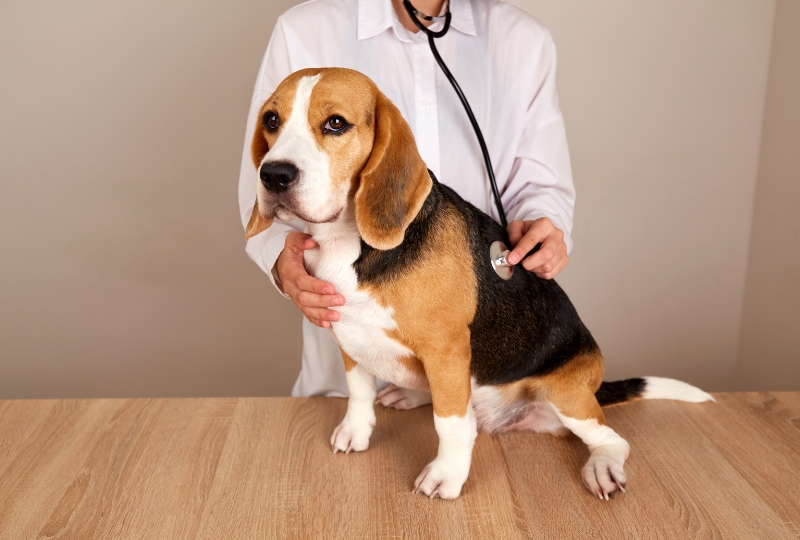
Adult wellness visits may also include vaccination updates, parasite prevention, dental assessments, nutritional discussions, and a physical examination. Even pets that appear completely healthy benefit from routine evaluations because some conditions may develop without obvious symptoms.
Why Senior Pets Need More Attention
As pets age, subtle changes can become more common. Reduced activity, changes in appetite, increased thirst, stiffness, weight changes, altered sleep patterns, or behavioral differences may indicate an underlying health concern.
Senior pets can also become more susceptible to conditions involving the joints, teeth, kidneys, heart, liver, endocrine system, and other organs. Early detection can make a meaningful difference in how these problems are managed.
For this reason, veterinary professionals may recommend more frequent wellness examinations for older pets. Bloodwork, urine testing, blood pressure monitoring, dental evaluations, or other screening tests may also become appropriate depending on the individual pet.
Dental Health Becomes Increasingly Important
Oral health deserves attention throughout a pet’s life, but dental problems can become more significant with age. Plaque and tartar can contribute to gum inflammation, periodontal disease, discomfort, and difficulty eating.
Regular dental examinations allow veterinarians to monitor changes and recommend appropriate home care or professional treatment. At home, owners can support oral health through brushing and veterinary-approved dental products.
Never assume that bad breath is simply a normal part of aging. Persistent unpleasant breath can be a sign of dental disease or another health concern.
Nutrition and Weight Management Should Evolve
A pet’s calorie requirements may change with age and activity level. Older pets often become less active, which can make weight gain easier. At the same time, some senior pets may lose muscle or experience changes in appetite.
Therefore, feeding plans should reflect current body condition rather than simply following the same routine for years. Your veterinarian can help determine appropriate portions and whether a dietary change would benefit your pet.
Avoid making major nutritional changes without professional guidance, especially when an older pet has an existing medical condition.
Screening Helps Detect Hidden Health Problems
Pets often hide signs of illness, particularly during the early stages of disease. A pet may continue eating, walking, and interacting normally while an underlying problem develops.
Routine screening can help identify changes that are not immediately visible. Depending on age and health history, a veterinarian may recommend blood tests, urine testing, blood pressure checks, imaging, or other evaluations.
These recommendations should always be individualized. Not every older pet needs every test at every visit.
Adjusting Care for Mobility and Comfort
Older pets may gradually become less active or develop stiffness. Owners should not automatically assume these changes are simply unavoidable signs of aging.
Provide comfortable bedding, maintain a healthy weight, and encourage appropriate low-impact activity. Your veterinarian can also assess mobility and discuss options when pain, arthritis, or other orthopedic concerns affect daily life.
Dwight Veterinary Clinic can help evaluate your pet’s changing health needs and create an age-appropriate wellness plan based on their individual condition.
Preventive care should evolve throughout your pet’s life. Young animals need support for healthy growth, adults benefit from consistent wellness monitoring, and senior pets often require closer observation and more individualized screening.
By adjusting nutrition, dental care, exercise, examinations, and health monitoring as your pet ages, you can respond to changing needs instead of waiting for noticeable problems to develop.
Schedule your appointment with Dwight Veterinary Clinic to review your pet’s current wellness needs and develop an age-appropriate preventive care plan.
Frequently Asked Questions
Q1. Does preventive care need to change as pets age?
Ans: Yes. Preventive strategies often become more individualized with age because older pets may face different health risks and may benefit from additional monitoring or screening.
Q2. How often should senior pets visit the veterinarian?
Ans: The ideal schedule depends on your pet’s age, breed, health history, and current condition. Some senior pets may benefit from more frequent examinations than younger adult pets.
Q3. Do older pets need different food?
Ans: Not every senior pet needs a different diet. However, changes in activity, weight, muscle condition, or medical status may make dietary adjustments appropriate.
Q4. Are changes in behavior normal in older pets?
Ans: Some behavioral changes can occur with age, but sudden or persistent changes should not automatically be considered normal. They may indicate pain, illness, or another underlying concern.
Q5. Should senior pets have routine bloodwork?
Ans: Your veterinarian may recommend bloodwork based on your pet’s age, health history, examination findings, and risk factors. Testing can help identify certain health changes before obvious symptoms appear.
Q6. Can preventive care improve my senior pet’s quality of life?
Ans: Yes. Regular examinations, appropriate nutrition, dental care, weight management, parasite prevention, and early identification of health problems can support comfort and overall quality of life.