We Will Be Closed Saturday, Oct 17 (no DVM coverage), as well as Saturdays Oct 31 & Nov 14.


When your dog starts coughing, sneezing, or sounding congested, it can be worrying—especially if symptoms appear suddenly. Upper respiratory infections in dogs are common, but they can range from mild to serious depending on the cause and your dog’s overall health. Understanding how these infections develop, what symptoms to watch for, and how to help your dog recover is essential for every pet parent. In this guide, you’ll learn how to recognize early warning signs, support your dog’s healing at home, and prevent future infections. We’ll also reference how proper care connects to the trusted support provided by a veterinary hospital Dwight.
What Is an Upper Respiratory Infection in Dogs?
Upper respiratory infections (URIs) develop when the tissues in a dog’s nose, throat, or sinus passages become irritated or inflamed. They’re typically caused by viruses, bacteria, or a combination of both. While many cases resemble a common cold, others can progress into more serious issues like pneumonia if not treated properly.
URIs spread easily through coughing, shared bowls, close contact, or contaminated surfaces—making dogs who visit boarding facilities, parks, or grooming salons more susceptible.
Symptoms You Should Watch For
Early detection helps prevent complications. Most dogs show mild symptoms at first, but they can worsen quickly.
Common symptoms include:
- Persistent coughing (dry or wet)
- Nasal discharge
- Sneezing or snorting
- Eye discharge
- Reduced appetite
- Lethargy
- Fever
- Difficulty breathing in severe cases
If your dog shows multiple signs, monitor closely and consult your veterinarian promptly.
How Upper Respiratory Infections Are Diagnosed
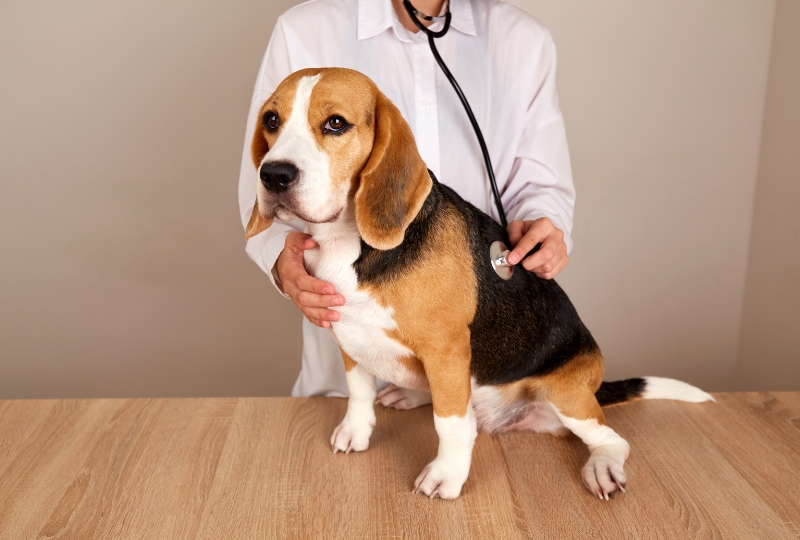
A veterinarian will typically perform a physical exam and may recommend diagnostic tests based on severity.
Diagnostic tools may include:
- Chest X-rays to rule out pneumonia
- Nasal or throat swabs
- Blood tests
- PCR testing to identify viral or bacterial causes
Understanding the underlying cause helps determine whether antibiotics, antiviral care, or supportive treatment is needed.
Treatment Options for Upper Respiratory Infections
Most mild infections resolve with supportive care, but severe cases require medical treatment.
At-home care may include:
- Humidification: A steamy bathroom helps ease congestion.
- Warm, soft food: Encourages eating when appetite is low.
- Plenty of fresh water: Keeps mucus thin and easier to clear.
- Rest: Avoid intense exercise until symptoms fade.
Veterinary treatment may involve:
- Prescription cough suppressants
- Antibiotics (for bacterial infections)
- Anti-inflammatory medications
- Fluids for dehydration
- Nebulization therapy in severe respiratory distress
How to Prevent Upper Respiratory Infections
Prevention begins with boosting your dog’s immune system and reducing their exposure to contagious environments.
Key prevention tips:
- Keep vaccinations up to date: Kennel cough and canine influenza vaccines greatly reduce infection risk.
- Avoid overcrowded dog areas, Especially during outbreaks.
- Practice good hygiene: Wash bowls, toys, and bedding regularly.
- Limit exposure to sick dogs: Even a mild cough can be contagious.
- Reduce stress: Stress weakens the immune system and increases vulnerability to infections.
Recovery Timeline: What to Expect
Most dogs recover from mild URIs within 7–14 days with proper care. Severe infections may take longer, especially if pneumonia develops.
Signs your dog is improving:
- Reduced coughing
- Clear breathing
- Normal appetite
- Increased energy
If symptoms worsen after a few days—or don’t improve at all—return to your veterinarian for reevaluation.
When to Seek Immediate Veterinary Care
Some symptoms signal that your dog needs urgent attention:
- Labored or open-mouth breathing
- Blue or pale gums
- Not eating or drinking for longer than a full day
- Persistent fever
- Weakness or collapse
Prompt treatment can prevent life-threatening complications.
Upper respiratory infections in dogs can be stressful, but with early detection, proper care, and preventive measures, most dogs recover quickly and comfortably. Monitoring symptoms closely and maintaining regular veterinary checkups can help protect your dog’s long-term respiratory health. A proactive, informed approach ensures your dog stays safe, happy, and breathing easy.
For professional treatment of canine respiratory issues in Dwight, the Dwight Veterinary Clinic delivers skilled and caring veterinary services for your dog’s breathing-related health concerns.
Frequently Asked Questions
Q1: How contagious are upper respiratory infections in dogs?
Ans: URIs are highly contagious, especially in environments like boarding facilities or dog parks. Infected dogs can spread viruses or bacteria through coughing, sneezing, and shared objects.
Q2: Can my dog catch a respiratory infection from another species?
Ans: Most canine respiratory pathogens are species-specific. However, some bacteria can occasionally pass between dogs and cats, making caution important.
Q3: Should I isolate my dog if they’re showing symptoms?
Ans: Yes. Keep your dog separated from other pets until symptoms resolve and your veterinarian confirms they’re no longer contagious.
Q4: Are there natural remedies that help with recovery?
Ans: Humidifiers, warm food, and gentle hydration can support healing, but they should complement—not replace—veterinary care.
Q5: How do I know if my dog’s URI has turned into pneumonia?
Ans: Warning signs include rapid breathing, persistent fever, severe lethargy, and worsening cough. Veterinary evaluation is essential.
Q6: Can vaccinated dogs still get respiratory infections?
Ans: Yes, but symptoms are usually milder and recovery is faster. Vaccinations reduce severity and limit outbreak spread.