We Will Be Closed Saturday, Oct 17 (no DVM coverage), as well as Saturdays Oct 31 & Nov 14.


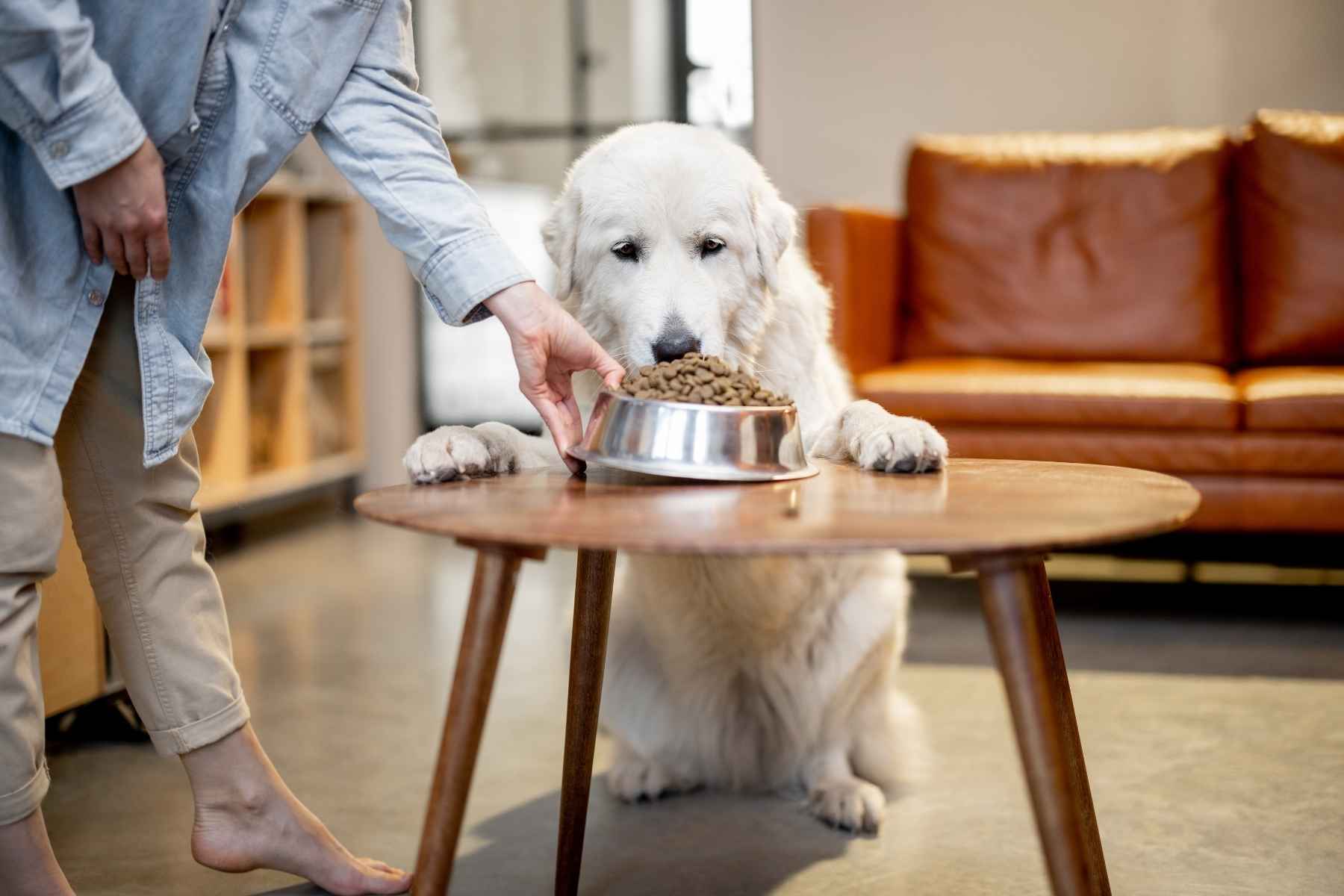
Most pet owners have experienced it at some point: your dog or cat sneaks extra treats, finishes leftover table scraps, or eats far more than usual and suddenly becomes sleepy, bloated, or sluggish. While mild overeating can sometimes lead to temporary discomfort, excessive eating may occasionally signal a more serious health concern that requires prompt veterinary attention.
At Dwight Veterinary Clinic, pet owners often ask whether their pet’s tired behavior after a large meal is harmless or something more serious. Understanding the difference between temporary overeating and potentially dangerous symptoms can help owners make informed decisions and protect their pet’s health.
For pet owners in Dwight, IL, recognizing the warning signs of overeating can help prevent emergencies and support healthier feeding habits for pets of all ages and breeds.
Can Pets Really Have a “Food Coma”?
The term “food coma” is commonly used to describe the sleepy, sluggish feeling that sometimes occurs after overeating. Pets can also appear tired or less active after consuming a large meal because digestion requires energy and increased blood flow to the digestive tract.
In many mild cases, pets simply rest more than usual for a few hours and recover normally. However, overeating can sometimes lead to gastrointestinal distress or dangerous complications, especially if the pet consumed fatty foods, toxic ingredients, or a large amount of food very quickly.
Common Signs Your Pet Ate Too Much
Mild overeating often causes temporary digestive discomfort. Common symptoms may include:
- Sleepiness or sluggish behavior
- Mild bloating
- Passing gas
- Temporary discomfort
- Increased thirst
- Reduced activity for several hours
- Mild stomach noises
Many pets recover with rest and close observation, but symptoms should gradually improve rather than worsen.
Signs That May Indicate a More Serious Problem
Sometimes, overeating can trigger medical emergencies, especially in dogs prone to digestive issues.
Repeated Vomiting
Occasional mild nausea may occur after overeating, but repeated vomiting can indicate a more serious issue.
Severe Bloating
A swollen or tight abdomen, especially combined with restlessness or unproductive retching, may signal gastric dilatation-volvulus (GDV), also known as bloat. This condition requires immediate emergency treatment.
Difficulty Breathing
Labored breathing or excessive panting after eating should never be ignored.
Extreme Lethargy
Pets that become unusually weak, unresponsive, or unable to stand comfortably may need urgent evaluation.
Diarrhea
Large amounts of rich or unfamiliar foods can irritate the digestive system and lead to diarrhea.
Signs of Pain
Whining, pacing, trembling, or sensitivity around the abdomen may indicate gastrointestinal distress.
Why Overeating Can Be Dangerous
Some pets tolerate overeating relatively well, while others develop complications quickly.
Potential risks include:
- Pancreatitis
- Intestinal blockage
- Gastric bloat
- Food toxicity
- Severe digestive upset
- Obesity over time
Certain human foods, including chocolate, onions, grapes, fatty meats, and xylitol-containing products, are especially dangerous for pets.
Pets Most at Risk for Complications
Some animals are more vulnerable to serious problems after overeating.
Large Deep-Chested Dogs
Breeds such as Great Danes, German Shepherds, and Standard Poodles are at increased risk for gastric bloat.
Senior Pets
Older pets may have slower digestion or underlying medical conditions that increase complications.
Pets With Existing Health Conditions
Animals with diabetes, pancreatitis history, or gastrointestinal disease may react more severely to overeating.
Fast Eaters
Pets that eat too quickly may swallow excess air along with food, increasing digestive discomfort and bloating risk.
What to Do if Your Pet Eats Too Much
If your pet appears mildly uncomfortable but otherwise stable, these steps may help:
- Limit additional treats or food temporarily
- Provide access to fresh water
- Encourage quiet rest
- Monitor symptoms closely
- Avoid vigorous exercise immediately after eating
However, never delay veterinary attention if symptoms worsen or seem severe.
When to Contact a Veterinarian
Pet owners should contact a veterinarian immediately if their pet develops:
- Repeated vomiting
- A swollen abdomen
- Difficulty breathing
- Collapse or weakness
- Severe diarrhea
- Signs of pain
- Ingestion of toxic foods
Prompt veterinary care can make a significant difference when serious digestive complications occur.
How to Prevent Future Overeating
Preventing overeating is one of the best ways to reduce digestive emergencies.
Helpful prevention tips include:
- Measure meals carefully
- Avoid feeding large amounts of table scraps
- Use slow-feeder bowls for fast eaters
- Keep trash and food securely stored
- Supervise pets around holiday meals and parties
- Feed smaller meals throughout the day if recommended
Consistent feeding routines can also help support healthy digestion and weight management.
Why Monitoring Eating Habits Matters
Changes in appetite can sometimes indicate underlying health conditions rather than simple hunger. Pets that suddenly begin scavenging excessively or eating unusually large amounts may require further evaluation.
Routine veterinary care helps identify medical concerns such as:
- Diabetes
- Hormonal imbalances
- Digestive disorders
- Nutritional deficiencies
Monitoring eating patterns and digestive symptoms allows veterinarians to detect problems earlier and recommend appropriate treatment.
For pet owners in Dwight, IL, understanding when overeating is harmless and when it may require medical attention can help keep pets safer and healthier. At Dwight Veterinary Clinic, our veterinary team provides guidance, preventive care, and treatment for a wide range of digestive and nutritional concerns.
If your pet experiences bloating, vomiting, unusual lethargy, or digestive discomfort after eating, schedule your appointment with Dwight Veterinary Clinic. Our team can evaluate your pet’s symptoms and provide personalized veterinary care to support long-term digestive health and overall wellness.
Frequently Asked Questions
Q1. Is it normal for pets to sleep after eating a large meal?
Ans. Mild sleepiness after overeating can be normal because digestion requires energy. However, excessive lethargy, weakness, or worsening symptoms should be evaluated by a veterinarian.
Q2. How do I know if my dog has dangerous bloats?
Ans. Signs of dangerous bloat may include a swollen abdomen, unsuccessful attempts to vomit, pacing, panting, drooling, or collapse. Gastric bloat is a medical emergency that requires immediate treatment.
Q3. Can overeating cause vomiting in pets?
Ans. Yes. Eating too much or eating too quickly may irritate the stomach and trigger vomiting. Persistent vomiting, however, could indicate a more serious condition and should not be ignored.
Q4. What foods are most dangerous if my pet overeats?
Ans. Foods high in fat, chocolate, grapes, onions, garlic, xylitol, and certain bones can be dangerous or toxic to pets. Contact a veterinarian immediately if toxic foods are consumed.
Q5. Are some dog breeds more likely to experience bloating problems?
Ans. Yes. Large, deep-chested breeds such as Great Danes, German Shepherds, and Weimaraners are more prone to gastric bloat and should be monitored carefully after meals.
Q6. How can I slow down my pet’s eating?
Ans. Slow-feeder bowls, puzzle feeders, portion control, and feeding smaller meals throughout the day can help reduce rapid eating and digestive discomfort.