We Will Be Closed Saturday, Oct 17 (no DVM coverage), as well as Saturdays Oct 31 & Nov 14.


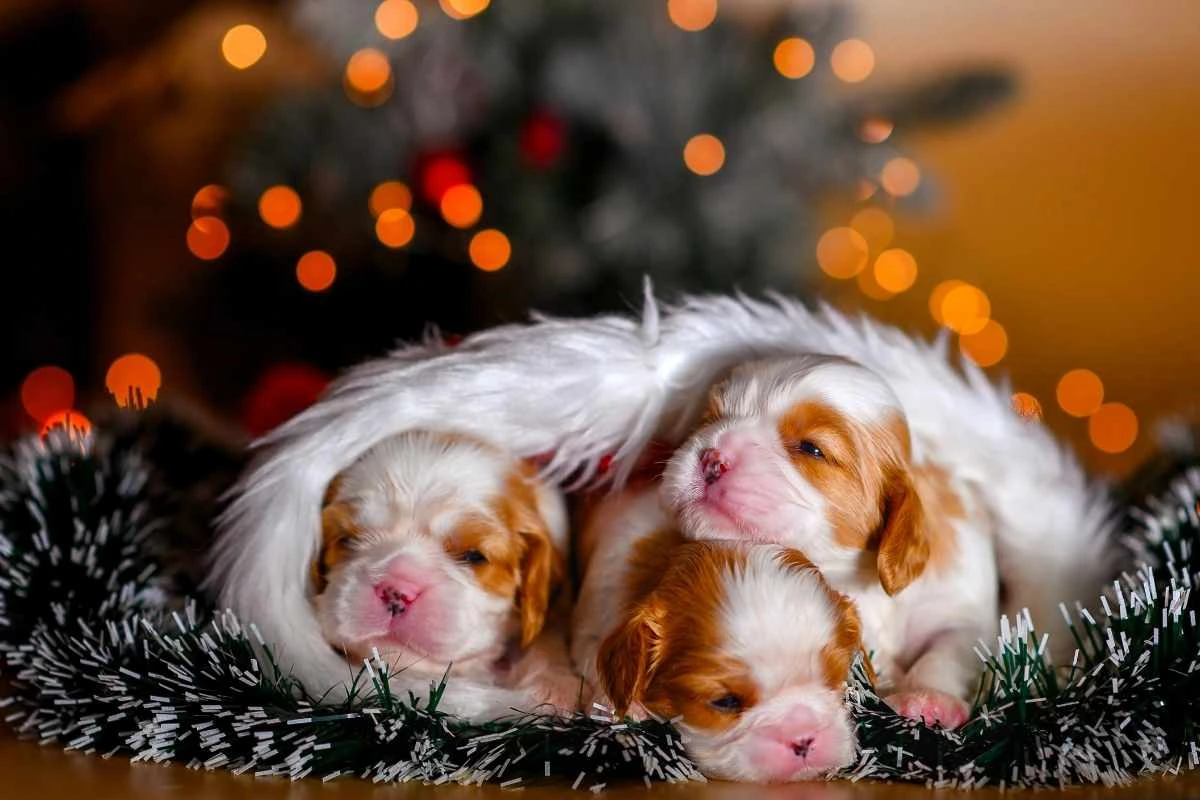
Welcoming a new puppy during the holiday season brings incredible joy to families throughout Dwight, IL. However, first-time puppy parents often underestimate the unique dangers Christmas introduces. Festive decorations, rich foods, and busy gatherings create numerous hazards for curious young canines.
This comprehensive veterinarian’s guide to a safe Christmas for puppies provides expert recommendations for protecting your newest family member. From toxic foods to decoration dangers, we cover essential precautions every puppy owner needs. Let’s ensure your furry friend’s first Christmas remains merry, bright, and completely safe.
Common Holiday Hazards Puppies Face
Puppies explore their environment through chewing and tasting everything within reach. Unfortunately, Christmas introduces countless dangerous temptations throughout your home.
Understanding these risks helps you prepare adequately before problems arise. Prevention always proves easier than treating emergency situations.
Dangerous Christmas Foods
Holiday feasts feature many foods toxic to young puppies. Well-meaning guests often share table scraps without understanding potential consequences.
Never feed puppies these items:
- Chocolate in any form
- Xylitol-sweetened treats and candies
- Grapes, raisins, and currants
- Onions and garlic
- Macadamia nuts
- Fatty meat scraps and bones
Even small amounts of certain foods cause serious illness. Keep all holiday treats securely stored away from curious noses.
Toxic Decorations and Plants
Beautiful holiday decorations pose significant ingestion and choking hazards. Puppies find ornaments, tinsel, and ribbons irresistibly attractive.
High-risk items include:
- Glass ornaments that shatter easily
- Tinsel causing intestinal blockages
- Electrical cords for chewing
- Poinsettias and holly plants
- Mistletoe berries and leaves
Remove dangerous items from puppy-accessible areas completely. Choose pet-safe alternatives whenever possible.
Creating a Puppy-Safe Holiday Environment
Thoughtful preparation transforms your home into a safe celebration space. Simple adjustments protect your puppy without sacrificing the festive atmosphere.
Securing Your Christmas Tree
Christmas trees attract puppies like magnets attract metal. Twinkling lights, dangling ornaments, and interesting smells prove completely irresistible.
Anchor your tree securely to prevent tipping accidents. Place shatterproof ornaments on lower branches only. Block tree access with decorative gates when supervision isn’t possible.
Managing Electrical Safety
Holiday lights create cozy ambiance but present electrocution risks. Puppies naturally chew cords, making electrical decorations particularly dangerous.
Use cord covers or bitter-tasting deterrents on accessible wires. Unplug all decorations when leaving puppies unsupervised. Consider battery-operated alternatives for floor-level displays.
Maintaining Healthy Routines During Celebrations
Holiday chaos disrupts normal schedules significantly. However, puppies thrive on consistency and predictable routines throughout their development.
Feeding and Exercise Consistency
Maintain regular mealtimes despite busy celebration schedules. Consistent feeding prevents digestive upset and behavioral issues.
Continue daily exercise routines regardless of holiday activities. Well-exercised puppies display fewer destructive behaviors during gatherings. Short training sessions also provide mental stimulation during chaotic periods.
Providing Quiet Retreat Spaces
Large gatherings overwhelm young puppies quickly. Designate calm areas where your puppy can escape holiday excitement safely.
Stock retreat spaces with comfortable bedding and favorite toys. Inform guests about respecting your puppy’s quiet zone. This prevents overstimulation and reduces anxiety significantly.
Recognizing Emergency Warning Signs
Despite careful precautions, accidents sometimes happen during busy holidays. Knowing warning signs enables quick responses when emergencies occur.
Seek immediate veterinary care if your puppy shows:
- Persistent vomiting or diarrhea
- Difficulty breathing or coughing
- Extreme lethargy or weakness
- Seizures or trembling
- Abdominal pain or bloating
- Refusal to eat or drink
Keep emergency veterinary contacts readily accessible throughout the holiday season. Quick intervention often prevents serious complications.
Make Your Puppy’s First Christmas Memorable
Your puppy’s first holiday season should create wonderful memories, not emergency veterinary visits. Following this veterinarian’s guide to a safe Christmas for puppies protects your newest family member throughout celebrations.
Remember, vigilance and preparation prevent most holiday emergencies. Implement these safety measures before festivities begin for the best results.
Contact us at Dwight Veterinary Clinic for a holiday wellness checkup for your precious puppy!
Frequently Asked Questions:
Q1: Can puppies have Christmas turkey?
Ans: Plain, boneless, skinless turkey in small amounts is generally safe. However, avoid seasoned meat, skin, and bones completely. These cause digestive upset and potential choking hazards.
Q2: How do I keep my puppy away from the Christmas tree?
Ans: Use baby gates to block tree access when unsupervised. Apply bitter deterrent sprays around the base. Provide alternative toys to redirect natural curiosity away from decorations.
Q3: Are poinsettias really dangerous for puppies?
Ans: Poinsettias cause mild mouth irritation and stomach upset but rarely serious harm. However, preventing ingestion remains the safest approach for young puppies.
Q4: What should I do if my puppy eats chocolate?
Ans: Contact your veterinarian immediately. Toxicity depends on chocolate type, amount consumed, and puppy size. Quick treatment significantly improves outcomes for affected puppies.
Q5: How can I reduce my puppy’s holiday anxiety?
Ans: Maintain consistent routines and provide quiet retreat spaces. Consider calming products recommended by your veterinarian. Gradual exposure to holiday activities helps reduce stress.
Q6: Should I give my puppy Christmas presents?
Ans: Absolutely! Choose size-appropriate, durable toys without small parts. Supervise all play with new items. Avoid rawhide and toys that splinter easily.