We Will Be Closed Saturdays October 31 and November 14.

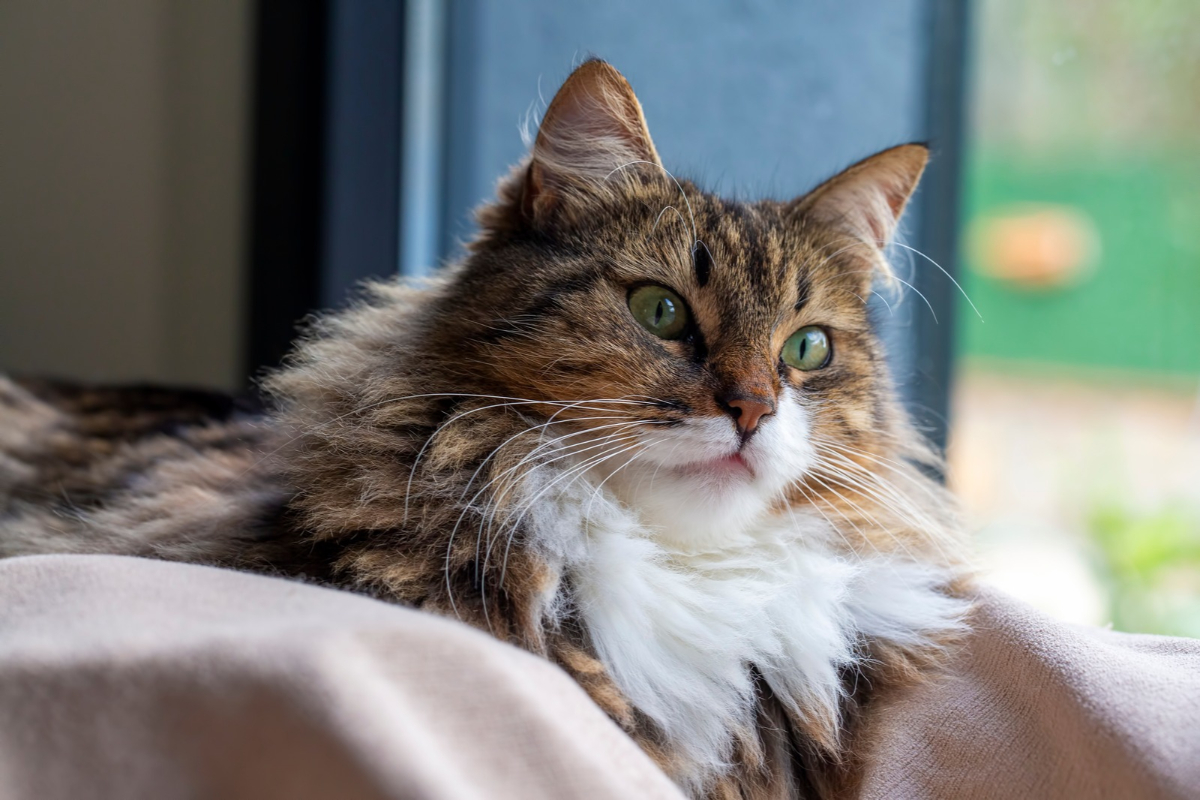
Cats usually breathe quietly, so unusual breathing sounds can be concerning for pet owners. Snoring-like noises, harsh sounds, or high-pitched breathing may indicate that airflow is being restricted somewhere in the respiratory tract. While some noises occur during sleep, persistent or unusual breathing sounds should not be ignored.
Understanding the difference between stertor and stridor can help cat owners recognize possible respiratory problems and know when their pets need veterinary attention. At Dwight Veterinary Clinic, identifying the source of abnormal breathing is an important step in determining the appropriate care for cats experiencing respiratory discomfort.
What Is Stertor in Cats?
Stertor is a low-pitched, snoring-like or congested breathing sound. It generally occurs when airflow is partially obstructed in the nose, nasopharynx, or upper airway. The sound may resemble snoring, snuffling, or nasal congestion.
Common causes of stertor in cats include:
- Upper respiratory infections that cause nasal inflammation and mucus buildup
- Nasal congestion or swelling
- Polyps affecting the nasopharynx
- Foreign material lodged in the nasal passages
- Structural abnormalities of the upper airway
- Inflammation or soft tissue changes that restrict airflow
Some cats with stertor may also sneeze, have nasal discharge, or breathe noisily while sleeping. However, if the sound persists when the cat is awake or becomes more noticeable, a veterinary examination is recommended.
What Is Stridor in Cats?
Stridor is a harsh, high-pitched breathing sound that often occurs when air passes through a narrowed upper airway. Unlike stertor, which is typically lower in pitch, stridor may sound more like a whistle or squeak and can be particularly noticeable during inhalation.
Potential causes of stridor include:
- Laryngeal inflammation or swelling
- Laryngeal paralysis or dysfunction
- Foreign objects obstructing the airway
- Trauma to the throat
- Masses affecting the larynx or surrounding tissues
- Severe airway narrowing
Stridor can indicate a more serious airway problem, particularly when accompanied by labored breathing, distress, or changes in the cat’s behavior. Prompt veterinary evaluation is important to identify the underlying cause.
Stertor vs. Stridor: How Are They Different?
Although both sounds can indicate airflow obstruction, their pitch and possible location differ.
| Feature | Stertor | Stridor |
|---|---|---|
| Sound | Low-pitched, snoring or congested | High-pitched, harsh, or whistling |
| Possible location | Nose or upper throat | Larynx or narrowed upper airway |
| Common causes | Congestion, infection, polyps | Swelling, airway obstruction, laryngeal problems |
| Concern level | Requires evaluation if persistent | May indicate serious airway narrowing |
The sound alone cannot confirm a diagnosis. A veterinarian must assess the cat’s breathing pattern, symptoms, and airway to determine what is causing the noise.
Signs That Noisy Breathing Needs Veterinary Attention
Noisy breathing may occur alongside other symptoms that help indicate the severity of the condition. Watch for:
- Frequent sneezing or coughing
- Nasal discharge
- Reduced appetite
- Difficulty swallowing
- Changes in voice or meowing
- Increased breathing effort
- Unusual lethargy
- Open-mouth breathing
Open-mouth breathing, blue or pale gums, collapse, or pronounced breathing difficulty are urgent warning signs. Cats experiencing these symptoms need immediate veterinary attention. Keep your cat calm and avoid unnecessary handling while arranging care.
How Do Veterinarians Diagnose Noisy Breathing in Cats?
Diagnosing stertor or stridor requires identifying where airflow is restricted and what is causing the obstruction. A veterinarian may begin with a physical examination, review the cat’s medical history, and evaluate breathing patterns, nasal passages, and throat.
Depending on the symptoms, veterinary diagnostics may include:
- Physical examination of the mouth, nose, and throat
- Blood testing to evaluate overall health or signs of infection
- X-rays to assess the chest or surrounding structures
- Additional imaging or airway examination when an obstruction, growth, or structural abnormality is suspected
Some cats may require sedation or specialized airway evaluation, depending on their condition and the suspected cause.
Treatment Options for Cats With Noisy Breathing
Treatment depends on the underlying problem rather than the breathing sound itself. Respiratory infections may require supportive care or medications, while inflammatory conditions may need targeted treatment to reduce swelling.
If a polyp, foreign object, or structural abnormality is restricting airflow, additional procedures may be necessary. Cats with significant airway obstruction may require immediate stabilization before further testing or treatment.
At home, owners should avoid giving human medications, using essential oils, or attempting to remove objects from the throat or nose. Keeping the cat calm and limiting stress can help while arranging veterinary care.
Stertor and stridor are two distinct types of noisy breathing that may indicate congestion, inflammation, or an obstruction in a cat’s airway. Recognizing their differences can help pet owners respond appropriately, but identifying the underlying cause requires professional evaluation.
If your cat develops persistent noisy breathing, consult a vet near you to determine whether the condition needs treatment. For pet owners in Dwight, IL, Dwight Veterinary Clinic can help evaluate concerning respiratory symptoms and guide the next steps. Schedule your appointment if your cat is experiencing unusual breathing sounds.
FAQs:
Q1. Is noisy breathing normal in cats?
Ans: Occasional soft snoring during sleep may be harmless, but persistent snoring-like sounds, whistles, or harsh breathing noises can indicate congestion or airway narrowing. Any new or worsening breathing sound should be evaluated.
Q2. Can stertor in cats be caused by an upper respiratory infection?
Ans: Yes. Upper respiratory infections can cause nasal inflammation, mucus buildup, and congestion that produce snoring-like breathing sounds. Sneezing, watery eyes, and nasal discharge may occur as well.
Q3. Is stridor in cats more serious than stertor?
Ans: Stridor can be concerning because it may indicate narrowing of the upper airway near the larynx. If it occurs with difficulty breathing, open-mouth breathing, or distress, seek immediate veterinary attention.
Q4. What tests can help identify the cause of noisy breathing in cats?
Ans: A veterinarian may recommend an examination, blood tests, X-rays, or additional imaging and airway evaluation. The appropriate tests depend on the cat’s symptoms, breathing stability, and suspected condition.
Q5. When should I take my cat to a veterinarian for noisy breathing?
Ans: Arrange an examination if noisy breathing is persistent, worsening, or accompanied by nasal discharge, reduced appetite, coughing, or changes in behavior. Labored or open-mouth breathing requires urgent veterinary care.
Q6. Can noisy breathing in cats be treated?
Ans: Yes. Treatment may include medications, supportive care, or procedures to address infections, inflammation, polyps, foreign objects, or other airway problems. Early evaluation can help prevent complications.