We Will Be Closed Saturdays October 31 and November 14.


Animals have a remarkable way of hiding discomfort until a health issue becomes advanced. A dog or cat may seem completely normal on the outside while internal organs quietly experience stress or illness. As pets cannot speak to explain how they feel inside, veterinarians rely on objective tools to uncover hidden clues about their physical well-being. Understanding what happens beneath the surface requires looking closely at vital chemistry panels and cellular counts.
Pet owners often wonder how to gain a clear picture of their companion’s internal health when symptoms are entirely absent or difficult to interpret. This guide is especially for pet owners in Dwight who want to understand how diagnostic care can make a real difference in uncovering underlying medical conditions, supporting early treatment, and safeguarding long-term vitality.
Why Blood Tests Matter in Veterinary Medicine
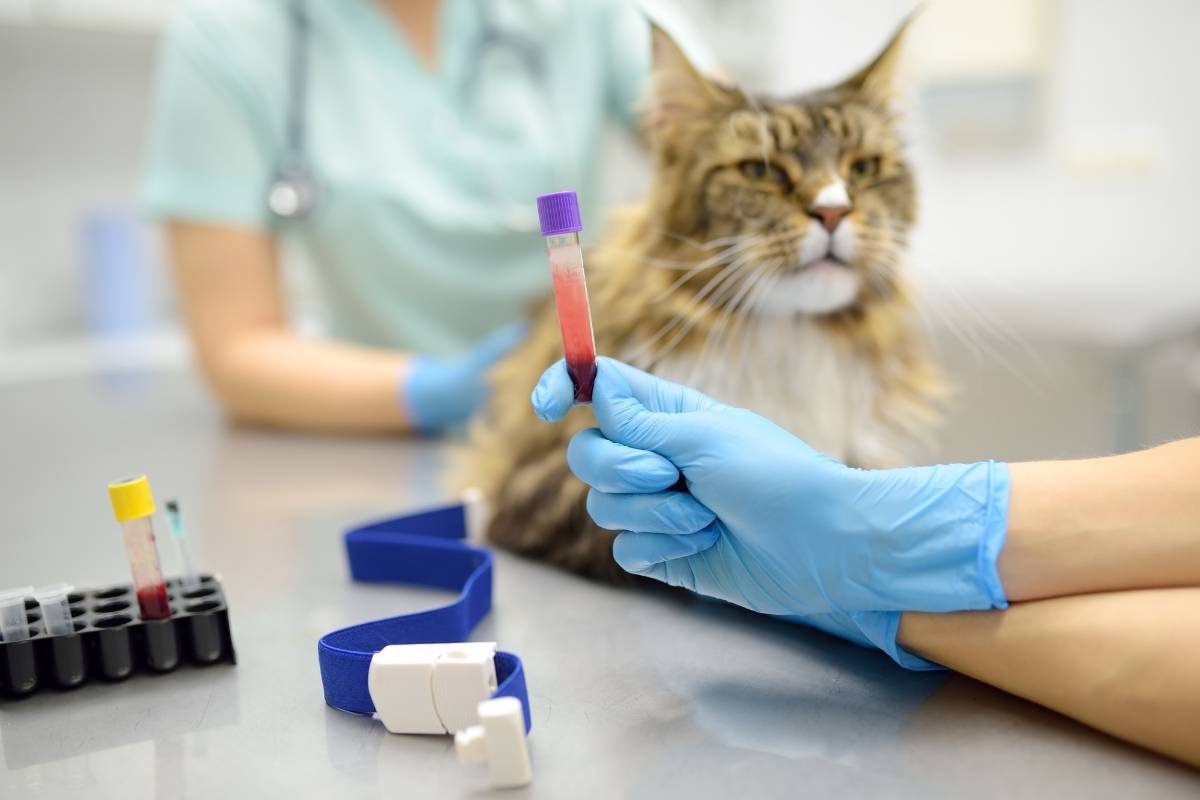
A blood evaluation serves as an internal window into how an animal’s body functions. While a physical examination lets a veterinarian check heart sounds, feel abdominal structures, and inspect coat condition, blood work reveals the invisible chemistry governing organ health.
Our vets often explain that routine or targeted blood panels can catch subtle metabolic shifts long before external symptoms appear. For instance, kidney or liver values may begin to creep upward months before a pet shows signs of increased thirst or decreased appetite. Evaluating these parameters early allows our veterinary practice to intervene before minor imbalances transform into severe, irreversible diseases.
Furthermore, blood work is essential when animals require anesthesia for dental procedures or surgeries. Pre-anesthetic screening ensures that internal organs can safely process medications, minimizing procedural risks and providing peace of mind for loving pet parents.
What Key Components Are Measured in a Blood Panel?
A standard veterinary blood workup typically includes two primary components: a Complete Blood Count (CBC) and a serum chemistry profile. Each section evaluates distinct aspects of physiological health.
Complete Blood Count (CBC)
The CBC measures cellular elements circulating in the bloodstream, providing crucial data regarding three major cell types:
- Red Blood Cells: Responsible for carrying oxygen throughout the body. Low counts indicate anemia, which can stem from blood loss, immune-mediated disease, or bone marrow suppression. High counts may point toward dehydration.
- White Blood Cells: The primary defenders against infection and inflammation. Elevated white blood cell counts typically signal an active infection, immune response, or stress, while low levels can indicate severe viral illness or compromised immunity.
- Platelets: Essential for normal blood clotting. Adequate platelet numbers ensure that minor injuries or surgical incisions stop bleeding appropriately.
Serum Chemistry Panel
The chemistry profile evaluates fluid and electrolyte balance alongside critical enzyme levels associated with specific internal organs:
- Kidney Markers (BUN and Creatinine): Assess how efficiently the kidneys filter waste products from the bloodstream.
- Liver Enzymes (ALT, AST, ALP): Highlight cellular inflammation or stress within the liver tissue.
- Blood Glucose: Measures circulating sugar levels, providing insight into potential diabetes or metabolic irregularities.
- Electrolytes (Sodium, Potassium, Chloride): Maintain proper hydration, acid-base balance, and muscle function.
Conditions and Diseases Uncovered Through Lab Testing
Blood tests play a pivotal role in identifying a wide array of systemic illnesses. Without laboratory evaluation, many of these conditions would remain hidden until the animal suffered advanced distress.
Metabolic disorders like diabetes mellitus frequently present with vague signs such as increased water consumption and weight loss, but a blood chemistry panel confirms elevated glucose levels definitively. Thyroid imbalances, common in middle-aged and senior dogs and cats, are similarly diagnosed by measuring specific hormone concentrations in the blood.
Additionally, vector-borne illnesses transmitted by parasites, such as tick-borne diseases or heartworm infections, alter blood chemistry and cellular parameters. Identifying these pathogens early through targeted testing allows our veterinary practice to initiate prompt medical protocols, protecting the patient from long-term organ damage.
The Emotional and Long-Term Advantages of Proactive Testing
Long-term wellness care does more than address immediate illness for a short time. It gives pets the chance to stay active, curious, and involved in everyday life as the months go by. Instead of slowing down prematurely, companions continue to explore, play, and enjoy familiar routines with a sense of ease that was once missing.
Keeping vitality strong becomes even more important as animals age, and their internal systems begin to change. Subtle internal declines can limit stamina, but the right diagnostic care approach helps veterinarians spot and address shifts before they interrupt daily comfort. With regular guidance from our veterinary practice, health monitoring plans can be adapted over time to meet changing needs and maintain optimal well-being.
Ongoing attention also helps prevent unexpected health setbacks that can disrupt a household. Regular wellness blood panels and prompt evaluations allow small concerns to be addressed before they grow into larger medical crises. This steady approach keeps pets feeling stable, comfortable, and ready to enjoy each day by your side.
Give Your Pet a Healthier Life Starting Today
Comprehensive testing can transform how veterinarians understand, manage, and protect animal health. With accurate laboratory insights, our veterinary practice uncovers hidden conditions and designs targeted plans to keep pets thriving. Dwight Veterinary Clinic provides advanced diagnostic services tailored to detect issues early and improve daily vitality, helping your companion live a longer, healthier life.
If you are in Dwight and looking for trusted diagnostic care or routine health screenings, contact us today. Our compassionate team will help evaluate your pet’s internal health, provide clear answers, and ensure your furry family member enjoys a vibrant, comfortable routine.
Frequently Asked Questions
Q1. How often should my healthy pet undergo blood work?
Ans. For adult pets, a baseline blood panel is often recommended during annual wellness visits to track normal parameters over time. Senior pets typically benefit from diagnostic blood screenings every six months, as age-related organ changes can occur rapidly.
Q2. Can blood work detect pain or discomfort in animals?
Ans. While blood tests do not measure pain directly, they reveal underlying inflammation, infection, organ stress, or metabolic imbalances that frequently cause physical discomfort. Our veterinary practice uses these diagnostic results alongside physical exams to pinpoint the root cause of your pet’s distress.
Q3. What happens if my pet’s blood test results are abnormal?
Ans. An abnormal result prompts our veterinary practice to investigate further, which may involve specialized lab work, imaging studies, or tailored treatment protocols. We take the time to explain every finding clearly and partner with you to create an effective care plan.
Q4. How does Dwight Veterinary Clinic perform blood tests for anxious pets?
Ans. Dwight Veterinary Clinic utilizes gentle handling techniques, fear-free handling methods, and a calm clinic environment to keep your pet relaxed during blood draws. Our experienced team works patiently to ensure the sample collection process is quick, safe, and as stress-free as possible.
Q5. Are there any special preparations required before my pet’s blood test?
Ans. Certain chemistry panels require your pet to fast for 8 to 12 hours prior to the appointment to ensure accurate glucose and lipid measurements. When you schedule your visit at Dwight Veterinary Clinic, our staff will provide clear, specific instructions tailored to the exact tests your companion needs.
Q6. Why should I choose Dwight Veterinary Clinic for my pet’s diagnostic needs?
Ans. Dwight Veterinary Clinic combines advanced in-house laboratory technology with decades of compassionate, community-focused veterinary experience. Our dedicated team treats every patient like family, offering thorough evaluations, transparent communication, and individualized care to ensure your pet’s optimal health.