We Will Be Closed Saturdays October 31 and November 14.


High liver enzymes in dogs can appear on routine bloodwork, sometimes before a pet shows any signs of illness. These results may indicate liver cell injury, changes in bile flow, medication effects, or another underlying health concern. Understanding what the numbers mean can help owners make informed decisions about their dog’s diagnostic care.
At Dwight Veterinary Clinic, diagnostic evaluations help veterinarians investigate changes in a dog’s health and determine whether further testing is needed. Elevated liver enzymes do not automatically mean severe liver disease. Their significance depends on the specific results, your dog’s symptoms, medical history, and physical examination.
What Are Liver Enzymes in Dogs?
Liver enzymes are proteins involved in chemical processes that support normal body function. When liver cells are injured or bile flow is disrupted, certain enzymes may enter the bloodstream and appear at increased levels.
Common liver-related enzymes include:
- ALT (alanine aminotransferase): Often increases when liver cells are damaged.
- AST (aspartate aminotransferase): May increase with liver or muscle injury.
- ALP (alkaline phosphatase): Can rise due to bile flow changes, certain medications, hormonal conditions, or other causes.
- GGT (gamma-glutamyl transferase): May help identify changes involving the liver and bile ducts.
These values provide useful clues, but no single enzyme result can confirm a specific disease.
Common Causes of High Liver Enzymes in Dogs
Several conditions and circumstances can contribute to elevated liver enzymes:
- Liver inflammation: Hepatitis and other inflammatory conditions can damage liver cells.
- Medication effects: Certain medications, including corticosteroids and some seizure-control drugs, may increase enzyme levels.
- Gallbladder or bile duct conditions: Problems affecting bile flow can raise enzymes such as ALP and GGT.
- Hormonal disorders: Cushing’s disease and other endocrine conditions may affect liver-related blood results.
- Toxin exposure: Some chemicals, plants, and medications can cause liver injury.
- Other illnesses: Pancreatitis, gastrointestinal disease, and muscle injury may also influence certain enzyme values.
A veterinarian considers these possibilities alongside the dog’s overall health before recommending treatment.
Symptoms of Elevated Liver Enzymes
Some dogs with high liver enzymes show no noticeable symptoms. In other cases, owners may observe:
- Reduced appetite or unexplained weight loss
- Vomiting or diarrhea
- Increased thirst or urination
- Tiredness or weakness
- Yellowing of the eyes, gums, or skin, known as jaundice
- Abdominal discomfort or swelling
Jaundice, repeated vomiting, severe weakness, collapse, or sudden changes in behavior warrant prompt veterinary attention.
What Do Blood Tests Reveal?
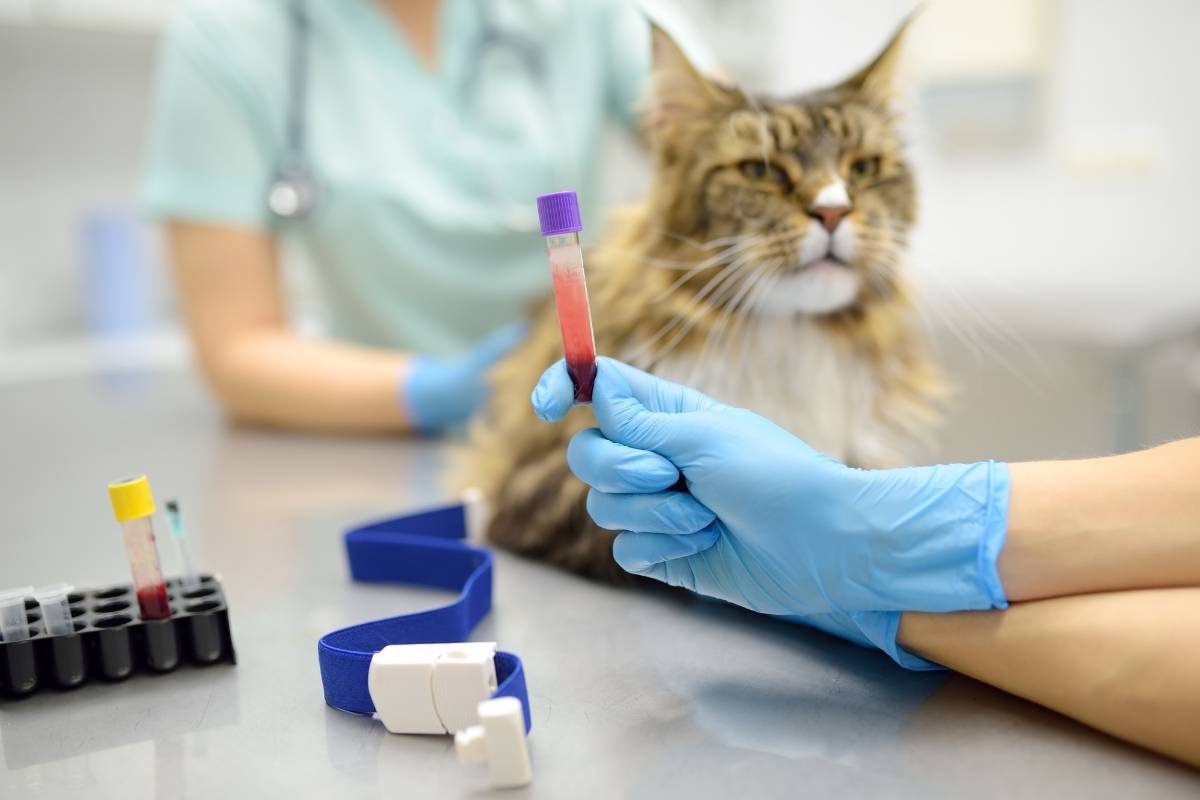
A blood chemistry panel can measure ALT, ALP, AST, bilirubin, albumin, glucose, and other values. The pattern of abnormalities helps veterinarians decide what to investigate next.
Additional tests may include:
- Complete blood count (CBC): Checks for changes such as anemia or signs of inflammation.
- Bile acid testing: May provide information about how effectively the liver performs certain functions.
- Urinalysis: Offers additional information about overall health.
- Ultrasound: Helps examine the liver, gallbladder, and surrounding abdominal organs.
- Follow-up bloodwork: Shows whether enzyme levels are improving, remaining elevated, or increasing.
Importantly, liver enzymes indicate possible cell injury or changes in enzyme production. They do not directly measure the liver’s overall functional capacity. Other test results and imaging may be needed to understand the underlying problem.
How Are High Liver Enzymes Managed?
Treatment depends on the cause. Some dogs may need medication adjustments, while others require treatment for an underlying infection, hormonal disorder, or liver condition. Dietary changes and regular monitoring may also be recommended.
Never stop prescribed medication or give liver supplements without veterinary guidance. Follow-up testing helps assess changes and determine whether additional evaluation is necessary.
High liver enzymes in dogs should be investigated carefully rather than treated as a diagnosis on their own. Appropriate testing, veterinary evaluation, and follow-up monitoring can help identify potential health concerns. If your dog has abnormal bloodwork or concerning symptoms, consult a vet near you. Pet owners in Dwight, IL can contact Dwight Veterinary Clinic to discuss their dog’s results and schedule an appointment.
FAQs:
Q1. Are high liver enzymes always a sign of liver disease?
Ans: No. Medication effects, hormonal disorders, muscle injury, and other illnesses can influence enzyme levels. Further evaluation helps identify the cause.
Q2. Can a dog have high liver enzymes without symptoms?
Ans: Yes. Some dogs appear healthy, and elevated enzyme levels are discovered during routine bloodwork.
Q3. Which liver enzyme is most important in dogs?
Ans: ALT is commonly used to identify liver cell injury. ALP, AST, and GGT provide additional information. No single result confirms a diagnosis.
Q4. Can high liver enzymes in dogs return to normal?
Ans: Yes, depending on the underlying cause and response to treatment. Follow-up blood tests help monitor progress.
Q5. Does a dog with high liver enzymes need an ultrasound?
Ans: Not always. A veterinarian may recommend an ultrasound when symptoms, examination findings, or bloodwork suggest that imaging could provide useful information.
Q6. How can Dwight Veterinary Clinic help dogs with elevated liver enzymes?
Ans: The clinic offers diagnostic support, including laboratory testing, digital X-rays, and ultrasound by appointment. A veterinarian can assess your dog’s health and recommend appropriate next steps.