We Will Be Closed Saturday, Oct 17 (no DVM coverage), as well as Saturdays Oct 31 & Nov 14.


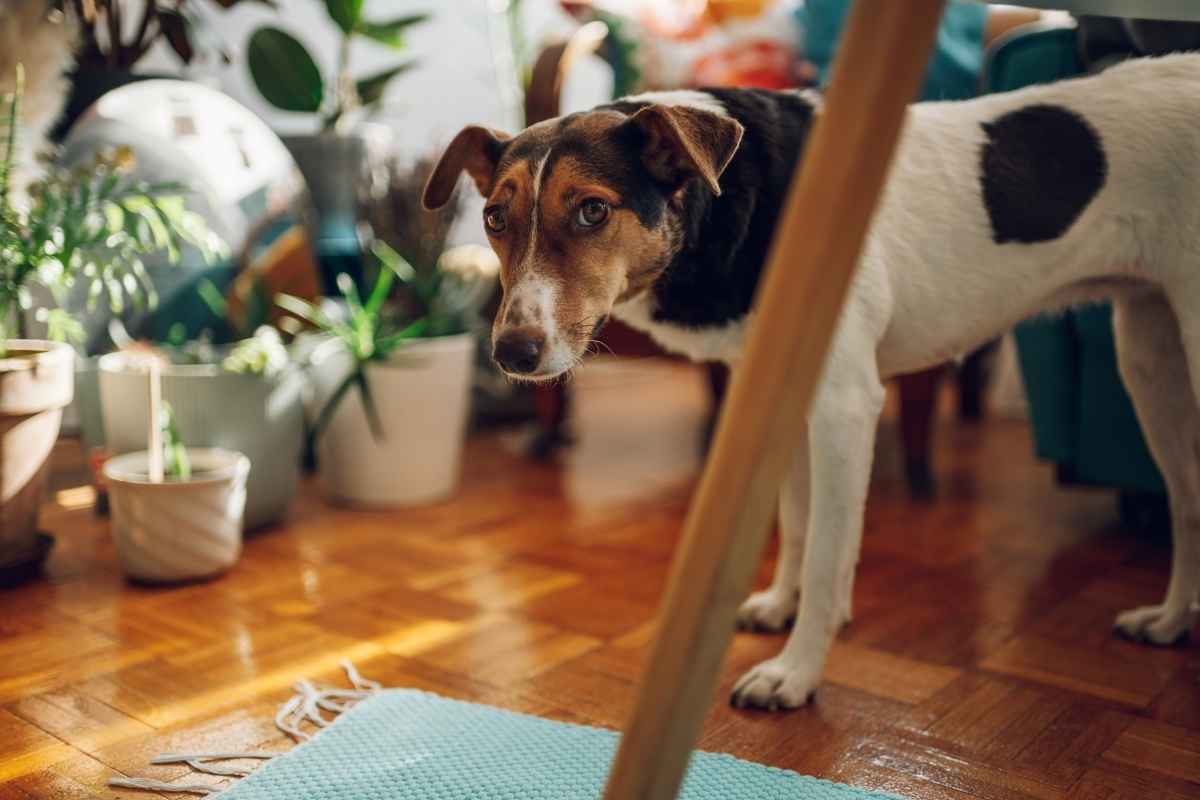
Hair loss in dogs can be alarming, especially if you notice bald patches, thinning fur, or excessive shedding around your home. While some hair loss is a normal part of your dog’s coat cycle, persistent or unusual hair loss may point to an underlying health issue that requires veterinary attention.
From allergies and parasites to hormonal disorders and skin infections, there are many possible reasons why your dog may be losing hair. Understanding the potential causes can help you recognize when it’s time to seek professional care and ensure your dog receives the right treatment.
In this guide, we’ll explore the most common causes of hair loss in dogs, warning signs to watch for, available treatment options, and ways to help keep your dog’s skin and coat healthy.
Is Hair Loss in Dogs Ever Normal?
Yes. Most dogs naturally shed old hair throughout the year, and many breeds experience heavier seasonal shedding during the spring and fall. This type of hair loss is typically even across the body and is replaced by new hair growth.
Normal shedding generally does not cause:
- Bald patches
- Red or irritated skin
- Constant scratching
- Sores or scabs
- Changes in skin color
If your dog’s hair loss is accompanied by any of these signs, it’s time to schedule a veterinary evaluation.
Common Signs That Hair Loss May Be a Medical Problem
Hair loss associated with illness often appears differently than normal shedding.
Watch for symptoms such as:
- Bald spots
- Patchy hair loss
- Excessive scratching
- Frequent licking or chewing
- Dry, flaky skin
- Redness or inflammation
- Thickened skin
- Unpleasant skin odor
- Scabs or crusts
- Skin sores
- Hair that does not grow back
These symptoms may indicate an underlying condition affecting your dog’s skin or overall health.
1. Allergies
Allergies are one of the leading causes of hair loss in dogs.
Dogs can develop allergies to:
- Environmental allergens like pollen, grass, or mold
- Dust mites
- Flea saliva
- Certain foods
- Household cleaning products
Allergies often cause intense itching, leading dogs to scratch, lick, or chew their skin excessively. Over time, this self-trauma results in thinning hair and bald areas.
Commonly affected areas include:
- Feet
- Belly
- Face
- Ears
- Tail base
2. Fleas and Other Parasites
External parasites are another frequent cause of hair loss.
Common parasites include:
- Fleas
- Mites
- Lice
- Ticks
Even a small number of fleas can trigger severe itching in dogs with flea allergy dermatitis. Mange mites can also cause widespread hair loss and skin irritation.
Year-round parasite prevention remains one of the best ways to protect your dog’s skin.
3. Skin Infections
Bacterial and fungal infections often develop after the skin becomes damaged from allergies or scratching.
Signs may include:
- Red skin
- Moist areas
- Crusts
- Hair loss
- Odor
- Pus-filled bumps
Ringworm, despite its name, is a fungal infection that commonly causes circular patches of hair loss.
Prompt diagnosis is important because some fungal infections can spread to other pets and people.
4. Hormonal Disorders
Certain endocrine diseases affect hair growth without causing much itching.
Common examples include:
Hypothyroidism
Low thyroid hormone levels can cause:
- Symmetrical hair loss
- Dry skin
- Weight gain
- Lethargy
Cushing’s Disease
Dogs with Cushing’s disease may experience:
- Thinning hair
- Fragile skin
- Increased thirst
- Increased urination
- Enlarged abdomen
Blood tests are often needed to diagnose these conditions accurately.
5. Nutritional Deficiencies
A healthy coat depends on proper nutrition.
Deficiencies in essential nutrients such as:
- Protein
- Omega-3 fatty acids
- Vitamins
- Minerals
can contribute to poor coat quality and excessive hair loss.
Feeding a complete, balanced diet appropriate for your dog’s life stage supports healthy skin and hair growth.
6. Stress and Anxiety
Emotional stress can sometimes lead to excessive licking or chewing, especially on the legs or paws.
Common triggers include:
- Moving to a new home
- Changes in routine
- Separation anxiety
- Introducing a new pet
- Loud noises
Behavioral hair loss should always be evaluated to rule out medical causes first.
7. Hot Spots
Hot spots are painful areas of inflamed skin that develop rapidly after excessive licking or scratching.
They often appear on:
- Neck
- Hips
- Face
- Legs
Without treatment, hot spots can worsen quickly and lead to significant hair loss.
8. Genetic or Breed-Related Hair Loss
Some breeds are naturally predisposed to certain forms of hair loss.
Examples include:
- Dachshunds
- Chihuahuas
- Boxers
- Doberman Pinschers
Breed-related conditions may require ongoing management rather than a permanent cure.
9. Underlying Medical Conditions
Hair loss may also occur secondary to illnesses affecting the immune system or other organs.
Less common causes include:
- Autoimmune diseases
- Certain cancers
- Chronic inflammatory disorders
- Rare genetic conditions
Because many diseases can appear similar, professional diagnosis is essential.
How Veterinarians Diagnose Hair Loss
Diagnosing the underlying cause often requires more than a visual examination.
Depending on your dog’s symptoms, your veterinarian may recommend:
- Complete physical examination
- Skin scraping
- Microscopic evaluation
- Fungal culture
- Allergy testing
- Bloodwork
- Urinalysis
- Skin biopsy
These tests help identify the root cause so treatment can be tailored to your dog’s specific condition.
Treatment Depends on the Underlying Cause
Hair loss is a symptom, not a disease itself.
Treatment may include:
- Prescription medications
- Flea and tick prevention
- Antibiotics
- Antifungal medications
- Allergy management
- Medicated shampoos
- Nutritional adjustments
- Hormone replacement therapy
- Behavioral management
Because every dog is different, treatment plans should always be individualized.
Caring for Your Dog at Home
Supporting your dog’s skin health starts with daily care.
Helpful practices include:
- Feeding a balanced diet
- Using year-round parasite prevention
- Brushing regularly
- Bathing only as recommended
- Monitoring for skin changes
- Preventing excessive scratching
- Scheduling routine wellness visits
Early intervention often leads to faster recovery.
When Should You Visit a Veterinarian?
Hair loss should never be ignored if it is accompanied by other symptoms.
Schedule an examination if your dog has:
- Bald patches
- Persistent itching
- Red or inflamed skin
- Open sores
- Foul odor
- Hair loss lasting more than a few weeks
- Changes in appetite or energy
- Weight gain or weight loss
- Thickened skin
Prompt evaluation helps prevent minor skin problems from becoming more serious.
Why Early Diagnosis Matters
Many skin conditions become more difficult to treat the longer they go untreated.
Visiting a trusted veterinary hospital early allows your veterinarian to identify the cause of hair loss before complications such as secondary infections or chronic skin damage develop.
Whether the problem is related to allergies, parasites, hormonal disease, or another condition, a veterinary hospital has the diagnostic tools needed to determine the most appropriate treatment plan.
Preventing Hair Loss When Possible
Although not every cause is preventable, you can reduce your dog’s risk by:
- Keeping parasite prevention current
- Feeding high-quality nutrition
- Scheduling routine wellness exams
- Grooming regularly
- Managing allergies promptly
- Monitoring your dog’s skin throughout the year
Consistent preventive care plays a major role in maintaining healthy skin and a shiny coat.
Hair loss in dogs can result from a wide range of conditions, from seasonal shedding and allergies to hormonal disorders and skin infections. Because many causes share similar symptoms, obtaining an accurate diagnosis is the best way to ensure your dog receives effective treatment. Paying attention to changes in your dog’s skin and coat and seeking veterinary care early can help prevent discomfort and support long-term health.
If you’re in Dwight, IL and need guidance from a veterinarian near you about your dog’s hair loss or skin health, schedule your appointment with Dwight Veterinary Clinic. Our team will evaluate your dog’s condition, identify the underlying cause, and create a personalized treatment plan to help them enjoy healthier skin and a fuller coat.
FAQs
Q1. Is it normal for dogs to lose hair?
Ans: Yes. Seasonal shedding is normal for many dogs. However, bald patches, excessive itching, or skin irritation may indicate an underlying medical condition that should be evaluated by a veterinarian.
Q2. Can allergies cause hair loss in dogs?
Ans: Yes. Environmental allergies, flea allergies, and food allergies commonly cause itching that leads to excessive scratching, licking, and hair loss.
Q3. Will my dog’s hair grow back?
Ans: In many cases, hair regrows once the underlying cause is identified and treated. Recovery time depends on the specific condition and your dog’s overall health.
Q4. What tests are used to diagnose hair loss?
Ans: Your veterinarian may recommend skin scrapings, bloodwork, fungal cultures, allergy testing, or skin biopsies depending on your dog’s symptoms.
Q5. When should I take my dog to the veterinarian for hair loss?
Ans: Schedule a visit if your dog has bald patches, persistent scratching, red skin, sores, unusual odor, or hair loss that continues for more than a few weeks.
Q6. Can poor nutrition cause hair loss in dogs?
Ans: Yes. Diets lacking essential nutrients, including protein and healthy fatty acids, can contribute to poor coat quality and excessive hair loss.