We Will Be Closed Saturday, Oct 17 (no DVM coverage), as well as Saturdays Oct 31 & Nov 14.


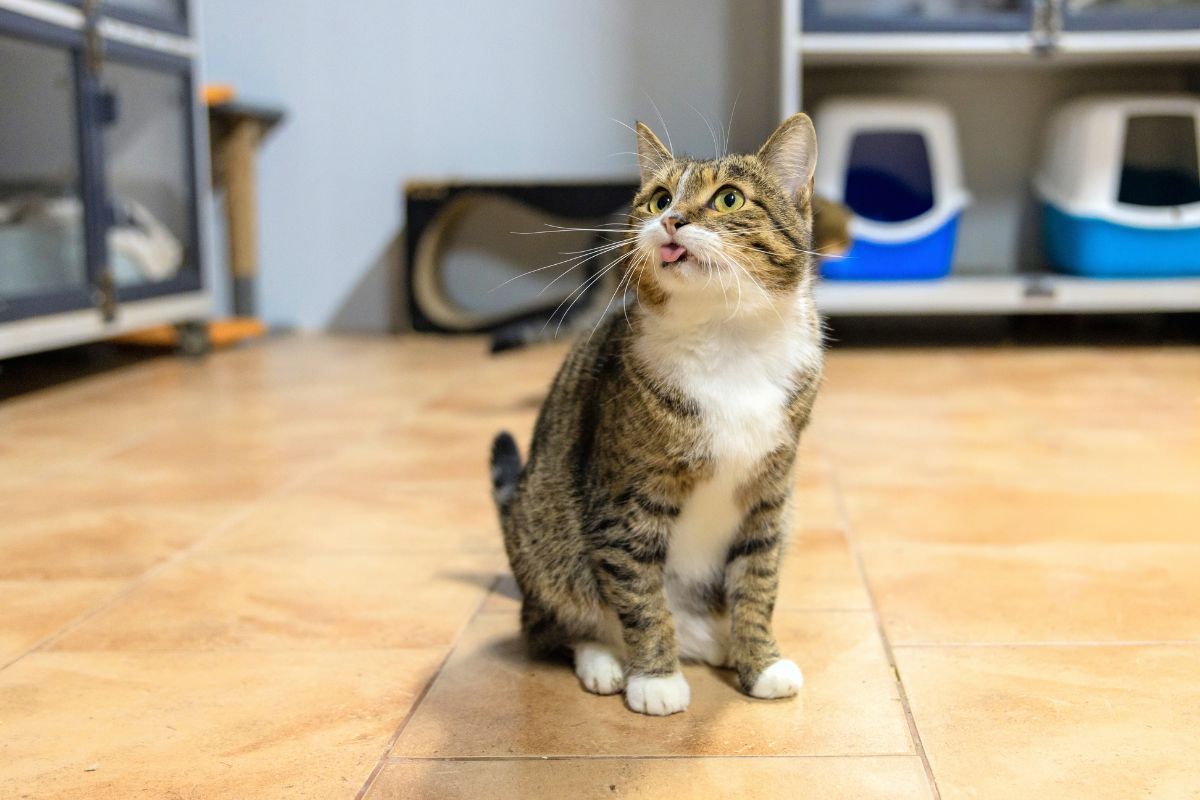
Hyperthyroidism is one of the most common endocrine disorders diagnosed in older cats. The condition occurs when the thyroid glands produce excessive amounts of thyroid hormone, causing the body’s metabolism to run faster than normal. Because the changes can develop gradually, some cats continue acting energetic and eating well even while their health is being affected.
For cat owners, recognizing the early signs can make a meaningful difference. Weight loss, increased appetite, excessive thirst, frequent urination, vomiting, diarrhea, and changes in behavior may all be clues that something is wrong. A timely veterinary examination can help identify the cause and determine whether thyroid disease is involved.
Veterinary diagnostics can play an important role in confirming hyperthyroidism and evaluating how the condition may be affecting other organs. Understanding why this disease occurs, which cats are most at risk, and what symptoms to watch for can help owners make informed decisions about their cat’s health.
What Is Hyperthyroidism in Cats?
Hyperthyroidism occurs when one or both thyroid glands become overactive and produce too much thyroid hormone. These hormones influence metabolism, heart rate, digestion, and several other body functions.
In most affected cats, the condition is associated with a benign enlargement of thyroid tissue. Less commonly, a malignant thyroid tumor may be responsible.
Hyperthyroidism is primarily diagnosed in middle-aged and senior cats. Although it can affect cats of different ages, the risk increases as cats get older.
The condition is treatable, but leaving it unmanaged can place additional strain on the heart, kidneys, and other organs.
Why Is Hyperthyroidism So Common in Older Cats?
Veterinarians have diagnosed feline hyperthyroidism with increasing frequency since it was first widely recognized in cats several decades ago. Researchers have investigated numerous possible contributing factors, but there is no single confirmed cause that explains every case.
Age is one of the strongest known risk factors.
As cats grow older, changes can occur within the thyroid glands. In many cats with hyperthyroidism, the thyroid tissue becomes enlarged and begins producing excessive hormone.
Researchers have also investigated possible environmental and dietary factors, including exposure to certain household chemicals and compounds found in some foods or consumer products. However, the exact relationship between these factors and feline hyperthyroidism remains an area of ongoing research.
Therefore, owners should not assume that one specific food, product, or lifestyle factor caused their cat’s disease.
What Are the Most Common Signs of Hyperthyroidism?
Hyperthyroidism can produce several noticeable changes. However, not every cat develops the same symptoms.
1. Unexplained Weight Loss
Weight loss is one of the classic signs of feline hyperthyroidism.
An affected cat may continue eating normally or even develop an increased appetite while losing weight. The thyroid hormones accelerate metabolism, meaning the body may burn energy at an unusually high rate.
Owners may notice that their cat feels thinner when being picked up or that the ribs, spine, or hip bones have become easier to feel.
Any unexplained weight loss in an adult or senior cat deserves veterinary attention.
2. Increased Appetite
A cat with hyperthyroidism may seem unusually hungry.
You might notice your cat asking for food more frequently, finishing meals faster, begging for table food, or becoming more persistent around feeding times.
The combination of increased appetite and weight loss is particularly important because it can point toward metabolic disease.
However, hyperthyroidism is not the only possible explanation. Diabetes, gastrointestinal disorders, parasites, and other health conditions can also cause changes in appetite and body weight.
3. Increased Thirst and Urination
Some hyperthyroid cats drink more water and urinate more frequently.
These changes can occur because increased thyroid activity affects metabolism and can interact with kidney function. Additionally, other conditions commonly found in older cats, including chronic kidney disease and diabetes, can produce similar symptoms.
Consequently, increased thirst should not automatically be attributed to hyperthyroidism.
4. Vomiting and Diarrhea
Digestive problems are also possible.
Some cats may vomit more frequently or develop loose stools. Faster gastrointestinal activity and increased food intake may contribute to these changes.
Occasional vomiting can happen for many reasons, but persistent vomiting or diarrhea combined with weight loss warrants veterinary evaluation.
5. Restlessness or Hyperactivity
Some cats with hyperthyroidism become noticeably more active.
A normally calm senior cat may begin pacing, wandering around the house, vocalizing more often, or appearing unable to settle comfortably.
This change can be surprising for owners who associate older cats with lower activity levels.
6. Increased Vocalization
Some hyperthyroid cats become more vocal, especially at night.
They may meow more frequently, appear restless, or demand attention. While behavioral changes can have many causes, a new pattern of excessive vocalization in an older cat should be discussed with a veterinarian.
7. Poor or Unkempt Coat
Hyperthyroidism can affect the appearance of a cat’s coat.
Some cats develop a greasy, matted, or unkempt appearance because they groom differently or experience changes associated with their illness.
A coat that suddenly looks different can be an additional clue when combined with weight loss or appetite changes.
8. Rapid Heart Rate
Excess thyroid hormone can increase heart rate and place additional demands on the cardiovascular system.
A veterinarian may detect an unusually fast heartbeat during a physical examination. Some cats may also develop high blood pressure or heart-related changes.
This is one reason diagnosing and managing hyperthyroidism is important even when a cat appears energetic.
Can Hyperthyroidism Cause Serious Health Problems?
Yes. Although many cats with hyperthyroidism remain active, untreated disease can affect multiple body systems.
Potential complications include:
- High blood pressure
- Heart disease
- Muscle loss
- Progressive weight loss
- Kidney-related complications
- Poor body condition
- Digestive problems
- Reduced quality of life
The cardiovascular effects are particularly important. Excess thyroid hormone can increase the heart’s workload, potentially contributing to changes in heart muscle and function.
Fortunately, treatment can often improve many of these effects.
How Is Hyperthyroidism Diagnosed?
Diagnosis usually begins with a physical examination and detailed medical history.
Your veterinarian may ask about:
- Weight changes
- Appetite
- Water consumption
- Urination
- Vomiting
- Stool changes
- Activity
- Vocalization
- Medication use
- Previous medical conditions
During the physical examination, the veterinarian may check your cat’s heart rate, body condition, blood pressure, and thyroid glands.
A blood test measuring total thyroxine, commonly called T4, is often an important part of the diagnostic process. Additional testing may be recommended when results are unclear or when another illness may be present.
Veterinary diagnostics may also help assess kidney function, liver values, blood cells, urine, and other indicators of overall health. This broader evaluation matters because hyperthyroidism frequently occurs in older cats that may have more than one health condition.
Why Are Kidney Tests Important?
Kidney health deserves special consideration when a cat is diagnosed with hyperthyroidism.
Hyperthyroidism can increase blood flow through the kidneys, which may temporarily affect how kidney function appears on laboratory testing. Once thyroid hormone levels return toward normal, previously hidden kidney disease may become more apparent.
This does not mean treating hyperthyroidism causes kidney disease. Instead, the relationship between thyroid function and kidney performance means veterinarians often monitor both conditions carefully.
Your veterinarian can recommend appropriate follow-up testing based on your cat’s age, symptoms, laboratory results, and treatment plan.
How Is Feline Hyperthyroidism Treated?
Several treatment options are available, and the best choice depends on the individual cat.
Medication
Anti-thyroid medication can reduce thyroid hormone production. It may be available in oral or other formulations, depending on veterinary recommendations.
Medication does not permanently remove the abnormal thyroid tissue, so regular monitoring is important.
Radioactive Iodine Therapy
Radioactive iodine therapy targets overactive thyroid tissue while generally preserving normal thyroid tissue.
It can provide a definitive treatment for many cats, although availability, cost, facility requirements, and individual patient factors can influence whether it is appropriate.
Dietary Management
Special therapeutic diets with restricted iodine may help control thyroid hormone production in some cats.
For this approach to work properly, the cat generally needs to eat the prescribed diet exclusively. Other foods, treats, or supplements may interfere with the nutritional strategy.
Surgery
Surgical removal of abnormal thyroid tissue may be appropriate for selected patients. However, surgery requires careful evaluation, particularly in older cats or cats with other medical conditions.
Your veterinarian can discuss the potential benefits, risks, monitoring requirements, and practical considerations of each option.
What Should Cat Owners Watch for at Home?
If you have a middle-aged or senior cat, monitoring small changes can help you recognize potential health concerns sooner.
Keep track of:
- Body weight
- Appetite
- Water intake
- Urination
- Vomiting
- Stool consistency
- Activity level
- Grooming
- Vocalization
- Breathing
- Sleeping patterns
A simple record can help your veterinarian identify trends that may otherwise be difficult to remember.
Regular wellness examinations are also valuable because cats can hide illness surprisingly well.
When Should You Contact a Veterinarian?
Make an appointment if your cat has unexplained weight loss, particularly when it occurs alongside increased appetite, thirst, urination, vomiting, diarrhea, restlessness, or behavioral changes.
Prompt veterinary attention is especially important if your cat develops severe weakness, difficulty breathing, collapse, repeated vomiting, or other significant changes.
Hyperthyroidism is treatable, and early evaluation can help determine what is causing your cat’s symptoms before complications become more difficult to manage.
Helping Your Cat Stay Healthy as They Age
Hyperthyroidism is common in older cats, but aging does not mean that weight loss, excessive hunger, or increased thirst should simply be accepted as normal.
Regular veterinary examinations provide an opportunity to monitor weight, heart function, blood pressure, thyroid health, kidney function, and other aspects of wellness. When changes are detected early, your veterinarian can investigate them and discuss appropriate treatment options.
If your cat is showing signs that could indicate thyroid disease, schedule your appointment with Dwight Veterinary Clinic for a comprehensive evaluation. Early assessment can help determine whether hyperthyroidism or another medical condition is responsible for the changes you are seeing.
FAQs:
Q1. What are the first signs of hyperthyroidism in cats?
Ans: Common early signs include unexplained weight loss despite a normal or increased appetite, increased thirst, frequent urination, restlessness, increased vocalization, vomiting, diarrhea, and changes in coat quality. Cats do not always develop every symptom.
Q2. Why does hyperthyroidism cause weight loss in cats?
Ans: Excess thyroid hormone increases metabolic activity, causing the body to use energy more quickly. As a result, a cat may lose weight even while eating normally or consuming more food than usual.
Q3. Is hyperthyroidism common in senior cats?
Ans: Yes. Feline hyperthyroidism is particularly common in middle-aged and older cats. The condition is usually associated with an enlargement of thyroid tissue that causes excessive thyroid hormone production.
Q4. Can hyperthyroidism in cats be cured?
Ans: Several treatment options can control the disease, and some approaches can provide a definitive solution. Radioactive iodine therapy, surgery, medication, and specialized dietary management may be considered depending on the cat’s health and individual circumstances.
Q5. Can hyperthyroidism affect a cat’s kidneys?
Ans: Hyperthyroidism can influence kidney function and may make underlying kidney disease more difficult to recognize initially. For this reason, veterinarians commonly monitor kidney-related blood and urine measurements during the diagnosis and management of hyperthyroidism.
Q6. Should I take my cat to the veterinarian for unexplained weight loss?
Ans: Yes. Unexplained weight loss should be evaluated, particularly in middle-aged and senior cats. Hyperthyroidism is one possible cause, but kidney disease, diabetes, gastrointestinal disorders, cancer, dental disease, and other conditions can produce similar changes.