We Will Be Closed Saturday, Oct 17 (no DVM coverage), as well as Saturdays Oct 31 & Nov 14.


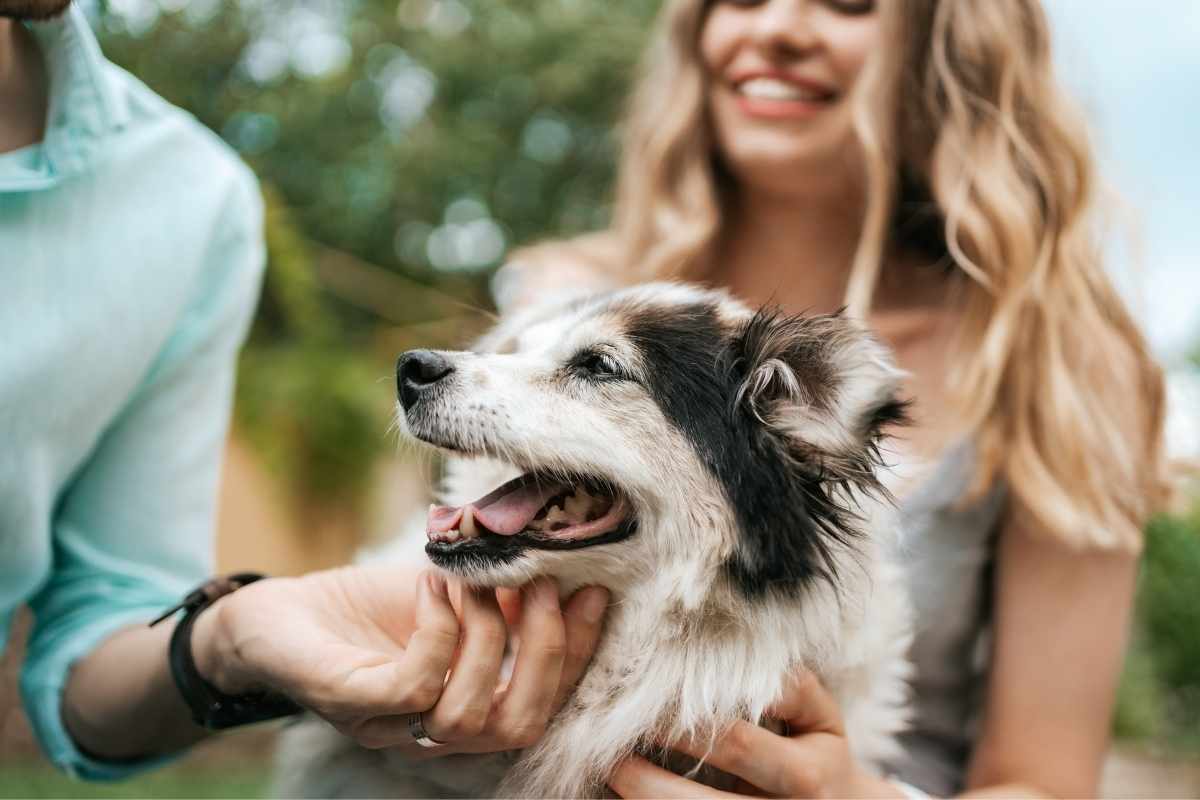
Every dog owner wants their furry companion to live a long, healthy, and active life. While genetics play a role in overall health, many aspects of your dog’s wellbeing are influenced by everyday care and preventive health practices.
This guide covers vet-approved ways to keep your dog healthy, from proper nutrition and regular exercise to preventive healthcare and mental enrichment. By focusing on these essential areas, you can help your dog thrive through every stage of life.
Why Preventive Care Matters
Keeping your dog healthy is about more than treating illnesses when they occur. Preventive care helps identify potential concerns early and supports long-term wellness.
Benefits of preventive care include:
- Early disease detection
- Better weight management
- Improved quality of life
- Reduced risk of preventable illnesses
- Longer lifespan
Consistent healthy habits can make a significant difference in your dog’s overall well-being.
Feed a Balanced and Nutritious Diet
Nutrition is the foundation of good health. Dogs require balanced diets that provide:
- High-quality protein
- Healthy fats
- Essential vitamins
- Important minerals
- Appropriate calorie levels
Choose a diet that matches your dog’s:
- Age
- Breed size
- Activity level
- Health status
Avoid excessive table scraps and treats, as these can contribute to weight gain and nutritional imbalances.
Maintain a Healthy Weight
Obesity is one of the most common health concerns affecting dogs today.
Excess weight can increase the risk of:
- Arthritis
- Diabetes
- Heart disease
- Joint problems
- Reduced mobility
You should be able to feel your dog’s ribs without excessive fat covering them. Routine weight monitoring can help identify concerns before they become serious.
Make Exercise a Daily Priority
Regular physical activity is essential for maintaining a healthy body and mind.
Exercise helps:
- Support cardiovascular health
- Maintain muscle mass
- Burn excess calories
- Reduce boredom
- Improve behavior
Activities may include:
- Daily walks
- Fetch sessions
- Hiking
- Swimming
- Interactive play
The ideal amount of exercise varies depending on your dog’s age, breed, and energy level.
Keep Up With Routine Wellness Exams
Regular wellness visits allow veterinary professionals to monitor your dog’s health and detect problems early.
During these visits, your pet may receive:
- Physical examinations
- Vaccination updates
- Parasite screenings
- Nutritional guidance
- Health recommendations
Routine checkups often help identify issues before noticeable symptoms appear.
Protect Against Parasites
Parasites can affect dogs year-round.
Common concerns include:
- Fleas
- Ticks
- Heartworms
- Intestinal parasites
Preventive medications help reduce the risk of infection and disease transmission.
Consistent parasite prevention is one of the simplest ways to protect your dog’s health.
Do Not Overlook Dental Care
Pet owners often overlook oral health.
Dental disease can lead to:
- Bad breath
- Pain
- Tooth loss
- Difficulty eating
- Systemic health complications
Good dental care habits include:
- Regular tooth brushing
- Dental chews
- Professional dental evaluations
- Routine dental cleanings when recommended
Healthy teeth and gums contribute to overall wellness.
Support Your Dog’s Mental Health
Mental stimulation is just as important as physical exercise.
Dogs need opportunities to engage their minds through:
- Training sessions
- Puzzle toys
- Food enrichment activities
- Interactive games
- Social interaction
Mental enrichment helps reduce boredom and may prevent unwanted behaviors.
Watch for Changes in Behavior
Behavioral changes can sometimes be early indicators of health concerns.
Pay attention to:
- Appetite changes
- Increased thirst
- Lethargy
- Anxiety
- Changes in bathroom habits
- Reduced activity levels
If you notice unusual changes, discussing them during a wellness visit can help identify potential issues.
Create a Safe Home Environment
A safe environment helps prevent accidents and injuries.
Important safety measures include:
- Securing toxic substances
- Keeping medications out of reach
- Using pet-safe plants
- Providing appropriate toys
- Maintaining secure fencing
Simple precautions can significantly reduce the risk of emergencies.
Keep Grooming Part of Your Routine
Regular grooming does more than keep your dog looking their best.
Grooming helps you monitor:
- Skin health
- Coat condition
- Ear health
- Nail length
- Unusual lumps or bumps
Many health concerns are discovered during routine grooming sessions.
Build a Long-Term Healthcare Plan
As dogs age, their healthcare needs change.
Working closely with your pet care team helps ensure your dog receives appropriate preventive care throughout every life stage. A trusted veterinarian can provide personalized recommendations based on your dog’s breed, age, lifestyle, and medical history.
Proactive healthcare planning often leads to better long-term outcomes and improved quality of life.
Know When to Seek Medical Attention
While preventive care is essential, recognizing signs of illness is equally important.
Contact your veterinary team if your dog experiences:
- Persistent vomiting
- Diarrhea
- Difficulty breathing
- Sudden lethargy
- Loss of appetite
- Unexplained weight loss
Prompt evaluation can often prevent more serious complications.
Healthy Habits Today, Better Health Tomorrow
Keeping your dog healthy involves a combination of proper nutrition, regular exercise, preventive healthcare, dental care, mental stimulation, and routine wellness monitoring. Small daily habits can have a lasting impact on your dog’s comfort, happiness, and longevity.
For professional dog wellness and preventive care services in Dwight, book an appointment with Dwight Veterinary Clinic. Our team is dedicated to helping your canine companion enjoy a healthy, active life at every stage.
FAQs
Q1: What is the most important thing I can do to keep my dog healthy?
Ans. Providing balanced nutrition, regular exercise, preventive healthcare, and routine wellness exams are among the most important steps for maintaining your dog’s health.
Q2: How often should my dog visit the vet?
Ans. Most healthy adult dogs benefit from annual wellness exams, while puppies, senior dogs, and pets with medical conditions may require more frequent visits.
Q3: Why is dental care important for dogs?
Ans. Dental care helps prevent periodontal disease, tooth loss, pain, and other health complications that can affect your dog’s overall well-being.
Q4: How much exercise does my dog need?
Ans. Exercise needs vary by breed, age, and health status, but most dogs benefit from daily physical activity and mental enrichment.
Q5: What are early signs that my dog may be sick?
Ans. Common warning signs include changes in appetite, weight loss, lethargy, vomiting, diarrhea, excessive thirst, and behavioral changes.