We Will Be Closed Saturday, Oct 17 (no DVM coverage), as well as Saturdays Oct 31 & Nov 14.


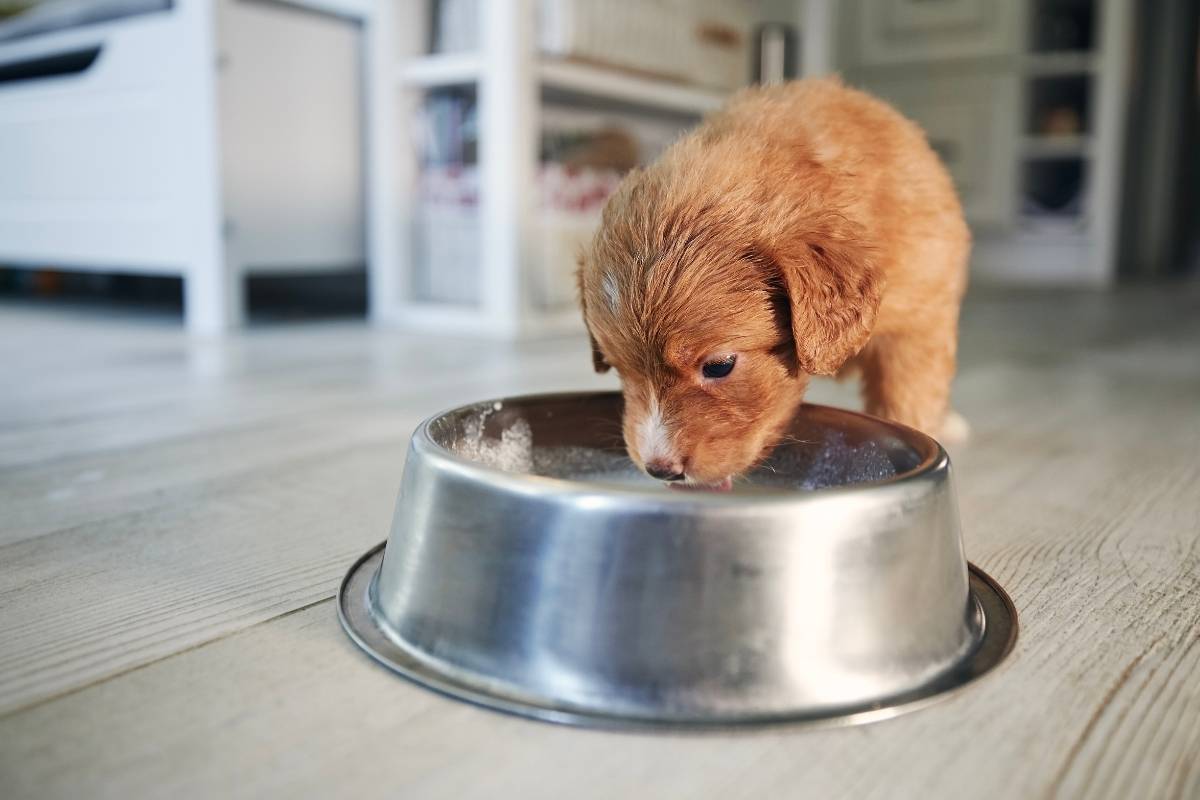
Feeding a picky puppy can be a frustrating experience for many pet owners, especially when you’re unsure which type of food will meet their nutritional needs and appeal to their taste preferences. At Dwight Veterinary Clinic, we understand that choosing the right diet is an essential part of raising a healthy and happy puppy. Whether you’re considering wet food, dry food, or a combination of both, each option has its own benefits. This guide will help you compare wet vs. dry puppy food for picky eaters and make an informed decision, especially for pet owners in Dwight, IL.
Why Puppies Can Be Picky Eaters
Puppies may become selective about their food for several reasons:
- Sensitivity to texture or smell
- Frequent changes in diet
- Overfeeding treats or table scraps
- Stress or environmental changes
Understanding the cause of picky eating is the first step in improving your puppy’s feeding habits.
Wet Puppy Food: Pros and Cons
Benefits of Wet Food
Wet food is often more appealing to picky eaters due to its aroma and texture.
- Highly palatable: Strong smell and soft texture attract puppies
- Easier to chew: Ideal for young puppies or those with dental sensitivity
- Hydration support: Contains higher moisture content
Drawbacks of Wet Food
- Can be more expensive than dry food
- Spoils quickly if left out
- May contribute to dental buildup without proper care
Dry Puppy Food: Pros and Cons
Benefits of Dry Food
Dry food, or kibble, is a popular choice for many pet owners.
- Convenient and cost-effective
- Supports dental health by reducing plaque buildup
- Easy to store and measure
Drawbacks of Dry Food
- Less appealing for picky eaters
- A harder texture may be challenging for very young puppies
- Lower moisture content
Wet vs. Dry Puppy Food: Key Differences
| Feature | Wet Food | Dry Food |
| Taste & Smell | Highly appealing | Less aromatic |
| Texture | Soft | Crunchy |
| Cost | Higher | More affordable |
| Shelf Life | Short once opened | Long-lasting |
| Dental Benefits | Limited | Supports oral health |
Both options can provide complete nutrition when properly formulated, but the best choice depends on your puppy’s preferences and needs.
Which Is Better for Picky Puppies?
For picky eaters, wet food is often more appealing due to its flavor and texture. However, many puppies can adapt to dry food with the right approach.
Tips to Encourage Eating:
- Mix wet and dry food to enhance flavor
- Warm the food slightly to increase the aroma
- Maintain a consistent feeding schedule
- Limit treats between meals
These strategies can help improve your puppy’s interest in food while maintaining balanced puppy care.
Can You Combine Wet and Dry Food?
Yes, combining both types of food can offer the benefits of each:
- Improved taste and texture
- Balanced nutrition
- Added variety to prevent boredom
This approach can be especially helpful for picky eaters who need encouragement to eat regularly.
How to Transition Between Foods
If you decide to switch your puppy’s diet, do so gradually over 7–10 days:
- Start with a small amount of the new food
- Gradually increase the portion
- Monitor for digestive changes
A slow transition helps prevent stomach upset and ensures a smooth adjustment.
The Role of Proper Puppy Care
Nutrition is a key part of overall puppy care, but it should be combined with:
- Regular veterinary check-ups
- Proper training and socialization
- Consistent feeding routines
These factors work together to support your puppy’s growth and long-term health.
When to Consult a Veterinarian
You should seek professional advice if your puppy:
- Consistently refuses to eat
- Shows signs of weight loss
- Has digestive issues
- Appears lethargic
A veterinarian can help identify underlying causes and recommend the best diet for your puppy.
Choosing between wet and dry puppy food for picky eaters depends on your puppy’s preferences, nutritional needs, and lifestyle. While wet food may be more appealing, dry food offers convenience and dental benefits. In many cases, a combination of both can provide the best results. Understanding your puppy’s behavior and maintaining a consistent feeding routine are essential for success.
Caring for a picky puppy requires patience and the right approach. If you need guidance on your puppy’s diet or overall health, you can schedule your appointment at Dwight Veterinary Clinic. If you’re in Dwight, IL, working with a trusted veterinary team can help ensure your puppy receives the proper nutrition and care they need to thrive.
FAQs:
Q1. Is wet or dry food better for picky puppies?
Ans. Wet food is usually more appealing, but a mix of both can work well.
Q2. Can I mix wet and dry puppy food?
Ans. Yes, combining both can improve taste and provide balanced nutrition.
Q3. How often should I feed my puppy?
Ans. Most puppies need 2–3 meals per day, depending on age and size.
Q4. Why is my puppy refusing dry food?
Ans. It may be due to texture, taste, or previous feeding habits.
Q5. How do I switch my puppy’s food safely?
Ans. Gradually transition over 7–10 days to avoid digestive issues.
Q6. When should I see a vet for picky eating?
If your puppy refuses food for more than 24–48 hours or shows other symptoms.