We Will Be Closed Saturday, Oct 17 (no DVM coverage), as well as Saturdays Oct 31 & Nov 14.


When pets are injured or recovering from surgery, owners naturally want relief to come quickly. Fortunately, modern veterinary medicine offers new ways to ease discomfort and support healing. One of the most effective options available today is veterinary laser therapy.
This treatment uses focused light energy to stimulate healing inside the body. Instead of relying only on medication, veterinarians can help damaged tissues repair faster and more comfortably. As a result, dogs and cats often regain mobility sooner and return to their normal routines. For pet families in Dwight, IL, understanding this therapy can help you make informed decisions about your companion’s recovery and comfort.
What Is Veterinary Laser Therapy?
Veterinary Laser Therapy is a non-invasive treatment that uses specific wavelengths of light to penetrate the skin and reach underlying tissues. The light energy stimulates cells, improves circulation, and reduces inflammation.
Unlike surgical lasers that cut tissue, therapeutic lasers do not create heat damage. Instead, they trigger biological processes within muscles, joints, and nerves. The body responds by accelerating natural healing.
In simple terms, the therapy activates cells so they can repair themselves more efficiently.
How the Treatment Works Inside the Body
When laser light reaches the affected area, it interacts with cells at a microscopic level. The cells then produce more energy molecules called ATP. These molecules power cellular activity and tissue repair.
Because of this process:
- Blood flow increases
- Oxygen reaches damaged tissues
- Swelling decreases
- Nerve sensitivity reduces
Therefore, pets experience less pain while tissues recover more quickly.
The therapy can target many body areas, including the neck, spine, hips, knees, paws, and muscles.
Conditions Commonly Treated
Laser therapy is versatile and helps pets with both short-term injuries and chronic conditions.
Post-Surgical Recovery
After surgery, tissues need time to heal. Laser therapy reduces swelling around incision sites and supports faster recovery of the skin and muscles.
Arthritis and Joint Pain
Older pets frequently develop inflammation in the hips and knees. The treatment reduces stiffness and improves joint flexibility.
Soft Tissue Injuries
Sprains, strains, and ligament injuries respond well because increased circulation nourishes damaged fibers.
Back and Neck Pain
Inflammation along the spine often causes difficulty standing or walking. The therapy calms irritated nerves and relieves discomfort.
Wound Healing
Cuts, hot spots, and skin infections heal faster when blood flow improves, and bacterial growth decreases.
Benefits for Pets
Laser therapy provides several advantages compared to medication alone.
1. Pain Relief Without Heavy Medication
The treatment decreases nerve sensitivity. Consequently, pets feel relief without relying heavily on long-term drugs.
2. Faster Healing
Improved circulation allows tissues to repair quickly, especially muscles and skin.
3. Reduced Inflammation
Inflammation in joints, paws, and connective tissue decreases significantly.
4. Improved Mobility
Pets move more comfortably, climb stairs more easily, and regain normal posture.
5. Stress-Free Sessions
The procedure is painless. Many pets relax during treatment and even fall asleep.
What to Expect During a Session
A typical session is simple and comfortable.
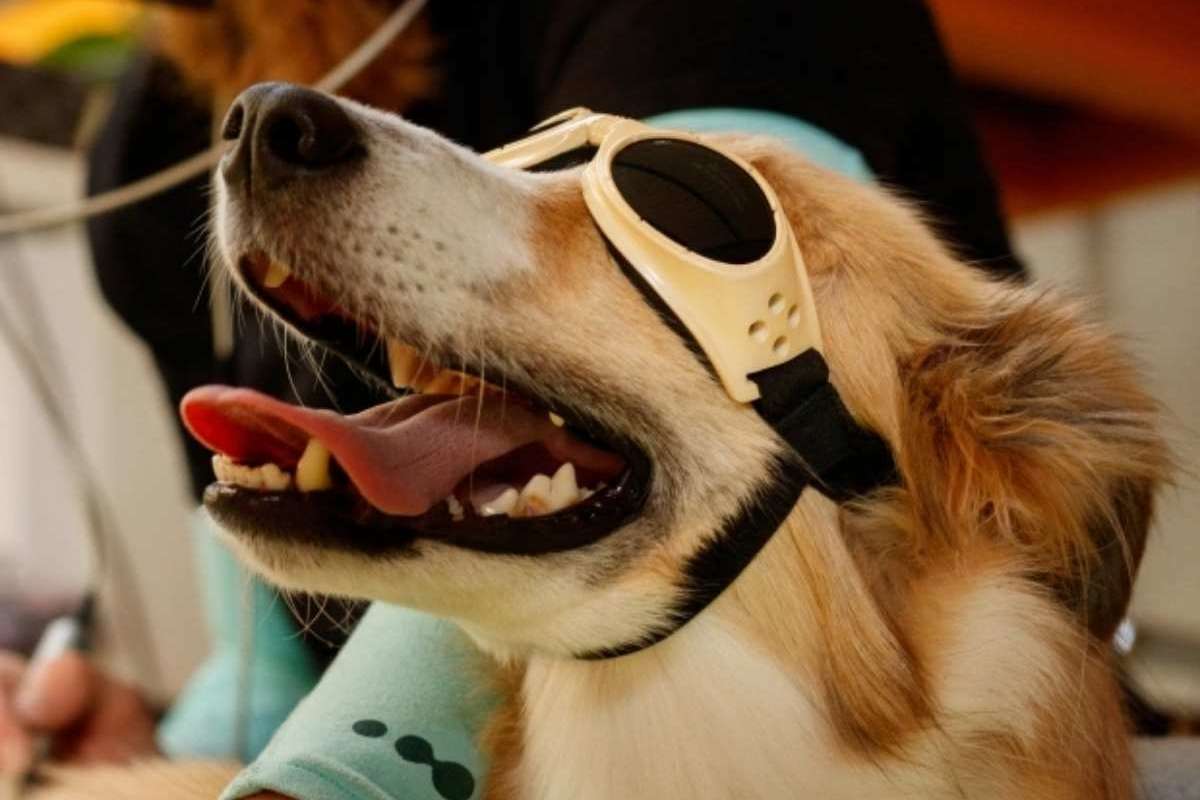
First, the veterinarian examines the affected area. Next, a handheld laser device is gently placed over the skin. Protective eyewear is used for safety. The light moves slowly across muscles or joints for several minutes.
Sessions usually last 5 to 15 minutes depending on the condition. Most pets remain calm because the therapy produces a soothing warmth sensation.
Some animals show improvement immediately, while others improve gradually after multiple treatments.
Short-Term vs Ongoing Treatment
The number of treatments depends on the condition.
Acute injuries:
Pets recovering from wounds or surgery may need a few sessions over two weeks.
Chronic conditions:
Arthritis or spinal issues may require periodic maintenance treatments to manage inflammation.
Consistent care produces the best long-term results.
Why Early Treatment Matters
When pain persists, pets avoid movement. Reduced activity weakens muscles and stiffens joints. Over time, mobility decreases further.
Laser therapy interrupts this cycle. By relieving pain early, pets continue moving, which maintains muscle strength and joint function. Therefore, early care prevents worsening conditions.
Supporting Healing at Home
Owners can help therapy work better by:
- Limiting excessive jumping
- Providing orthopedic bedding
- Maintaining a healthy weight
- Encouraging gentle walks
- Following treatment schedules
These steps protect joints, spine, and muscles during recovery.
Safety and Effectiveness
Laser therapy has an excellent safety record. Because it does not require incisions or sedation, risks are minimal. Additionally, it works well alongside other treatments such as physical therapy and medication.
Many veterinarians recommend it as part of a comprehensive pain management plan.
Healing takes time, but advanced treatments now make recovery easier and more comfortable. By reducing inflammation, improving circulation, and relieving pain, veterinary laser therapy helps pets return to normal activity sooner. Whether your dog struggles with arthritis or your cat is healing after surgery, this therapy can greatly improve comfort and mobility.
If you are in Dwight, IL, and looking for a veterinarian near you, the compassionate team at Dwight Veterinary Clinic is ready to help your pet recover. Book an appointment today to learn how laser therapy can support your companion’s healing and long-term wellness.
FAQs
Q1. Is laser therapy painful for pets?
Ans. No. Pets typically feel gentle warmth and often relax during the session.
Q2. How soon will my pet improve?
Ans. Some pets improve after one treatment, while others need several sessions.
Q3. Can older pets receive this treatment?
Ans. Yes. Senior pets benefit greatly, especially those with arthritis.
Q4. Are there side effects?
Ans. Side effects are rare when performed properly.
Q5. How long does each session last?
Ans. Most sessions take about 5–15 minutes.
Q6. Can it replace medication?
Ans. It may reduce medication needs, but veterinarians decide the best plan.