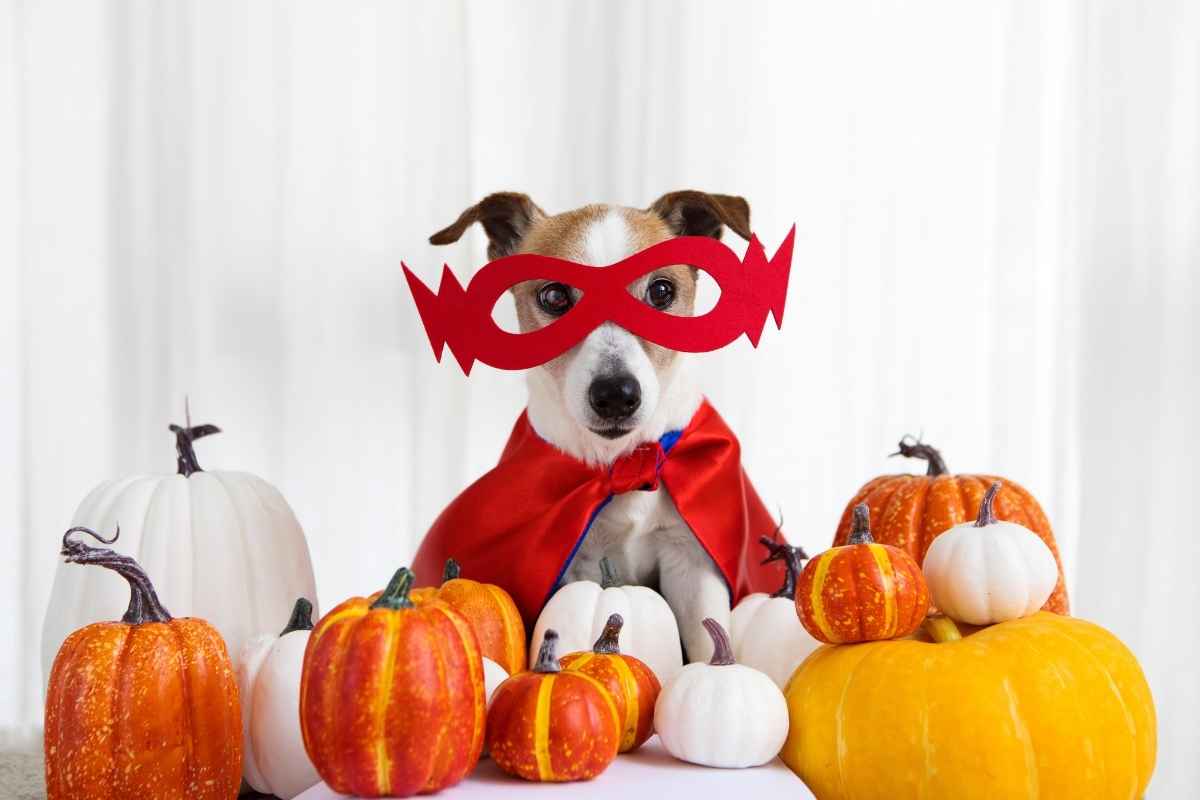
We Will Be Closed Saturday, Oct 17 (no DVM coverage), as well as Saturdays Oct 31 & Nov 14.


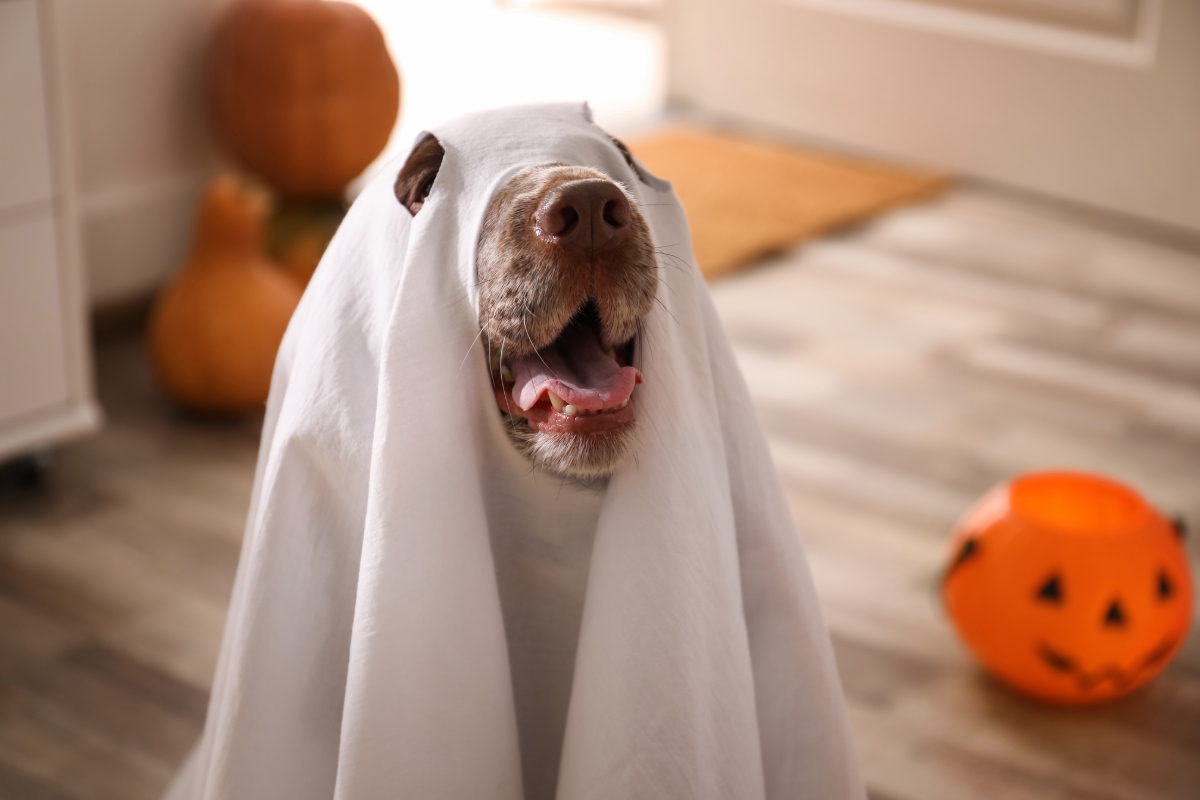
Halloween can be exciting for families in Dwight, but dressing a pet for the celebration deserves careful thought. A costume that looks harmless can restrict movement, interfere with breathing or vision, create choking hazards, or cause significant stress.
Puppies, kittens, and senior pets need particular care. Young animals are curious and may chew costume pieces. Older pets may have mobility, vision, hearing, breathing, or comfort issues that make clothing harder to tolerate. Pet costume safety starts with deciding whether your animal should wear one at all.
Why Can Pet Costumes Be Unsafe?
A safe costume should allow normal movement, breathing, vision, hearing, drinking, and bathroom use. Risks include tight fabric, loose straps, headpieces, and small decorations that can be swallowed. Heavy material may also cause overheating or skin irritation.
Freezing in place does not always mean a pet is calm. Scratching, hiding, flattened ears, panting, vocalizing, or trying to remove clothing can signal distress.
Why Are Puppies at Greater Risk?
A puppy experiencing its first Halloween may already be processing unfamiliar visitors, noises, decorations, and activity. Adding clothing can make that experience more difficult.
Puppies explore with their mouths, so they may chew and swallow dangling fabric, elastic, or decorations. Shifting clothing can also cause stumbling or entanglement. Introduce simple clothing beforehand, supervise continuously, and remove it at the first sign of distress.
What Costume Risks Are Different for Kittens?
Kittens climb, twist, jump, and squeeze into small spaces, which can turn loose costume material into an entanglement hazard. Don’t force a kitten that runs, rolls, bites at fabric, or hides to stay dressed.
For a Halloween party, a secure room away from open doors and busy guests may be safer than including a kitten in the activity. If your kitten becomes injured, swallows part of a costume, or has trouble breathing, call our animal hospital now rather than waiting for symptoms to worsen.
Why Senior Pets Need Extra Costume Consideration
Older pets may have arthritis, reduced mobility, or changes in vision and hearing that make restrictive clothing or headpieces uncomfortable. Medical conditions can also affect breathing, skin, stamina, or temperature regulation. An outfit tolerated years ago may no longer be appropriate.
Keep Halloween participation simple and provide a quiet resting area away from party traffic.
How to Check a Pet Costume Before the Party
Before Halloween festivities begin, inspect the outfit while your pet is calm. Make sure it does not squeeze the neck, chest, abdomen, or legs. Nothing should block the eyes, ears, nose, or mouth. Remove chewable pieces, keep identification secure, and make sure the outfit comes off quickly.
Never leave a costumed pet unattended. A safely fitted festive bandana may suit pets that dislike clothing.
When Does a Costume Problem Need Veterinary Attention?
Mild reluctance that resolves once the outfit is removed can often be monitored. However, persistent limping, skin irritation, repeated coughing, vomiting, unusual lethargy, or pain warrants veterinary advice.
Seek prompt care for trouble breathing, collapse, severe distress, choking, significant injury, or suspected swallowing of a costume piece. Different problems can produce similar symptoms, so an examination may be needed to determine what happened.
Keep the Celebration Comfortable for Your Pet
If you are unsure whether your pet can safely participate in Halloween activities, contact Dwight Veterinary Clinic. Our veterinarian in Dwight can assess health concerns that may affect comfort or safety. Contact our veterinary clinic for guidance before the celebration or if your pet develops concerning symptoms.
Frequently Asked Questions
Q1. Can my puppy wear a costume for the first time?
Ans. Yes, some puppies can tolerate a simple, properly fitted costume. Introduce it briefly before Halloween and watch your puppy closely. Remove it if your puppy freezes, struggles, chews the material, or appears distressed.
Q2. Are costumes safe for kittens?
Ans. Some kittens may tolerate lightweight clothing, but many find costumes stressful or restrictive. Dwight Veterinary Clinic can evaluate your kitten if health concerns could affect safe participation in holiday activities.
Q3. Should senior dogs wear Halloween costumes?
Ans. Age alone does not automatically rule out a costume. However, arthritis, breathing problems, skin sensitivity, or reduced vision can change what a senior dog tolerates. Dwight Veterinary Clinic can help pet owners consider these health factors.
Q4. What should I do if my pet swallows part of a costume?
Ans. Contact a veterinary professional promptly. Do not induce vomiting or give human medication unless specifically instructed. The appropriate next step depends on the material swallowed, its size, your pet’s size, and current symptoms.
Q5. How do I know if a costume is stressing my cat?
Ans. Watch for hiding, flattened ears, crouching, struggling, biting at clothing, unusual vocalization, or frantic attempts to escape. Remove the costume and allow your cat to settle in a quiet, familiar area.
Q6. When should a costume-related problem be checked by a veterinarian?
Ans. Persistent pain, limping, vomiting, coughing, skin injury, or unusual behavior should prompt veterinary advice. For breathing difficulty, choking, collapse, or serious injury, seek prompt care. Dwight Veterinary Clinic can assess concerning symptoms and determine appropriate next steps.