We Will Be Closed Saturday, Oct 17 (no DVM coverage), as well as Saturdays Oct 31 & Nov 14.


Detecting health issues in pets before they become serious is an essential part of responsible pet ownership. Many illnesses in dogs and cats develop gradually and may not show clear symptoms until they are advanced. That is why veterinarians rely on diagnostic testing to uncover underlying health problems early and provide appropriate treatment.
At Dwight Veterinary Clinic, we understand how important it is for pet owners to feel confident about their pet’s health. Routine examinations combined with diagnostic testing help veterinarians evaluate internal health conditions that may not be visible during a physical exam. From blood work to imaging tests, these tools allow veterinarians to diagnose illnesses accurately and create personalized treatment plans for pets.
Understanding Common Veterinary Diagnostic Tests can help pet owners recognize the importance of preventive health care and early detection. The following guide explains several diagnostic procedures that veterinarians often use to identify hidden illnesses and maintain your pet’s overall well-being. This information is particularly helpful for pet owners in Dwight, IL, who want to stay proactive about their pet’s health.
Why Diagnostic Testing Matters for Pet Health
Pets cannot describe how they feel, which makes it challenging to identify certain health problems without professional evaluation. Diagnostic tests help veterinarians gather detailed information about a pet’s internal organs, blood chemistry, and overall body function.
Routine testing can help detect conditions such as infections, organ disease, hormonal imbalances, and metabolic disorders at an early stage. Early detection often leads to more effective treatment and improved long-term outcomes. Preventive testing is also a key component of pet diagnostic care, especially for senior pets or animals with existing medical conditions.
1. Blood Tests
Blood tests are among the most frequently used diagnostic tools in veterinary medicine. They provide valuable insights into how the body’s organs are functioning.
Common types of blood tests include:
- Complete Blood Count (CBC): Evaluates red blood cells, white blood cells, and platelets to detect infections, inflammation, or anemia.
- Blood Chemistry Panel: Assesses organ function, including the liver, kidneys, and pancreas.
- Electrolyte Testing: Helps identify dehydration, metabolic imbalances, or certain diseases.
Blood tests are often recommended during annual wellness exams or when pets show signs of illness such as lethargy, vomiting, or appetite changes.
2. Urinalysis
Urinalysis is another important diagnostic tool that provides information about a pet’s urinary tract health and overall metabolism.
This test can help veterinarians detect:
- Urinary tract infections
- Kidney disease
- Diabetes
- Bladder crystals or stones
Because many urinary conditions may not show obvious symptoms initially, routine testing plays a valuable role in preventive pet diagnostic care.
3. Fecal Testing
Fecal examinations help veterinarians identify intestinal parasites that may affect a pet’s digestive system.
Common parasites detected through fecal testing include:
- Roundworms
- Hookworms
- Whipworms
- Giardia
Even indoor pets can be exposed to parasites, making regular fecal testing an important part of preventive care.
4. X-Rays (Radiography)
X-rays allow veterinarians to visualize internal structures such as bones, lungs, and certain organs. This imaging test helps diagnose a variety of conditions, including:
- Bone fractures
- Arthritis
- Tumors or abnormal growths
- Lung or heart conditions
- Foreign objects swallowed by pets
Radiography provides valuable diagnostic insight when pets experience injuries, breathing issues, or unexplained discomfort.
5. Ultrasound
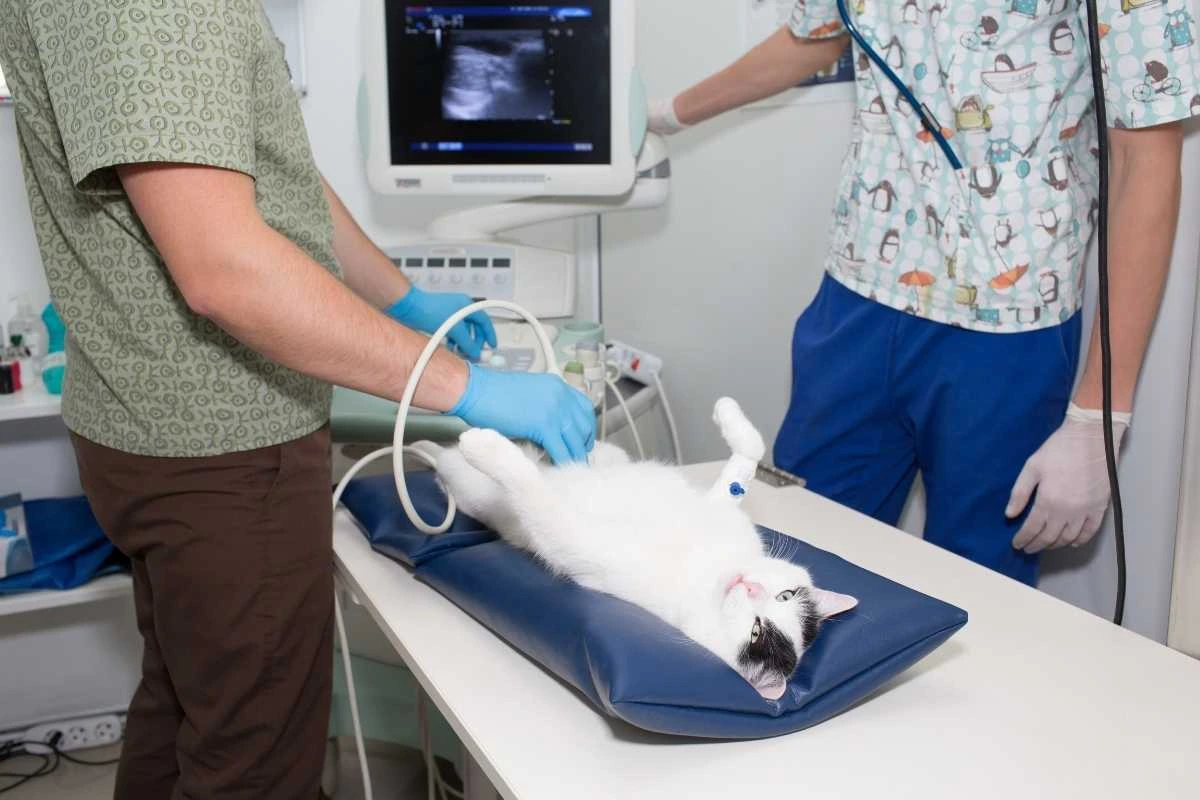
Ultrasound imaging uses sound waves to create detailed images of internal organs. Unlike X-rays, ultrasound is particularly useful for evaluating soft tissues.
Veterinarians commonly use ultrasound to examine:
- The liver and kidneys
- The heart
- The bladder
- The digestive tract
- Reproductive organs
This test helps identify abnormalities such as tumors, cysts, fluid accumulation, or organ enlargement.
6. Skin and Ear Tests
Skin conditions and ear infections are common concerns for many pets. Veterinarians often perform specialized diagnostic tests to determine the underlying cause of irritation or inflammation.
These tests may include:
- Skin scrapings to detect mites
- Cytology to identify bacteria or yeast
- Ear swabs to diagnose infections or parasites
Accurate diagnosis ensures that pets receive the appropriate treatment for their condition.
How Routine Testing Supports Preventive Care
Regular veterinary visits combined with diagnostic testing can significantly improve your pet’s quality of life. Preventive screenings help identify potential health problems before they progress into more serious conditions.
Veterinarians may recommend specific tests depending on factors such as:
- Age
- Breed
- Lifestyle
- Existing medical conditions
Routine wellness exams, combined with appropriate diagnostic screenings, allow veterinarians to monitor changes in your pet’s health over time.
Identifying health problems early is one of the most important ways to protect your pet’s long-term well-being. Common Veterinary Diagnostic Tests, such as blood work, urinalysis, imaging, and parasite screenings, provide valuable information that helps veterinarians detect hidden illnesses and develop effective treatment plans.
If you have questions about your pet’s health or want to learn more about diagnostic testing, the team at Dwight Veterinary Clinic is available to provide guidance and support. These services play an important role in maintaining your pet’s health and identifying concerns before they become more serious.
Routine exams and diagnostic evaluations are an important part of responsible pet ownership. If you are located in Dwight, IL, and want to ensure your pet receives comprehensive care, consider scheduling a visit with a trusted veterinary team. You can schedule your appointment to discuss your pet’s health and preventive care needs.
Frequently Asked Questions:
Q1. What are common veterinary diagnostic tests used for pets?
Ans. Common tests include blood work, urinalysis, fecal exams, X-rays, ultrasound imaging, and skin or ear testing. These tests help detect infections, organ disease, and other health conditions.
Q2. How often should pets undergo diagnostic testing?
Ans. Many pets benefit from routine testing during annual wellness exams. Senior pets or those with existing medical conditions may require more frequent screenings.
Q3. Are diagnostic tests safe for pets?
Ans. Yes. Most veterinary diagnostic procedures are safe and minimally invasive. Imaging tests such as X-rays and ultrasound are commonly used and carefully monitored by veterinary professionals.
Q4. Why is early disease detection important for pets?
Ans. Early detection allows veterinarians to begin treatment sooner, which can improve recovery outcomes and prevent conditions from worsening.
Q5. Do indoor pets still need diagnostic tests?
Ans. Yes. Even indoor pets can develop medical conditions such as kidney disease, infections, or metabolic disorders that require testing for accurate diagnosis.
Q6. What signs indicate my pet may need diagnostic testing?
Ans. Symptoms such as lethargy, appetite changes, vomiting, diarrhea, weight loss, or unusual behavior may indicate an underlying health issue that requires evaluation.