We Will Be Closed Saturday, Oct 17 (no DVM coverage), as well as Saturdays Oct 31 & Nov 14.


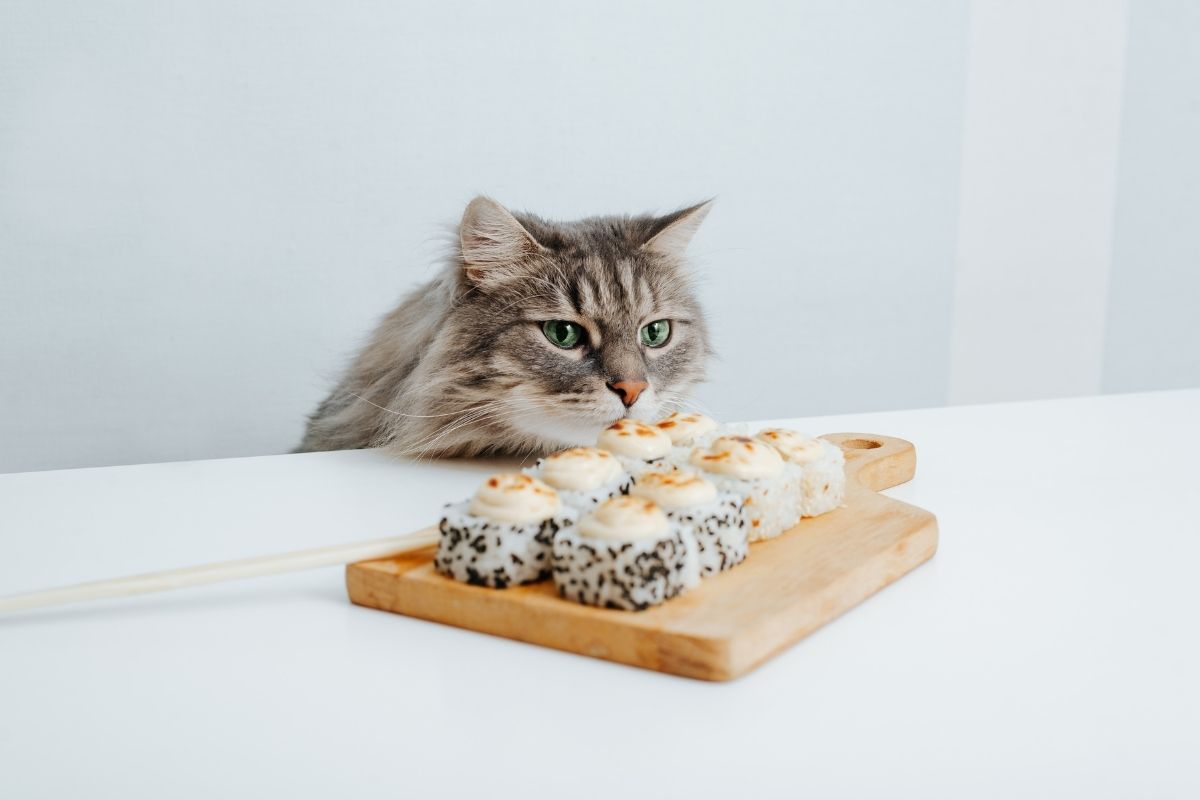
Watching a cat age is often a subtle process. One day they are zooming up the curtains, and the next, they prefer long naps in a sunbeam. While their spirit remains young, their bodies go through significant changes as they enter their golden years.
Nutrition plays a massive role in how gracefully your feline friend ages. But walking down the pet food aisle can be overwhelming. With so many options, what is the best food to feed a senior cat? The answer lies in understanding the specific physiological shifts that happen as cats get older. This guide will help you navigate the nutritional needs of your aging companion to ensure they stay healthy and vibrant.
Understanding the Aging Feline Body
Cats generally reach “senior” status around 11 years old, though some changes begin as early as age 7. Unlike dogs, who often struggle with obesity as they age, senior cats frequently struggle to keep weight on.
As cats age, their ability to digest fat and protein decreases effectively. This means they often need more calories per pound than they did in their middle years just to maintain their muscle mass and energy levels.
The Protein Requirement
There is a longstanding myth that senior cats should eat low-protein diets to protect their kidneys. Modern veterinary science has largely debunked this for healthy cats.
Unless your cat has diagnosed Chronic Kidney Disease (CKD), restricting protein can actually be harmful. Senior cats are prone to sarcopenia (muscle loss). To counteract this, the best food for a healthy senior cat should be rich in high-quality, highly digestible animal proteins like chicken, turkey, or rabbit.
Hydration is Critical
Kidney function naturally declines in many aging cats. Since cats have a low thirst drive, they rely heavily on their diet for hydration.
Wet vs. Dry Food
For seniors, wet food is almost always superior to dry kibble.
- Moisture Content: Wet food is roughly 75-80% water, which helps flush the kidneys and prevents dehydration.
- Dental Comfort: If your senior cat has missing teeth or gum sensitivity, soft paté or stew textures are easier to eat than crunchy kibble.
- Palatability: Senior cats often lose some of their sense of smell. Wet food typically has a stronger aroma, which encourages them to eat.
Essential Nutrients for Longevity
Beyond protein and water, look for foods fortified with specific supplements that target aging issues.
- Omega-3 Fatty Acids: Usually sourced from fish oil, these reduce inflammation in arthritic joints and support brain health.
- Antioxidants: Vitamins E and C help support the immune system, which can weaken over time.
- Fiber: Appropriate fiber levels help manage constipation, a common issue in older, less active cats.
When to Consult a Vet About Diet
Not all weight loss is normal aging. If your cat is eating voraciously but losing weight, this could be a sign of hyperthyroidism or diabetes. Conversely, a refusal to eat could indicate dental pain or kidney issues.
A sudden change in appetite warrants a veterinary exam before you simply switch food brands.
Choosing the right diet for your senior cat is a balancing act between maintaining weight, supporting kidney function, and keeping them interested in their bowl. By prioritizing high moisture content and digestible proteins, you can help your furry friend feel their best well into their late teens.
Every cat is unique, and their golden years should be treated with extra care and attention to detail.
Conveniently located in Dwight, IL, if you are looking for senior pet care dwight to assist with your cat’s nutritional needs, we are here to help.
The experienced team at Dwight Veterinary Clinic is dedicated to providing personalized advice to ensure your companion enjoys a comfortable and healthy life.
Frequently Asked Questions:
Q1: At what age should I switch to senior cat food?
Ans: Generally, you should consider transitioning to a senior formula around age 7 to 10. However, if your cat is healthy and maintaining a good weight on their current adult food, a switch may not be urgent until age 11+.
Q2: My senior cat is too skinny; what should I feed them?
Ans: Look for a nutrient-dense kitten food or a high-calorie recovery diet. These foods are packed with calories and protein, which can help an underweight senior regain lost muscle mass.
Q3: Is a raw diet safe for senior cats?
Ans: Raw diets can be risky for seniors because their immune systems are not as robust as they used to be. They are more susceptible to bacteria like Salmonella found in raw meat, so gently cooked fresh food is often a safer alternative.
Q4: How can I get my picky senior cat to eat?
Ans: Try warming the wet food slightly (to mouse body temperature) to release the aroma. You can also add a topper like plain bone broth (ensure no onions/garlic) or a sprinkle of nutritional yeast to entice them.
Q5: Does my cat need a prescription kidney diet?
Ans: Prescription renal diets are only necessary if blood work confirms kidney disease. These diets have restricted phosphorus and protein; feeding them to a healthy cat can actually cause muscle loss.
Q6: Why is my senior cat vomiting after eating?
Ans: Frequent vomiting is not normal. It could range from eating too fast to conditions like IBD, pancreatitis, or thyroid issues. Raising the food bowl can help with acid reflux, but a vet visit is required for a diagnosis.