We Will Be Closed Saturday, Oct 17 (no DVM coverage), as well as Saturdays Oct 31 & Nov 14.


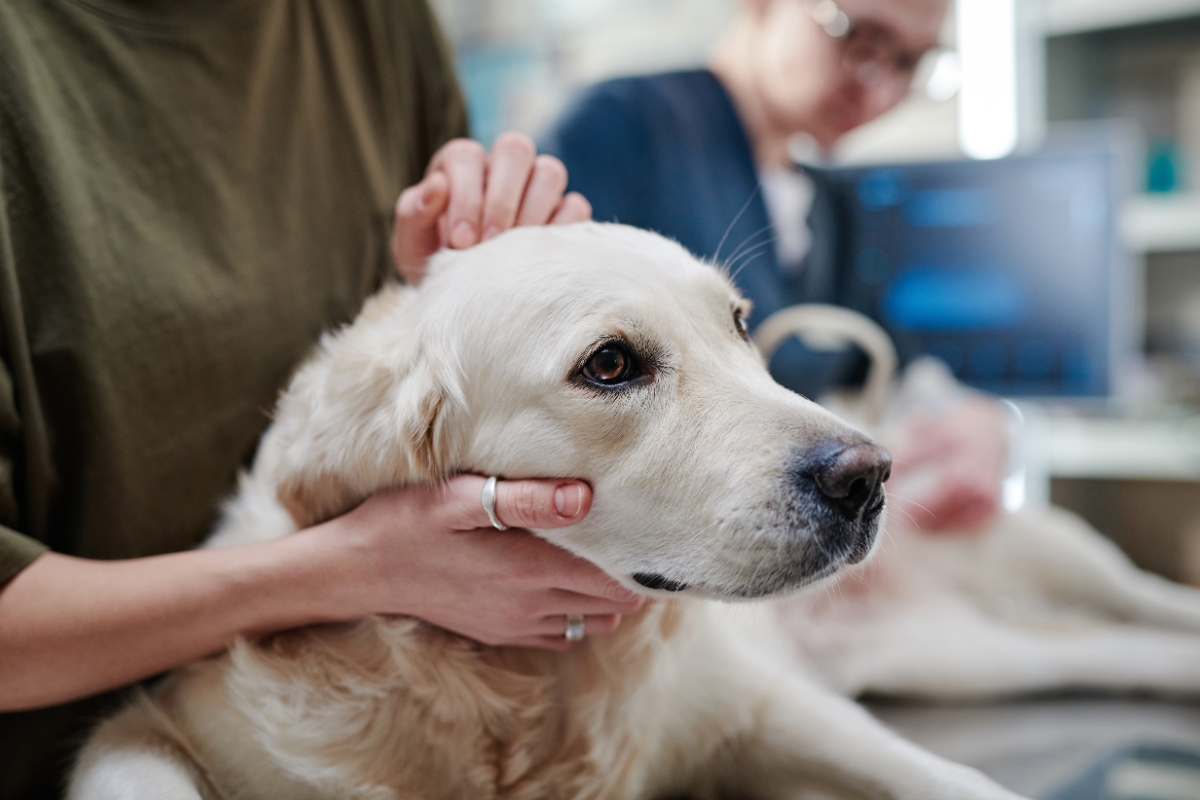
Seeing your dog suddenly struggle to stand, walk, or move their legs can be frightening. A dog that was running around normally just hours ago may begin dragging its back legs, stumbling, or refusing to get up. These changes can happen without warning, leaving pet owners unsure whether their dog is injured, in pain, or experiencing something more serious.
Sudden difficulty walking is not something to ignore. It can result from a painful injury, a spinal problem, a neurological condition, or another medical emergency. Some conditions can worsen within hours, making early veterinary attention important.
At Dwight Veterinary Clinic, we understand how concerning sudden changes in your dog’s mobility can be. Our veterinary team helps pet owners in Dwight recognize health concerns and understand when their dogs need immediate medical attention. Knowing what might cause these symptoms and how to respond can help you protect your dog from further injury.
What Does It Mean When a Dog Suddenly Cannot Walk?
A dog may become unable to walk because of pain, muscle weakness, nerve damage, or problems affecting the brain or spinal cord. Some dogs lose movement in one leg, while others struggle to support their entire body.
The way symptoms appear can provide important clues about the underlying problem.
Watch for these warning signs:
- Dragging one or both back legs
- Falling over or losing balance while walking
- Struggling to stand after lying down
- Crying, trembling, or showing pain when moving
- Walking with an unusual or unsteady gait
- Knuckling over or placing paws incorrectly
- Refusing to move despite appearing alert
- Losing bladder or bowel control
Even if your dog seems comfortable, sudden weakness or loss of mobility requires prompt veterinary evaluation.
What Causes a Dog to Suddenly Lose the Ability to Walk?
Several medical conditions can interfere with a dog’s movement. Identifying the cause usually requires a physical examination, neurological assessment, and sometimes diagnostic testing.
Intervertebral Disc Disease (IVDD)
Intervertebral disc disease occurs when a disc between the spinal bones bulges or ruptures, potentially compressing the spinal cord.
Dogs with IVDD may experience back pain, weakness, difficulty walking, or sudden paralysis.
Although any dog can develop this condition, breeds such as Dachshunds, French Bulldogs, and Corgis are more susceptible.
Severe spinal cord compression can cause permanent damage without timely treatment. Dogs showing sudden weakness or paralysis should receive emergency veterinary attention.
Spinal Injuries or Trauma
Falls, vehicle accidents, rough play, and other injuries can damage the spine, nerves, muscles, or bones. A dog with a spinal injury may suddenly become unable to stand or move normally.
Signs may include:
- Severe pain when touched or moved
- Weakness or paralysis
- Unusual positioning of the back or neck
- Difficulty controlling urination
- Visible injuries or swelling
If you suspect a spinal injury, minimize your dog’s movement and seek immediate veterinary help.
Fibrocartilaginous Embolism (Spinal Stroke)
A fibrocartilaginous embolism, sometimes called a spinal stroke, occurs when material associated with an intervertebral disc blocks blood flow to part of the spinal cord.
Symptoms often develop suddenly, sometimes during exercise or play. Affected dogs may show weakness or paralysis, frequently affecting one side more than the other.
Some dogs experience brief pain when symptoms begin, but the condition is often not persistently painful. Veterinary evaluation is necessary to distinguish this condition from spinal compression and other emergencies.
Vestibular Disease
The vestibular system helps dogs maintain balance and understand their body’s position. When this system is disrupted, dogs may suddenly become dizzy, stumble, or struggle to stand.
Common symptoms include:
- Head tilting to one side
- Rapid, involuntary eye movements
- Falling or rolling
- Nausea or vomiting
- Difficulty maintaining balance
Vestibular disease can affect older dogs, but similar symptoms can also occur with inner ear infections and neurological disorders.
A veterinarian must determine the underlying cause before recommending treatment.
Severe Arthritis or Joint Injuries
Dogs with arthritis may experience worsening stiffness and pain that makes standing or walking difficult. However, a sudden inability to walk should not automatically be attributed to aging or arthritis.
Other possibilities include ligament injuries, fractures, joint dislocations, and severe muscle injuries. Dogs with orthopedic problems may limp, avoid putting weight on a leg, or refuse to move because of pain.
Tick Paralysis and Other Neuromuscular Conditions
Certain tick species can produce toxins that interfere with normal nerve and muscle function. Tick paralysis may begin with weakness in the back legs and progress to more widespread paralysis.
Other conditions, including myasthenia gravis and certain toxin exposures, can also cause sudden weakness. As some of these conditions can affect breathing, rapidly worsening weakness requires emergency veterinary treatment.
When Is a Dog’s Inability to Walk a Veterinary Emergency?
A dog that suddenly cannot stand or walk needs immediate veterinary assessment, even without obvious pain.
Seek emergency attention if your dog experiences:
- Sudden paralysis in one or more legs
- Severe back or neck pain
- Weakness that worsens over minutes or hours
- Difficulty breathing
- Collapse or loss of consciousness
- Loss of bladder control alongside leg weakness
- Inability to walk after an accident or fall
- Seizures or significant changes in awareness
These symptoms may indicate spinal cord damage, serious neurological disease, trauma, or another life-threatening condition. For pet owners seeking urgent pet care, contacting a veterinarian promptly can help prevent delays in diagnosis and treatment. Do not wait overnight to see whether your dog improves if they have suddenly lost the ability to walk.
What Should You Do If Your Dog Suddenly Cannot Walk?
Your actions before reaching a veterinary hospital can help reduce the risk of additional injury.
Keep Your Dog Still and Comfortable
Avoid encouraging your dog to stand, walk, jump, or climb stairs. If a spinal injury is possible, unnecessary movement could worsen the damage.
Move Your Dog Carefully
For a small dog, gently support the entire body while keeping the back and neck as stable as possible. Larger dogs may need to be moved using a firm board or another supportive surface. If your dog is in severe pain, be cautious when handling them. Even normally gentle dogs may react defensively.
Avoid Giving Human Pain Medications
Never give your dog ibuprofen, acetaminophen, naproxen, or other human medications unless specifically directed by a veterinarian. Some medications commonly used by people can cause serious poisoning in dogs.
Contact a Veterinary Clinic Immediately
Call a veterinary professional, explain your dog’s symptoms, and follow their instructions. Tell the team when the problem began, whether your dog experienced an injury, and whether symptoms are worsening. If your regular veterinary clinic cannot provide immediate assessment, seek an emergency veterinary hospital.
How Do Veterinarians Diagnose Sudden Mobility Problems in Dogs?
Determining why a dog cannot walk begins with understanding the symptoms and examining the affected pet.
During an evaluation, our vets may assess:
- Medical history: Recent injuries, previous spinal problems, medications, and the timing of symptoms.
- Physical condition: Pain, swelling, joint movement, and signs of trauma.
- Neurological function: Reflexes, limb positioning, coordination, and responses to sensation.
- Muscle strength: Whether weakness affects one leg, multiple legs, or the entire body.
- General health: Heart rate, breathing, circulation, and other findings that may indicate systemic illness.
Depending on the findings, additional testing may include blood work or X-rays. Advanced imaging, such as MRI or CT, may be needed to identify certain spinal or neurological conditions.
Some dogs require referral to an emergency hospital or veterinary neurologist for further evaluation and treatment.
Can a Dog Recover After Suddenly Losing the Ability to Walk?
Recovery depends on the underlying condition, the severity of nerve or tissue damage, and how quickly treatment begins.
For example, dogs with some vestibular conditions may regain balance over several days or weeks. Dogs with certain spinal injuries may require surgery, medication, rehabilitation, or ongoing mobility assistance.
Recovery from severe spinal cord damage is less predictable, especially when neurological function has been significantly affected.
Treatment may involve:
- Pain management prescribed by a veterinarian
- Strict activity restriction when medically appropriate
- Surgery for certain spinal or orthopedic conditions
- Physical rehabilitation
- Treatment for infections or underlying medical disorders
- Mobility aids and supportive nursing care
Not every dog that suddenly stops walking is permanently paralyzed. However, only a veterinary examination can determine the likely cause and appropriate treatment.
How Can Our Veterinary Practice Help Dogs With Sudden Mobility Problems?
When a dog unexpectedly loses mobility, identifying the underlying problem is the first step toward making appropriate treatment decisions. Our veterinary practice in Dwight helps pet owners understand concerning symptoms and determine the next steps for their dogs.
Our vets can evaluate mobility changes, assess pain and neurological function, and recommend diagnostic testing or further treatment based on the findings. When a condition requires advanced imaging, surgery, or emergency hospitalization beyond the clinic’s available resources, a referral may be necessary. Seeking urgent pet care without delay gives your dog the opportunity to receive an appropriate assessment before the condition progresses.
Don’t Wait for Sudden Weakness to Become a Bigger Problem
Watching your dog struggle to walk can leave you worried about what happens next. Although some mobility problems improve with treatment, others require immediate medical intervention to prevent lasting complications.
At Dwight Veterinary Clinic, we understand how important your dog’s comfort, movement, and independence are to your family. Our veterinary team is here to help you recognize concerning changes, understand your options, and make informed decisions about your dog’s health.
If your dog suddenly cannot stand, walk, or move normally, contact our veterinary practice in Dwight immediately. Our team can help guide you toward the appropriate level of care. If your dog is experiencing severe symptoms or cannot be assessed promptly, seek emergency veterinary treatment.
Frequently Asked Questions
Q1. Why Is My Dog Suddenly Unable to Use Their Back Legs?
Ans. Sudden back-leg weakness can result from IVDD, spinal injuries, neurological disorders, or other serious conditions. Some causes can progress to paralysis. Your dog needs immediate veterinary assessment to determine the cause and appropriate treatment.
Q2. Can a Dog Suddenly Stop Walking Without Being in Pain?
Ans. Yes. Conditions such as certain spinal strokes and neurological disorders may cause sudden weakness without persistent, obvious pain. A dog that cannot walk still needs emergency evaluation, even if they are alert and not crying.
Q3. Should I Massage My Dog’s Legs If They Cannot Walk?
Ans. No. Avoid massaging or stretching your dog’s legs until a veterinarian identifies the cause. Manipulating an injured limb or spine could worsen certain conditions. Keep your dog still and seek veterinary advice.
Q4. Where Can I Take My Dog for Sudden Walking Problems in Dwight?
Ans. Contact Dwight Veterinary Clinic to discuss your dog’s symptoms and the need for immediate assessment. Our veterinary team can advise you on the appropriate next steps and whether an emergency hospital is necessary.
Q5. Can Dwight Veterinary Clinic Help Determine Why My Dog Is Limping or Unable to Stand?
Ans. Our vets at Dwight Veterinary Clinic can assess mobility concerns and recommend appropriate diagnostic steps based on your dog’s condition. If advanced neurological testing or emergency treatment is required, we can discuss referral options.
Q6. What Should I Do If My Dog Collapses at Home in Dwight?
Ans. Keep your dog still and check whether they are breathing normally. Contact Dwight Veterinary Clinic immediately for guidance. If your dog is unconscious, struggling to breathe, or unable to stand, proceed to an emergency veterinary hospital without delay.