Same-Day Appointments Available!



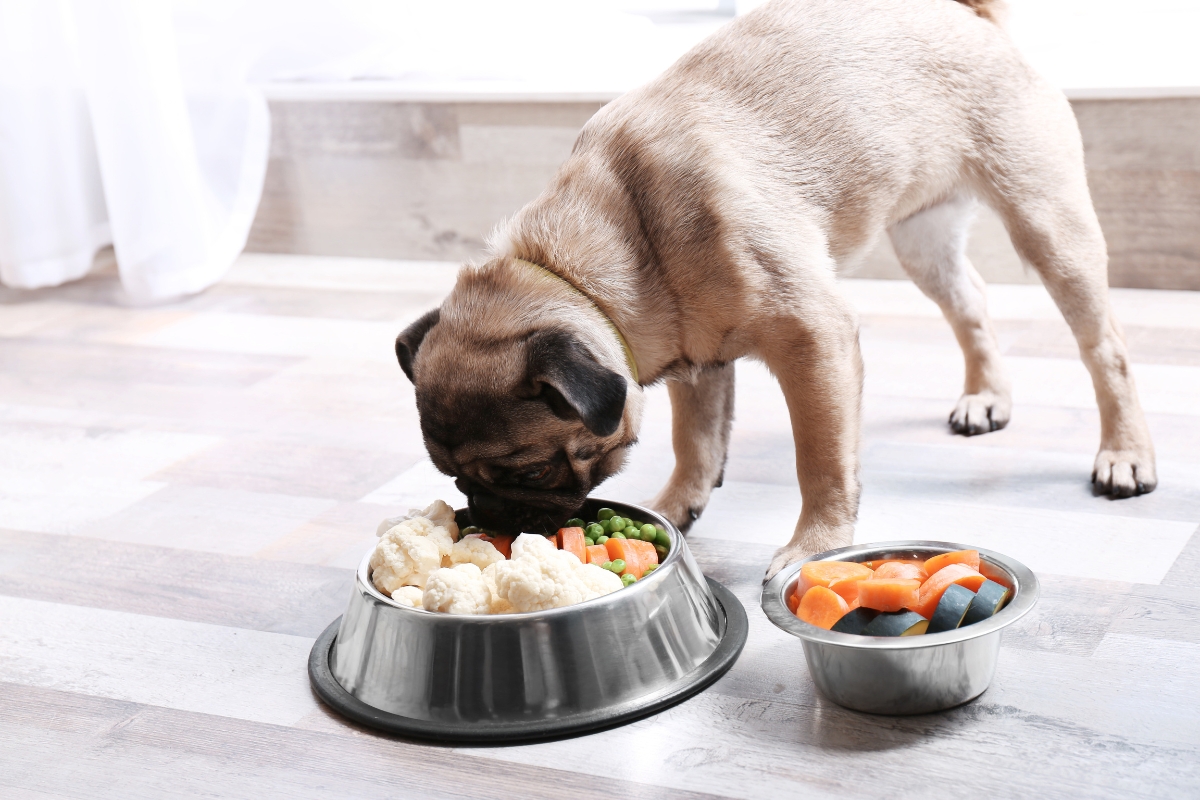
A pet’s nutritional needs do not stay the same throughout life. Puppies and kittens need nutrients that support rapid growth, while adult pets need balanced nutrition that helps maintain energy, muscle, and overall health. As pets enter their senior years, their dietary needs may shift again based on activity, body condition, and age-related changes.
Choosing the right food at each life stage can support healthy development and help maintain a strong body over time. However, simply choosing a food labeled for a particular age is not always enough. Portion size, calorie density, nutrient balance, activity level, and individual health concerns also matter.
During puppyhood and kittenhood, nutrition plays a particularly important role because young pets experience rapid physical development. Their food needs to provide appropriate levels of protein, calories, fats, vitamins, and minerals without encouraging excessive growth. This is one reason senior pet care begins with understanding how nutritional needs evolve long before a pet reaches old age.
Puppy and Kitten Nutrition: Building a Healthy Foundation
Young pets need more energy and specific nutrients than many adult animals because their bodies are developing quickly. A properly formulated puppy or kitten diet provides nutrients that support bones, muscles, organs, the immune system, and brain development.
However, more food does not always mean better growth. Overfeeding can contribute to excessive weight gain and may create unnecessary stress on developing joints, particularly in large-breed puppies.
Feed young pets according to their age, expected adult size, activity level, and the feeding guidance provided by your veterinarian or food manufacturer. Monitor body condition regularly rather than relying only on the number of calories offered.
Adult Pet Nutrition: Maintaining Health and Body Condition
Once pets reach adulthood, their nutritional priorities change. Instead of supporting rapid growth, the diet should help maintain a healthy body weight, lean muscle, normal energy levels, and overall wellness.
Adult pets typically need fewer calories per pound than growing animals. Therefore, continuing to feed a growth-focused diet without adjusting portions can contribute to unwanted weight gain.
Choose a complete and balanced adult diet appropriate for your pet’s species and lifestyle. Active pets may have different calorie needs than pets that spend most of the day indoors. Likewise, working animals may require a different nutritional approach than companion pets with lower activity levels.
How Weight Affects Dietary Needs
Body condition provides valuable information when deciding whether a pet’s current diet remains appropriate. A pet that consistently gains weight may be receiving more calories than needed, while unexplained weight loss can indicate insufficient intake or an underlying health problem.
Instead of making major dietary changes based solely on appearance, discuss your pet’s weight and body condition with a veterinary professional. Small adjustments to portion sizes, treats, or food type can sometimes make a significant difference.
Remember that treats also contribute calories. Keep them limited and account for them when considering your pet’s total daily intake.
Senior Pet Nutrition: Supporting Changing Needs
As pets age, activity levels often decrease, while changes in muscle mass, metabolism, digestion, and overall health may influence nutritional requirements. Some senior pets need fewer calories, while others may require additional nutritional support because of health conditions or loss of body condition.
There is no single diet that works for every senior pet. Instead, nutritional choices should reflect the individual animal’s weight, activity, appetite, medical history, and veterinarian’s recommendations.
Protein deserves particular attention because maintaining lean muscle becomes increasingly important with age. However, pets with specific medical conditions may need dietary modifications. Therefore, avoid making restrictive changes without professional guidance.
When Should You Change Your Pet’s Food?
Age alone does not always determine the exact time to change diets. Breed, size, lifestyle, reproductive status, body condition, and health can all influence nutritional needs.
When changing foods, transition gradually over several days by mixing increasing amounts of the new food with the current diet. A gradual transition can help reduce digestive upset and make the change easier for your pet.
Watch for changes in appetite, stool quality, weight, energy, coat condition, or behavior after introducing a new diet. If concerning changes occur, contact your veterinary team.
Nutrition for Senior Pets With Health Concerns
Older pets may develop conditions that require specific nutritional strategies. Depending on the diagnosis, a veterinarian may recommend changes involving calorie intake, protein, fat, fiber, sodium, or other nutrients.
For example, a pet with certain urinary, kidney, gastrointestinal, or metabolic concerns may benefit from a therapeutic diet. These diets are formulated for specific medical purposes and should be used according to veterinary guidance.
Regular monitoring becomes especially valuable as pets age. Dwight Veterinary Clinic can help evaluate your pet’s changing nutritional needs and recommend dietary adjustments based on overall health and body condition.
How to Keep Your Pet’s Diet on Track
Good nutrition involves more than selecting a food bag. Measure meals consistently, limit excessive treats, provide fresh water, and monitor body condition throughout your pet’s life.
Additionally, avoid frequently switching foods simply because your pet seems interested in something new. If your pet suddenly becomes unusually hungry, refuses food, loses weight, or gains weight despite a consistent routine, discuss the change with your veterinarian.
Most importantly, review your pet’s nutritional needs regularly. A diet that worked well during puppyhood may not remain appropriate during adulthood or the senior years.
Your pet’s nutritional needs change as the body moves from rapid growth to adulthood and eventually into the senior years. By adjusting portions, food type, and nutritional support according to life stage and individual health, you can help promote a healthy body condition and long-term wellness.
Schedule your appointment with Dwight Veterinary Clinic to review your pet’s diet and create a nutrition plan suited to their current life stage.
Frequently Asked Questions
Q1. When should a puppy switch to adult food?
Ans: The timing depends on breed, size, and individual growth. Small breeds may transition earlier than large breeds. Ask your veterinarian when your puppy has reached an appropriate stage for adult nutrition.
Q2. Do senior pets always need senior-formulated food?
Ans: Not necessarily. Some older pets do well on a complete and balanced adult diet, while others benefit from a senior or therapeutic formula. The best choice depends on individual health and nutritional needs.
Q3. Can changing food too quickly upset my pet’s stomach?
Ans: Yes. Sudden dietary changes can cause digestive upset in some pets. Gradually introduce new food over several days unless your veterinarian recommends a different approach.
Q4. How can I tell if my pet is overweight?
Ans: Your veterinarian can assess body condition using physical examination and body-condition scoring. At home, monitor your pet’s body shape, weight trends, and changes in activity.
Q5. Do older pets need fewer calories?
Ans: Some senior pets need fewer calories because they become less active, but this is not universal. Individual metabolism, health conditions, and muscle condition should guide dietary decisions.
Q6. Should treats be included in my pet’s daily calorie intake?
Ans: Yes. Treats contribute calories and should be considered alongside regular meals. Keep treats moderate and choose options appropriate for your pet’s nutritional needs.