We Will Be Closed Saturday, Oct 17 (no DVM coverage), as well as Saturdays Oct 31 & Nov 14.


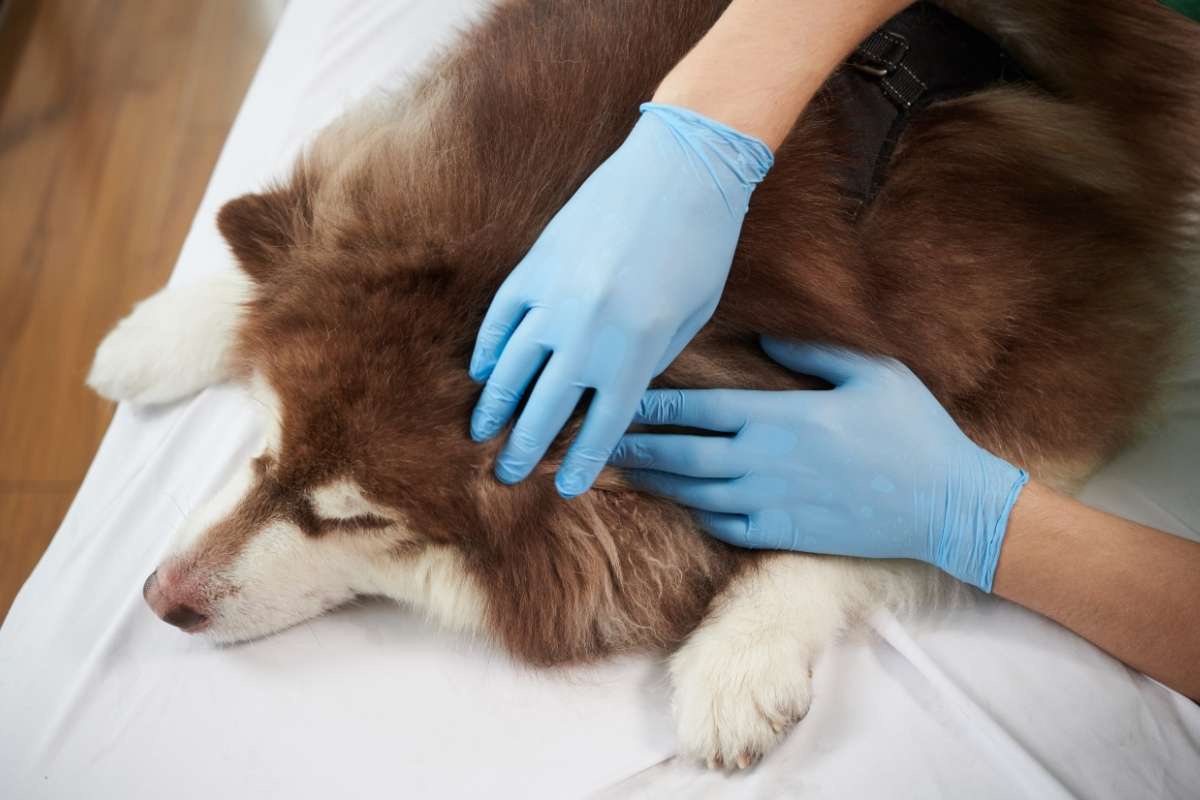
Pets cannot tell us when something hurts. Instead, they show pain through behavior, posture, and changes in movement. Some animals hide discomfort very well, which makes early recognition difficult. As a result, many dogs and cats live with untreated pain longer than owners realize.
Understanding pain management for pets is essential for protecting their quality of life. Whether your pet is recovering from surgery, injury, or dealing with arthritis, proper treatment can restore comfort and mobility. In this guide, we will explain the difference between short-term and long-term care, what symptoms to watch for, and how veterinarians help pets feel better. This information is especially helpful for pet families in Dwight, IL, who want to keep their companions active and comfortable.
How Pets Experience Pain Differently
Unlike people, pets do not clearly show when they are hurt. In fact, dogs and cats instinctively hide discomfort because, in the wild, showing weakness could make them vulnerable. As a result, many owners assume their pet is fine even when pain is present.
Rather than crying or whining, animals usually change small daily habits. A dog that once jumped onto the couch may hesitate, and a cat may stop grooming certain areas of its body. Additionally, pets may shift how they sit, stand, or lie down to protect sore joints, hips, or paws.
Because these signs are subtle, pain often goes unnoticed until the condition worsens. Paying attention to behavior — not just injuries — is one of the most important parts of pain management for pets.
Common Signs of Pain
Watch your pet’s body language closely. Symptoms may include:
- Limping or stiffness in the legs
- Difficulty standing or sitting
- Reluctance to climb stairs
- Reduced appetite
- Excessive licking of paws or joints
- Hiding or avoiding touch
- Whining or unusual vocalization
- Changes in sleep patterns
If you notice these behaviors, your pet may be hurting even if no injury is visible.
Short-Term Pain Management for Pets
Short-term pain, also called acute pain, appears suddenly. It often results from surgery, trauma, or temporary inflammation. The goal of treatment is to quickly relieve discomfort and support healing.
Common Causes
- Surgical procedures (spay, neuter, dental work)
- Cuts or wounds
- Sprains or minor injuries
- Ear infections
- Gastrointestinal irritation
Treatment Approaches
Veterinarians typically use fast-acting therapies. These may include:
Medications
Anti-inflammatory medications reduce swelling and tenderness in tissues. Pain relievers help the brain block pain signals.
Cold Therapy
Ice packs decrease swelling in joints and muscles during the first 48 hours after injury.
Rest and Activity Restriction
Limiting running or jumping prevents further damage to bones and ligaments.
Bandaging or Support
Protective wraps stabilize injured limbs and promote recovery.
Short-term care usually lasts a few days to a few weeks. Once healing occurs, treatment gradually stops.
Long-Term Pain Management for Pets
Chronic pain lasts weeks, months, or even years. Unlike acute injuries, it often comes from progressive conditions. Therefore, long-term strategies focus on comfort and function rather than quick recovery.
Common Chronic Conditions
- Arthritis
- Hip dysplasia
- Degenerative joint disease
- Spinal disc disease
- Cancer-related discomfort
Pets with chronic pain may not limp constantly. Instead, they move more slowly, sleep more, and avoid activities they once loved.
Long-Term Treatment Options
Ongoing Medication
Veterinarians carefully select medications safe for long-term use. These reduce inflammation in joints and improve mobility.
Weight Management
Excess body weight places pressure on the hips, knees, and spine. Maintaining a healthy weight significantly reduces discomfort.
Physical Therapy
Stretching and controlled exercise strengthen muscles around joints. This improves stability and reduces strain on bones.
Joint Supplements
Omega-3 fatty acids and glucosamine support cartilage and joint lubrication.
Environmental Adjustments
Soft bedding, ramps, and non-slip flooring protect aging joints and prevent injury.
A veterinary pain management plan often combines several treatments for the best results.
Key Differences Between Short-Term and Long-Term Care
| Feature | Short-Term Pain | Long-Term Pain |
| Onset | Sudden | Gradual |
| Cause | Injury or surgery | Chronic disease |
| Duration | Days to weeks | Months to years |
| Goal | Heal injury | Improve comfort and mobility |
| Treatment | Temporary medication | Ongoing therapy |
Both approaches are important because untreated pain affects behavior, appetite, and emotional well-being.
Why Early Treatment Matters
Pain does more than cause discomfort. It also affects the entire body. When pets hurt, they eat less, move less, and lose muscle strength. Over time, immobility worsens joint stiffness and slows circulation.
Additionally, chronic pain changes mood. Pets may become irritable, withdrawn, or anxious. Therefore, prompt treatment protects both physical and emotional health.
Helping Your Pet at Home
Owners play a vital role in pain management for pets. You can support recovery by:
- Providing orthopedic bedding
- Using ramps instead of stairs
- Keeping nails trimmed for better traction
- Monitoring eating and drinking habits
- Avoiding overexertion during walks
However, never give human medications. Many common drugs are toxic to animals and can harm the liver or kidneys.
When to See a Veterinarian
You should seek professional help if your pet shows:
- Persistent limping
- Crying when touched
- Swelling in joints
- Trouble rising from rest
- Sudden personality changes
A veterinary clinic can evaluate your pet through examination and imaging tests. After diagnosis, the veterinarian creates a personalized plan to restore comfort.
Pain affects every part of a pet’s life, from movement to mood. Short-term care helps injuries heal quickly, while long-term strategies keep chronic conditions manageable. With proper attention, pets can stay active, comfortable, and happy for years.
If you are in Dwight, IL, and searching for a veterinarian near you, the compassionate team at Dwight Veterinary Clinic is ready to help. Schedule an appointment today so your pet can receive expert evaluation and compassionate treatment tailored to their needs.
FAQs
Q1. How can I tell if my pet is in pain?
Ans. Look for limping, hiding, reduced activity, or appetite changes. Behavioral shifts often appear before visible injury.
Q2. Is chronic pain common in older pets?
Ans. Yes. Aging pets frequently develop arthritis and joint degeneration.
Q3. Are pain medications safe long-term?
Ans. When prescribed and monitored by a veterinarian, they are safe and effective.
Q4. Can diet help with pain?
Ans. Yes. A healthy weight reduces pressure on hips, knees, and spine.
Q5. Do cats hide pain more than dogs?
Ans. Yes. Cats often mask symptoms, making subtle behavior changes important clues.
Q6. Should I limit exercise?
Ans. Moderate, controlled activity helps joints stay flexible, but intense exercise should be avoided.