We Will Be Closed Saturday, Oct 17 (no DVM coverage), as well as Saturdays Oct 31 & Nov 14.


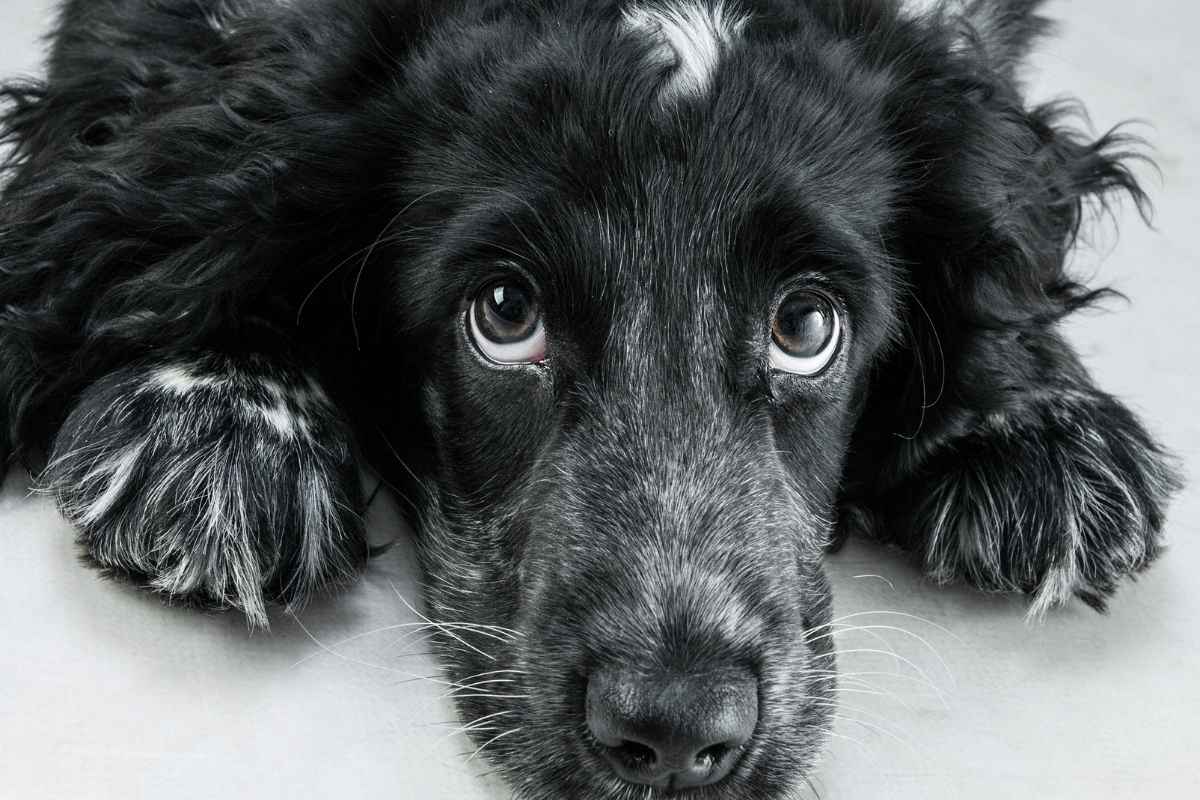
Many dog owners believe certain breeds will never trigger allergies or sneezing. However, confusion about so-called “hypoallergenic dogs” often leads to frustration. While some breeds shed less hair, that does not automatically mean they will stop sneezing, itching, or allergic reactions in people or pets.
Understanding the myths on hypo dogs is important because sneezing is not always caused by fur. In fact, the nose, throat, skin, and even the environment around your pet can play a role. This guide explains common misconceptions and clarifies what truly causes sneezing in dogs and households. If you’re a pet owner in Dwight, IL, this article will help you better understand your dog’s health and comfort.
First, What Does “Hypoallergenic” Really Mean?
The term “hypoallergenic” does not mean allergy-free. Instead, it refers to dogs that may produce fewer allergens. Dogs release allergens through:
- Saliva
- Dander (dead skin flakes)
- Urine
- Oil glands in the skin
When dogs lick their paws or coat, saliva dries on the hair and skin. Later, these microscopic particles travel into the air and reach human noses and eyes, triggering sneezes and watery eyes.
Therefore, allergies often come from the skin and mouth — not just the fur.
Busting 7 Common Myths on Hypo Dogs
Myth 1: Hypo Dogs Don’t Cause Allergies
Many people assume hypoallergenic dogs are completely safe for allergy sufferers. In reality, all dogs produce allergens because the skin constantly sheds dander.
Even breeds with curly coats still release proteins from the skin and saliva. Consequently, people may still experience itchy eyes, runny noses, and sneezing.
Truth: Hypoallergenic breeds may reduce symptoms but cannot eliminate them.
Myth 2: Sneezing Is Always Caused by Dog Hair
Hair alone rarely causes sneezing. Instead, proteins in saliva and skin flakes irritate sensitive noses.
For example, when a dog licks its coat, allergens spread onto furniture and clothing. Then, when disturbed, the particles become airborne and enter the sinuses.
Real cause: Dander and saliva — not the hair itself.
Myth 3: Short-Haired Dogs Are Better for Allergies
Some owners believe short coats equal fewer allergies. Unfortunately, coat length doesn’t matter much.
Short-haired dogs often shed more frequently. As a result, dander spreads quickly around the home and reaches the throat and airways.
Truth: Shedding frequency matters more than hair length.
Myth 4: Dog Sneezing Always Means a Cold
Dogs sneeze for many reasons besides illness. While infections can affect the respiratory tract, sneezing often happens due to environmental irritants.
Common triggers include:
- Dust
- Pollen
- Perfumes
- Cleaning sprays
- Smoke
These irritants enter the nasal passages and stimulate protective reflexes.
Reality: Sneezing is usually the body’s defense mechanism, not always a sickness.
Myth 5: Hypo Dogs Never Trigger Human Asthma
Even low-shedding breeds produce proteins that can irritate lungs and airways. Allergens may settle into carpets, couches, and bedding. Over time, they accumulate and cause breathing discomfort.
People with asthma may notice coughing, chest tightness, and wheezing — even around so-called hypo dogs.
Truth: Reduced shedding does not equal zero respiratory irritation.
Myth 6: Bathing Once in a While Prevents Sneezing
Occasional bathing helps, but irregular grooming allows oils and dander to build up on the skin. When pets shake their bodies, allergens are released into the air.
Routine grooming removes saliva residue and dead skin particles, protecting both pet owners and pets.
Best practice: Consistent grooming and cleaning the ears, paws, and coat can significantly reduce sneezing triggers.
Myth 7: Sneezing Means Your Dog Is Allergic to You
Interestingly, dogs can also have allergies — but not to humans. Instead, they react to environmental allergens like dust mites or grass.
Signs include:
- Paw licking
- Ear scratching
- Runny nose
- Watery eyes
In these cases, the immune system reacts through the skin and nasal passages.
Reality: Dogs sneeze due to environmental allergens, not human presence.
What Really Causes Dogs to Sneeze?
Now that we’ve clarified the myths on hypo dogs, let’s examine the real causes.
1. Environmental Allergens
Pollen, mold spores, and dust mites frequently irritate nasal tissues.
2. Nasal Irritation
Foreign particles like grass seeds or debris can enter the nostrils and trigger repeated sneezing.
3. Dental Problems
Surprisingly, tooth infections may affect the sinus cavities because tooth roots sit close to the nasal passages.
4. Respiratory Infections
Bacterial or viral infections can inflame the throat and nasal cavity.
5. Reverse Sneezing
This common condition causes rapid inhalation of snorts. It often looks alarming but is usually harmless.
How to Reduce Sneezing at Home
You can actively lower allergen exposure:
- Vacuum carpets frequently
- Wash pet bedding weekly
- Use air purifiers
- Groom your dog regularly
- Clean paws after outdoor walks
Additionally, maintaining indoor humidity helps protect nasal tissues from dryness.
When symptoms persist, a veterinary clinic can evaluate your dog’s respiratory health and allergies.
Understanding the myths about hypo dogs helps pet owners make better decisions and reduces unnecessary worry. Sneezing usually results from dander, environmental irritants, or nasal sensitivity rather than the dog’s fur alone. Proper grooming, cleaning routines, and timely medical care can greatly improve comfort for both pets and people.
If you are in Dwight, IL, and searching for a veterinarian near you, the team at Dwight Veterinary Clinic is ready to help. Schedule an appointment today so your pet can breathe easier and stay healthy.
FAQs
Q1. Are hypoallergenic dogs completely allergy-free?
Ans. No. All dogs produce allergens through saliva and skin, even low-shedding breeds.
Q2. Why does my dog sneeze after going outside?
Ans. Outdoor pollen and grass particles commonly irritate the nose and sinuses.
Q3. Can food cause sneezing?
Ans. Rarely. Food allergies usually affect the skin, causing itching rather than sneezing.
Q4. Should I worry about frequent sneezing?
Ans. If sneezing is constant, includes discharge, or affects breathing, seek professional care.
Q5. Do air purifiers help with dog allergies?
Ans. Yes. HEPA filters reduce airborne dander and improve indoor air quality.
Q6. When should I visit a veterinarian?
Ans. Visit when sneezing lasts more than a few days, worsens, or includes lethargy or appetite loss.