We Will Be Closed Saturday, Oct 17 (no DVM coverage), as well as Saturdays Oct 31 & Nov 14.


Watching your beloved dog undergo surgery can feel overwhelming. However, the journey to full recovery truly begins once your furry friend comes home. Proper post-operative care for dogs plays a crucial role in ensuring a smooth, complication-free healing process.
As a pet owner, you hold the power to make your dog’s recovery experience as comfortable as possible. From managing pain to monitoring incision sites, every action you take matters. Understanding what your dog needs during this vulnerable time helps prevent setbacks and promotes faster healing. Let’s explore how thoughtful aftercare makes all the difference.
Understanding What Post-Operative Care Involves
Post-operative care encompasses everything you do to support your dog after surgery. This includes rest management, wound monitoring, medication administration, and nutritional support.
Every surgical procedure requires specific aftercare protocols. Whether your dog had a routine spay or a complex orthopedic repair, following your veterinarian’s instructions precisely ensures optimal outcomes.
Additionally, creating a calm, safe environment helps reduce stress. Dogs sense our emotions, so staying relaxed around them promotes their emotional well-being during recovery.
Why Proper Recovery Matters After Surgery
Skipping or rushing through recovery steps often leads to complications. Infections, reopened incisions, and delayed healing are common consequences of inadequate aftercare.
Conversely, dogs receiving attentive post-surgery care typically heal faster. Their bodies can focus energy on tissue repair rather than fighting preventable problems.
Furthermore, proper recovery reduces long-term health risks. Dogs that heal correctly experience fewer chronic issues related to their surgical sites.
Key Elements of Effective Post-Surgery Care:
Rest and Activity Restriction
Your dog needs plenty of rest after any surgical procedure. Excessive movement can strain incisions and slow the healing process.
Create a quiet, comfortable space away from household activity. Use crates or small rooms to limit movement, especially during the first week.
Short, controlled bathroom breaks are typically allowed. However, always follow your veterinarian’s specific activity guidelines for your dog’s situation.
Wound Care and Monitoring
Check your dog’s incision site daily for signs of trouble. Look for excessive redness, swelling, discharge, or opening of the wound.
Keep the area clean and dry at all times. Avoid bathing your dog until your vet gives approval.
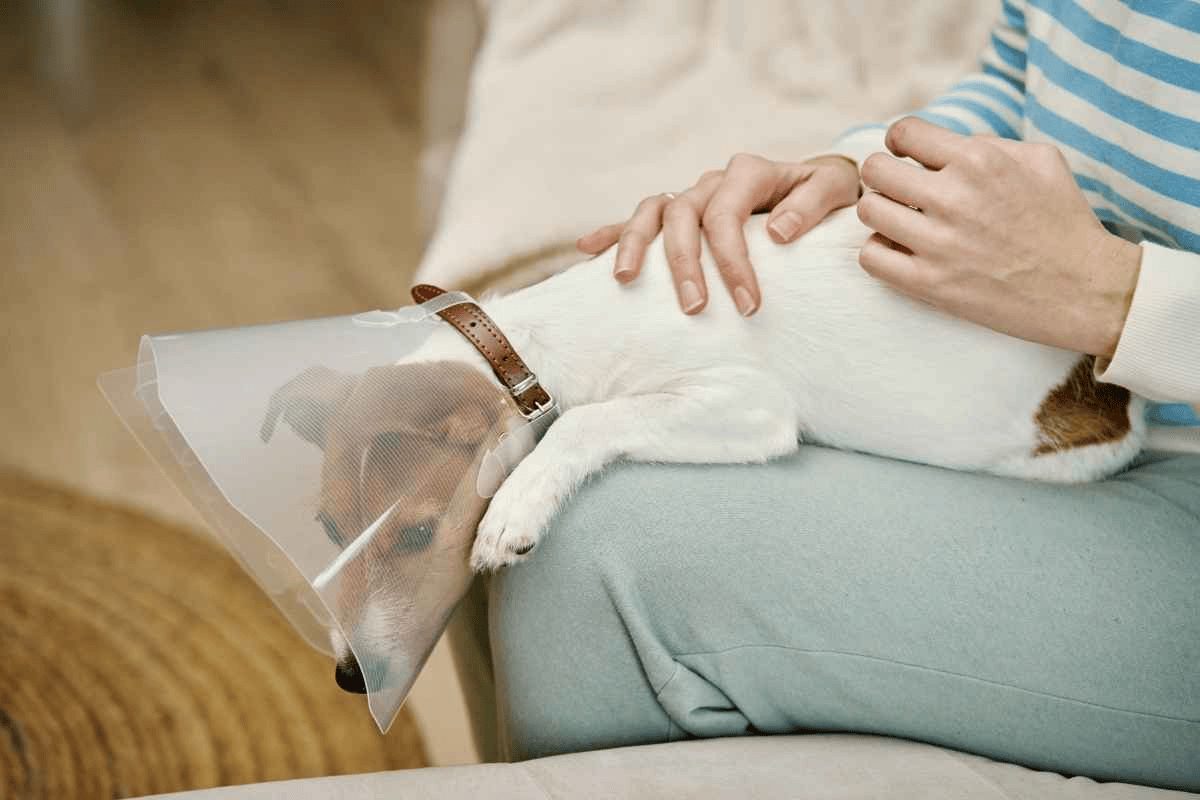
E-collars or recovery suits prevent licking and scratching. These protective tools are essential for maintaining incision integrity.
Pain Management
Dogs often hide pain instinctively. Therefore, administering prescribed medications on schedule is critical.
Never give human pain relievers to your dog. Many common medications are toxic to canines and can cause serious harm.
Watch for subtle pain indicators like whimpering, restlessness, or appetite changes. Report any concerns to your veterinarian promptly.
Nutrition and Hydration
Proper nutrition fuels the healing process. Offer small, easily digestible meals during the first few days post-surgery.
Fresh water should always be available. Some dogs experience reduced appetite initially, which is normal.
If your dog refuses food for more than 24 hours, contact your vet. Adequate nutrition is essential for tissue repair and immune function.
Signs Your Dog Is Healing Well
Healthy recovery includes gradual energy improvement and normal eating habits. Your dog should show interest in its surroundings without being hyperactive.
The incision site should look progressively better each day. Mild bruising is normal, but it should fade over time.
For specialized procedures, trusted professionals offering veterinary surgery dwight ensure you receive detailed recovery guidance tailored to your pet’s needs.
Warning Signs That Require Veterinary Attention
Certain symptoms indicate potential complications. Contact your vet immediately if you notice:
- Excessive bleeding from the incision site
- Foul-smelling discharge or pus
- Persistent vomiting or diarrhea
- Extreme lethargy lasting more than 48 hours
- Refusal to eat or drink beyond 24 hours
- Fever or unusual warmth around the wound
Early intervention prevents minor issues from becoming serious problems. Trust your instincts—you know your dog best.
Expert Tips for a Smooth Recovery
Follow these actionable strategies for optimal healing:
- Set medication reminders to maintain consistent dosing schedules.
- Prepare the recovery space before bringing your dog home.
- Keep other pets separated to prevent rough play.
- Document daily progress with photos of the incision site.
- Attend all follow-up appointments without exception.
At Dwight Veterinary Clinic, our team provides comprehensive post-operative support to guide you through every step of your dog’s recovery journey.
Frequently Asked Questions:
Q1: How long does it take for a dog to recover from surgery?
Ans: Recovery time varies based on the procedure type and your dog’s overall health. Most dogs show significant improvement within 10-14 days, though complete healing may take several weeks.
Q2: Can my dog climb stairs after surgery?
Ans: Generally, stair climbing should be avoided during initial recovery. Carry small dogs when possible, and use baby gates to restrict access for larger breeds until your vet approves activity.
Q3: Why won’t my dog eat after surgery?
Ans: Anesthesia and pain medications commonly cause temporary appetite loss. Offer bland, appetizing foods and contact your vet if eating doesn’t resume within 24 hours.
Q4: How do I stop my dog from licking the incision?
Ans: Use an Elizabethan collar (cone) or recovery suit consistently. Licking introduces bacteria and can reopen wounds, so prevention is essential.
Q5: When can I bathe my dog after surgery?
Ans: Wait until your veterinarian confirms the incision has fully healed, typically 10-14 days post-surgery. Moisture can promote infection and delay healing.
Q6: Is it normal for my dog to sleep more after surgery?
Ans: Yes, increased sleep is completely normal during recovery. Rest allows your dog’s body to focus energy on healing tissues and fighting potential infections.